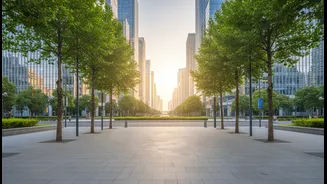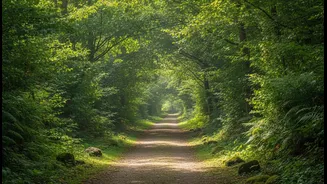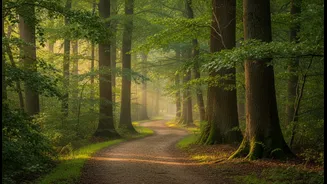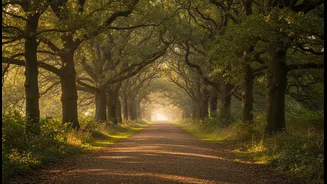







What Exactly is Green Exercise?
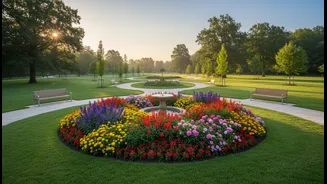
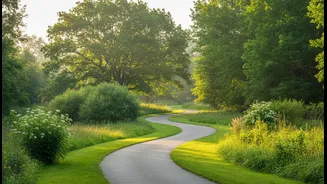
At its core, 'green exercise' is any physical activity performed in a natural environment. This isn't about extreme sports or remote wilderness treks. It can be as simple as a walk in a city park, a bike ride along a tree-lined path, gardening, or an outdoor
yoga class. The key is the combination of movement and nature. This concept is gaining traction because studies show it can amplify the benefits of a workout. Researchers have found that exercising outdoors can feel easier and more enjoyable than doing the same activity indoors, which can increase motivation and consistency.
The Science-Backed Benefits
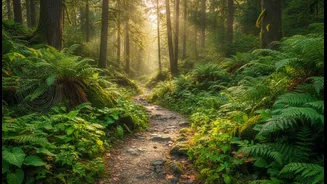
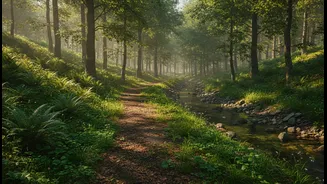
The dual power of green exercise delivers a potent boost to both mind and body. Mentally, exposure to natural environments is linked to significant reductions in stress, anxiety, and depression. Studies show that cortisol, the body's primary stress hormone, can decrease in natural settings. Even a short period of green exercise—as little as five to twenty minutes—can lead to measurable improvements in mood, self-esteem, and focus. Physically, the benefits of regular activity are well-established, including lower blood pressure and healthier blood sugar levels. Green exercise adds another layer. The varied terrain of a trail, for example, challenges balance and works different muscles than a flat treadmill, promoting better mobility and resilience.
It’s All About Quality
However, not all green spaces are created equal, and this is where the conversation shifts from personal wellness to public health. The benefits of green exercise are heavily dependent on the quality of the public space itself. A park that is poorly maintained, feels unsafe, or lacks accessible amenities like clean walking paths will not encourage activity. Research indicates that health benefits are more consistently observed in areas with greater tree canopy and well-maintained features. One study found that cleaner parks were associated with lower body mass index (BMI) among local adults. When public spaces are neglected, they fail to function as health assets and can even become sources of stress for a community, highlighting the gap between simply having a park and having a functional, inviting one.
A New Lens for Public Health
Recognizing this link, urban planners and public health officials are increasingly viewing parks and green spaces as critical health infrastructure, not just recreational amenities. Organizations like the World Health Organization and UN-Habitat advocate for well-planned green spaces as a strategy to improve community health outcomes. This perspective frames investment in parks as a direct investment in preventative healthcare. Well-designed green spaces encourage physical activity, foster social connections that reduce loneliness, improve air quality, and can even help mitigate the urban heat island effect, all of which have direct health implications. Some physicians have even begun issuing 'park prescriptions' to encourage patients to leverage these natural assets for their health.
Investing in Community Wellbeing
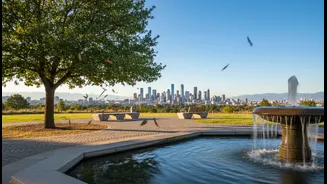
This shift in thinking has real-world consequences for how cities are built and maintained. It argues for prioritizing funding to create and upkeep safe, inclusive, and accessible green areas for everyone. Unfortunately, access to high-quality parks is often inequitable, with low-income neighborhoods and communities of color frequently having less access to green space. Addressing this involves more than just planting trees; it means engaging communities to design spaces that meet their needs, ensuring parks are clean and safe, and integrating green corridors into the urban fabric to connect neighborhoods. By viewing our public squares, riverfronts, and local parks through a health lens, we can start building communities that are not only more beautiful but fundamentally healthier for everyone who lives in them.