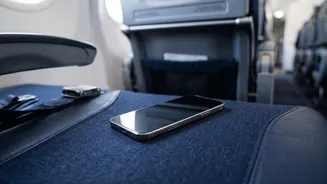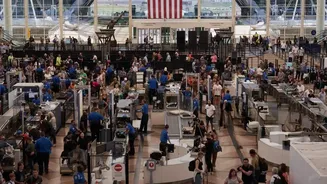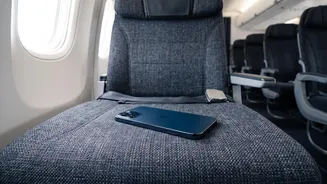








It’s a heart-sinking moment every traveller dreads: you’ve deplaned, cleared the aerobridge, and are halfway to baggage claim when you realise your headphones, book, or even a passport is still in the seat pocket. What do you do?
Why You Can't Just Turn Back
The first instinct is
to rush back to the aircraft, but this is strictly prohibited for security reasons. Once a passenger has deplaned and entered the terminal, re-entering the aircraft is not permitted. This isn't an airline employee being difficult; it's a firm security protocol enforced by airport authorities like the Central Industrial Security Force (CISF) and governed by aviation regulations. The aircraft is considered a secure zone, and once the arrival process begins, access is tightly controlled to prepare the plane for its next flight and to maintain security integrity. Cleaning crews and ground staff operate on a tight schedule, and allowing passengers back on board would disrupt these essential operations and create security vulnerabilities.
Act Immediately, But Stay Put
Even though you can't go back yourself, time is critical. If you are still near the arrival gate, immediately inform the airline's ground staff. They are your best and only chance for a swift recovery. Provide them with your flight number, seat number, and a clear description of the forgotten item. The ground staff can then contact the cabin crew or the team assigned to clean and search the aircraft before it's cleared for its next departure. Often, they can retrieve the item and bring it out to you at the gate area or direct you to a specific collection point within the terminal.
What If You’ve Already Left the Airport?
If you only realise your mistake after reaching home or your hotel, don't panic. The recovery process just shifts from the gate to a formal lost and found procedure. Most airlines, including major Indian carriers, have dedicated 'Lost and Found' portals on their websites. You will need to file a detailed report online. Be prepared to provide the following information to make the search as effective as possible: your full name, flight number, date of travel, seat number, and a very specific description of the item (brand, colour, size, any unique marks). The more detail you provide, the higher the chance of a successful match. This process applies to items left on the plane; if you lost something in the terminal, you'll need to contact the airport's own lost and found department.
The Official Lost & Found Process
Once an item is found on an aircraft by the cleaning crew, it is logged and handed over to the airline's baggage services or ground handling department at the arrival airport. These items are typically held for a specific period, often ranging from 30 to 90 days, depending on the airline and the nature of the item. After you file a report, the airline will attempt to match your description with items in their inventory. If a match is found, they will contact you with instructions for collection. Indian airports generally do not courier items; you must either collect the item in person or authorise someone to do so on your behalf by providing them with an authorisation letter and a copy of your ID and boarding pass.
Prevention Is the Best Strategy
The easiest way to avoid this stressful situation is to build a habit of checking your surroundings before you deplane. Before standing up, consciously check the seat-back pocket, the area around and under your seat, and the overhead bin. A good tip is to place a brightly coloured tag or ribbon on essential items like chargers or small bags to make them more visible. It's also wise to keep all critical documents like passports, wallets, and phones in a single, secure bag that you keep on your person, rather than loose in a pocket or a larger carry-on that goes in the overhead bin.