




The End of the Checklist Era
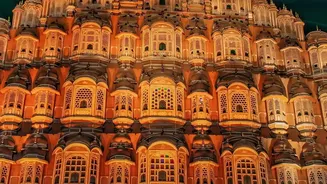
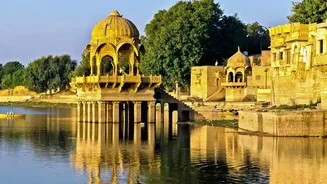
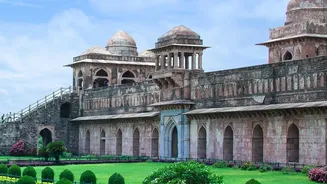
For decades, the quintessential Indian vacation was a mission in accumulation. It was about ‘doing’ a destination—ticking off every fort, palace, and viewpoint from a pre-set list. Success was measured by how many places you could cover. The goal was often
a photo album filled with proof of presence, but the experiences themselves could feel rushed and superficial. You’d return home more tired than when you left, with a collection of photos but few lasting memories. This style of travel, focused on seeing rather than feeling, treated destinations like items on a shopping list.
The Search for Deeper Connection
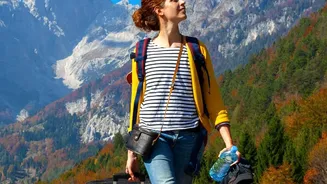
Today, a significant shift is underway. Travellers are increasingly trading breadth for depth. The new philosophy is simple: stay longer in one place, connect with the local culture, and prioritise genuine experiences. This is ‘slow travel’. It’s not about moving at a snail’s pace, but about choosing to immerse yourself in a single destination—be it a quiet Himalayan village, a coastal town in Kerala, or a tea estate in Assam. It’s about swapping a rushed agenda for spontaneous discoveries, like conversations at a local chai stall or an unplanned walk through a spice plantation.
What's Driving the Change?
Several factors are fuelling this evolution. The post-pandemic world has left many with a renewed appreciation for rest and a desire to escape urban burnout. In fact, a 2024 survey found that 70% of Indian Gen Zs reported feeling exhausted. Relaxation is now a primary travel motivator for many. Furthermore, the rise of remote and hybrid work means professionals are no longer tethered to an office, making longer 'workations' possible. This flexibility allows travellers to settle into a place and establish a routine, blurring the lines between work, life, and vacation. For younger generations, travel is also becoming an expression of identity, favouring authentic self-discovery over performative sightseeing.
From Tourist to Temporary Local
So, what does slow travel look like in practice? It means staying in homestays and villas instead of large hotels, with searches for such accommodations surging in recent years. It involves participating in local activities—taking a cooking class, learning a craft from an artisan, or simply observing daily life in a market. The focus shifts from a transactional relationship with a destination to a more meaningful, participatory one. You're not just a visitor; for a short while, you become part of the community's rhythm. This approach also aligns with a growing interest in sustainable tourism, as longer stays reduce the carbon footprint of travel and ensure more money is spent directly within local economies.
The New Holiday Map
This trend is reshaping India's tourism map. While major cities will always have their appeal, it's the quieter, offbeat destinations that are seeing a massive surge in interest. Flight searches for places like Jorhat in Assam have skyrocketed, while Himalayan destinations like Dharamshala and Rishikesh are attracting those seeking wellness and nature. The backwaters of Kerala, the French Quarter of Pondicherry, the high-altitude deserts of Spiti Valley, and the serene tea regions of Munnar and Coonoor are all becoming hotspots for this new, deliberate style of travel. These are places that reward patience and invite travellers to simply be, rather than to constantly do.