








On the Rails: Packing for a Safe Journey
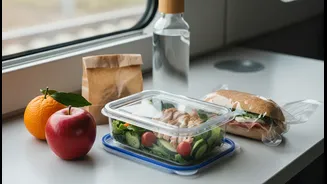
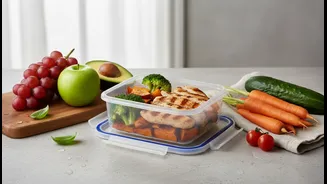
A long train ride is a classic Indian experience, but it requires smart food planning. The key is to pack items that are low-risk and can withstand the journey without refrigeration. Focus on dry, non-perishable snacks. Items like theplas, khakhra, mathri,
roasted chana, nuts, and dry fruit laddoos are excellent choices because they have low moisture content and a long shelf life. When packing homemade meals like parathas or dry sabzi, use airtight containers to prevent contamination and leaks. It's best to consume foods with onions or wet gravies early in the journey, as they spoil faster. Always pack sealed bottled water from a trusted brand and avoid refilling from unknown sources at stations. Hot beverages like tea or coffee are generally safe as the water is boiled.
Station Stops and Pantry Car Pointers
When hunger strikes mid-journey, you might be tempted by station vendors or the pantry car. While convenient, caution is crucial. If buying from a station, choose vendors that are busy, as high turnover often means fresher food. Opt for freshly cooked, hot meals, as the heat helps kill most harmful bacteria. Deep-fried snacks like samosas or pakoras, cooked at high temperatures, are generally safer than food that has been sitting out. Be wary of pre-cut fruits and raw salads, which may have been washed with contaminated water. Some major stations are now FSSAI-certified as 'Eat Right Stations', indicating higher hygiene standards, making them a more reliable choice for a meal break. If using the train's pantry or e-catering services, inspect the packaging carefully for any signs of tampering before accepting your meal.
App Orders: Decoding the Digital Menu
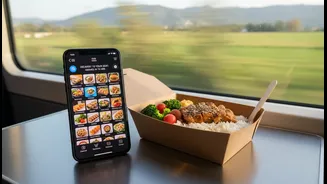
Food delivery apps like Zomato and Swiggy offer endless choice, but also a new set of safety considerations. Before placing an order, investigate the restaurant's reputation. Look beyond the star rating and read recent reviews, paying close attention to comments about hygiene, freshness, and delivery experiences. Both Zomato and Swiggy display hygiene ratings for many partner restaurants. These ratings, often based on third-party audits, provide a snapshot of the kitchen's cleanliness and food handling practices. A rating of four or five indicates high standards, while a rating of one or two suggests it's best to avoid.
Making Safer Choices on Food Apps
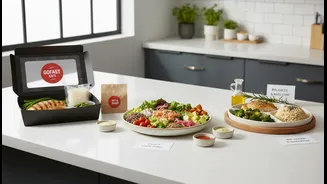
The Food Safety and Standards Authority of India (FSSAI) mandates that all online food businesses must have an FSSAI license, which should be displayed on the platform. This ensures a baseline of regulatory compliance. When choosing your meal, opt for dishes that are thoroughly cooked. Items like biryanis, well-cooked curries, and tandoori preparations are generally safer than those containing raw or minimally processed ingredients, such as certain chutneys or salads, especially if you are unsure of the restaurant's standards. The FSSAI also has guidelines regarding shelf life, requiring products sold online to have a significant portion of their shelf life remaining upon delivery to ensure freshness. Upon arrival, give your food a quick inspection. Check that the packaging is secure and tamper-proof. If anything seems off, it is better to be safe and report it.
Universal Food Safety Habits
Whether you are on a train or at home, some habits are universally crucial for avoiding foodborne illnesses. The most important is hand hygiene. Always wash your hands with soap and water before eating. If that’s not possible, a hand sanitiser with at least 60% alcohol is a good backup. Be mindful of the 'two-hour rule' for perishable foods like cooked rice or dairy-based dishes; they can develop harmful bacteria like Bacillus cereus if left at room temperature for too long. Always refrigerate leftovers promptly. Finally, stay hydrated, but stick to safe sources. Especially during travel, dehydration can exacerbate the effects of any mild stomach upset.