





The Great Indian Travel Shift
According to Agoda's 2027 Asia Travel Pulse report, a remarkable 55% of Indian travellers say they are likely to visit a lesser-known destination in the coming year. This figure is substantially higher than the Asian average of 36%, positioning Indians
as the most adventurous travellers in the region when it comes to exploring new frontiers. The survey, conducted across 11 Asian markets with over 3,300 respondents, points to a clear and growing desire to escape the crowds and discover unique experiences. This isn't just a fleeting idea; it's a conscious move away from over-commercialised tourism and towards more meaningful journeys.
Why We're Avoiding the Crowds
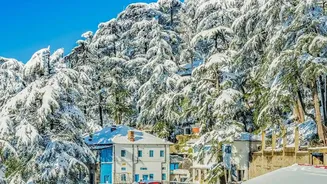
This trend is driven by several factors, chief among them being a reaction to overtourism. Popular destinations like Goa, Manali, and Shimla have faced immense pressure from high visitor numbers, leading to environmental strain, traffic congestion, and a diluted local experience. Indian travellers are now actively seeking tranquility and authenticity. The top reasons cited for choosing these secondary destinations are the promise of unique cultural experiences, lower costs, and, crucially, fewer crowds. There is a growing weariness with 'Instagrammable' spots that are overrun and a rising desire for genuine connection with a place and its culture.
Adventure and Purpose Take the Lead
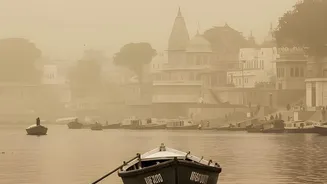
The search for offbeat locations is coupled with a strong desire for specific kinds of experiences. The Agoda report highlights that 42% of Indian travellers are motivated by outdoor adventure, placing India high on the list for adventure-led trips. This is reflected in accommodation search data, which shows a sharp rise in interest for mountain destinations like Leh, Kasol, and McLeod Ganj. Furthermore, spiritual journeys are a uniquely powerful driver for Indians, with 14% citing it as a reason to travel—three and a half times the Asian average. This has led to huge search increases for places like Pushkar (up 195%) and Prayagraj (up 233%).
India's Uncharted Territories
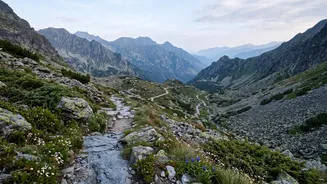
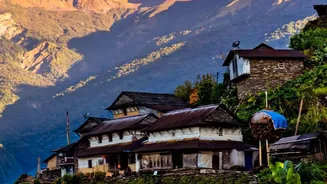
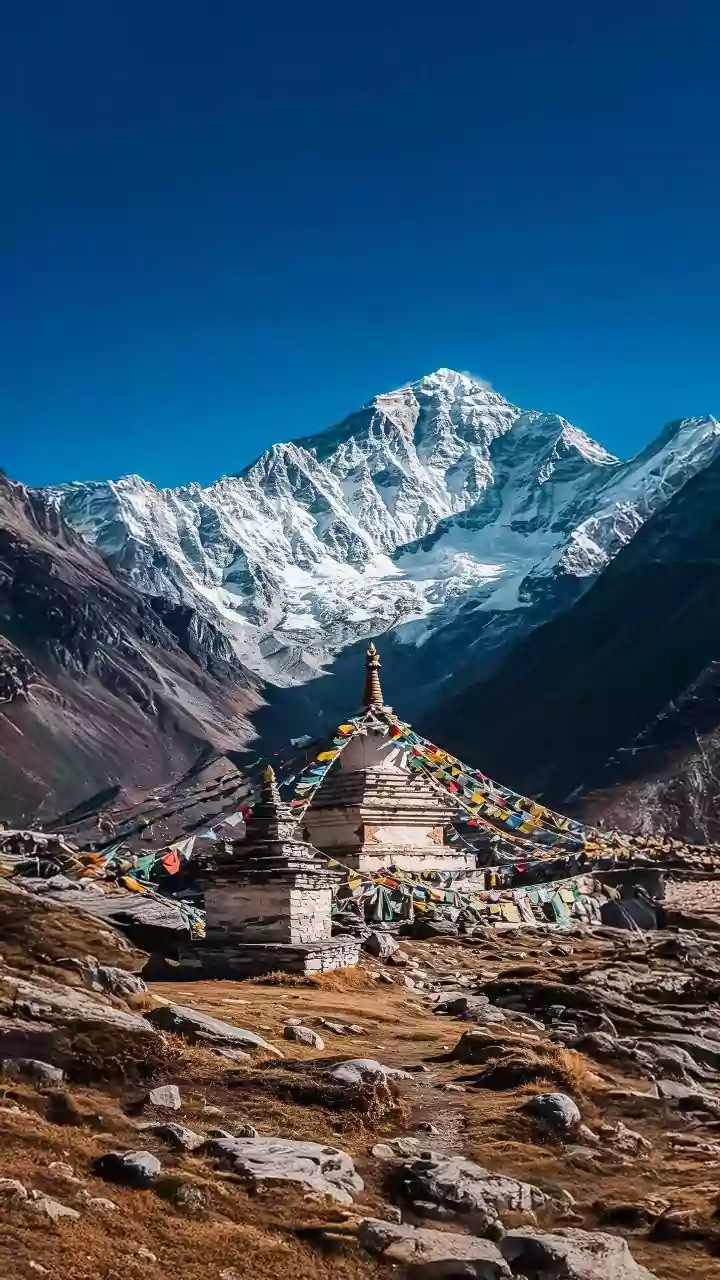
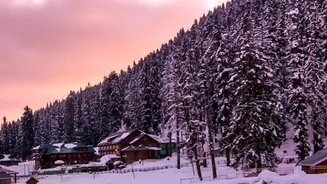
So, where are these travellers headed? The options are as diverse as India itself. In the north, hidden gems like the Gurez Valley in Kashmir and the Spiti Valley in Himachal Pradesh offer raw, untouched Himalayan beauty. In the Northeast, Majuli in Assam, the world's largest river island, provides a deep dive into Neo-Vaishnavite culture, while Ziro Valley in Arunachal Pradesh is famous for its serene landscapes and the unique Apatani tribe. Down south, the quiet beaches of Gokarna in Karnataka offer a peaceful alternative to Goa, and the misty hills of Vagamon in Kerala remain a tranquil escape. These places promise not just a holiday, but an exploration.
The Future of Indian Travel
This shift towards lesser-known destinations has significant implications. On one hand, it can foster a more sustainable tourism model by distributing tourist traffic and revenue more evenly across the country. It provides an economic boost to rural areas and encourages the preservation of local cultures. On the other hand, it also presents a challenge: ensuring these newly discovered gems do not suffer the same fate as the overcrowded hotspots they are replacing. Responsible travel, community-led tourism initiatives, and better infrastructure will be key to managing this new wave of exploration. The trend shows that Indian travellers are not just seeking a new place, but a new way to travel.