





The Myth: A Natural, Universal Cure for Hair Loss
The marketing narrative is powerful and appealing. It suggests that applying natural oils to the scalp can awaken dormant hair follicles, stop shedding in its tracks, and restore a full, thick head of hair. This taps into a desire for natural wellness
solutions and the long history of hair oiling in cultures like Ayurveda. The idea is that these oils provide essential nutrients directly to the source, solving the problem without harsh chemicals. Influencers and brands often present hair oiling not just as a conditioning treatment, but as a primary solution for hair loss, including genetic conditions like male or female pattern baldness. This creates the expectation that consistent oiling alone can reverse significant thinning.
The Reality: Great for Hair Health, Not for Hair Regrowth
Dermatologists and trichologists are clear: hair oils are excellent for hair and scalp health, but they are not a medical treatment for hair loss. Their primary, proven benefits are conditioning and protection. Oils like coconut can penetrate the hair shaft, reducing protein loss and preventing breakage. They form a protective barrier that seals in moisture, reduces frizz, and adds shine. A healthy, moisturised scalp is a better environment for hair growth, and some oils can help soothe dryness and reduce dandruff. The massage action used during application also improves blood circulation to the scalp, which is beneficial. However, these benefits are about maintaining the hair you already have and improving its appearance. They do not address the underlying biological causes of most hair thinning, such as genetics and hormones.
The Special Case: What About Rosemary Oil?
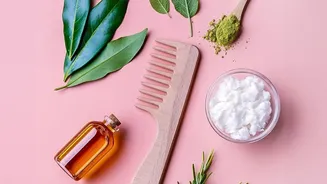
Rosemary oil is the one exception that has generated significant scientific interest. The excitement stems from a 2015 study that compared rosemary oil to a 2% minoxidil solution (the weaker strength of the popular hair loss drug) for treating androgenetic alopecia, or pattern baldness. After six months, the study found that both groups showed a significant increase in hair count, with no statistical difference between them. The rosemary oil group also reported less scalp itching. This is a promising result. However, experts urge caution. It was one small study of 100 people and it has not been replicated on a large scale. It also compared rosemary oil to the less potent 2% minoxidil, not the 5% strength more commonly used today. Therefore, while rosemary oil is considered the most evidence-backed natural option for hair thinning, it is not a proven replacement for FDA-approved treatments.
The Limits: Why Oils Can't Reverse Pattern Baldness
The most common cause of progressive hair thinning is androgenetic alopecia. This is a genetic condition where hair follicles become sensitive to a hormone called DHT (dihydrotestosterone), causing them to shrink and eventually stop producing hair. No topical oil can change your genetic predisposition or permanently block the effects of DHT in a way that reverses this process. If a hair follicle has become miniaturised or inactive, oiling the scalp cannot reactivate it. Similarly, hair loss caused by other medical issues—such as thyroid problems, nutritional deficiencies, or autoimmune conditions—requires medical diagnosis and treatment. Simply applying oil will not address the root cause of the shedding.
The Real Solutions: When to See a Professional
If you are experiencing noticeable hair thinning, bald patches, or a receding hairline, the most effective step is to consult a dermatologist. They can properly diagnose the cause of your hair loss and recommend proven treatments. Medically-backed options for androgenetic alopecia include FDA-approved treatments like minoxidil (Rogaine) and finasteride (Propecia). Minoxidil is a topical treatment that works by improving blood flow and extending the hair's growth phase, while finasteride is an oral medication that works by blocking the conversion of testosterone to DHT. Other professional procedures include platelet-rich plasma (PRP) therapy and hair transplantation. These treatments have undergone extensive clinical trials and have a much higher success rate for regrowing hair than any oil.