




The Hero of the Vrat Pantry
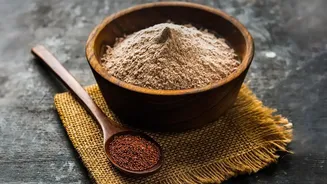
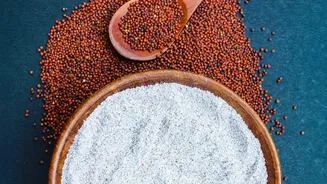
Singhara atta, or water chestnut flour, is a staple in Indian kitchens, especially during religious fasting periods like Sawan and Navratri. Despite its name, the water chestnut is not a nut but an aquatic tuber vegetable that grows in marshes. The flour is made
by drying and grinding these tubers into a fine, naturally gluten-free powder. During Sawan, when grains like wheat and rice are typically avoided, singhara atta provides a permitted and versatile base for a wide array of dishes, from puris and cheelas to halwa. Its ability to create familiar textures makes fasting feel less like a restriction and more like a culinary tradition in its own right.
Why Is It a Fasting Favourite?
The rules of Sawan fasting are centred on consuming 'sattvic' or pure foods that are light on the body and calming for the mind. Traditional grains are often avoided as they can be heavy to digest. Singhara atta is considered a permitted food because it is derived from a fruit (the water chestnut), not a cereal grain. According to Ayurveda, it also has cooling (shita) properties, which helps balance the body's digestive fire, or 'agni', which is believed to be weaker during the monsoon season when Sawan falls. This makes it easy to digest and helps maintain energy levels without causing sluggishness, aligning perfectly with the spiritual and physical goals of fasting.
A Nutritional Powerhouse
Beyond its role in religious observance, singhara atta is packed with nutritional benefits. It is a fantastic gluten-free alternative for anyone with celiac disease or gluten sensitivity. The flour is rich in fibre, which aids digestion and promotes a feeling of fullness, making it beneficial for weight management. It is also a good source of essential minerals like potassium, which helps in regulating blood pressure and balancing water retention in the body. Low in fat and cholesterol-free, it provides complex carbohydrates that offer a steady release of energy, crucial for staying active and focused during a fast.
Classic Vrat Recipes Made Easy
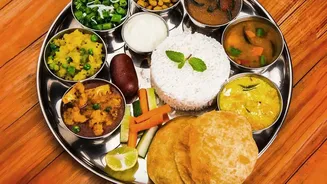
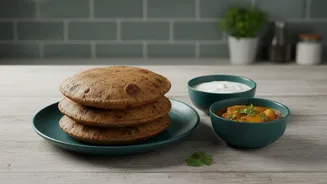
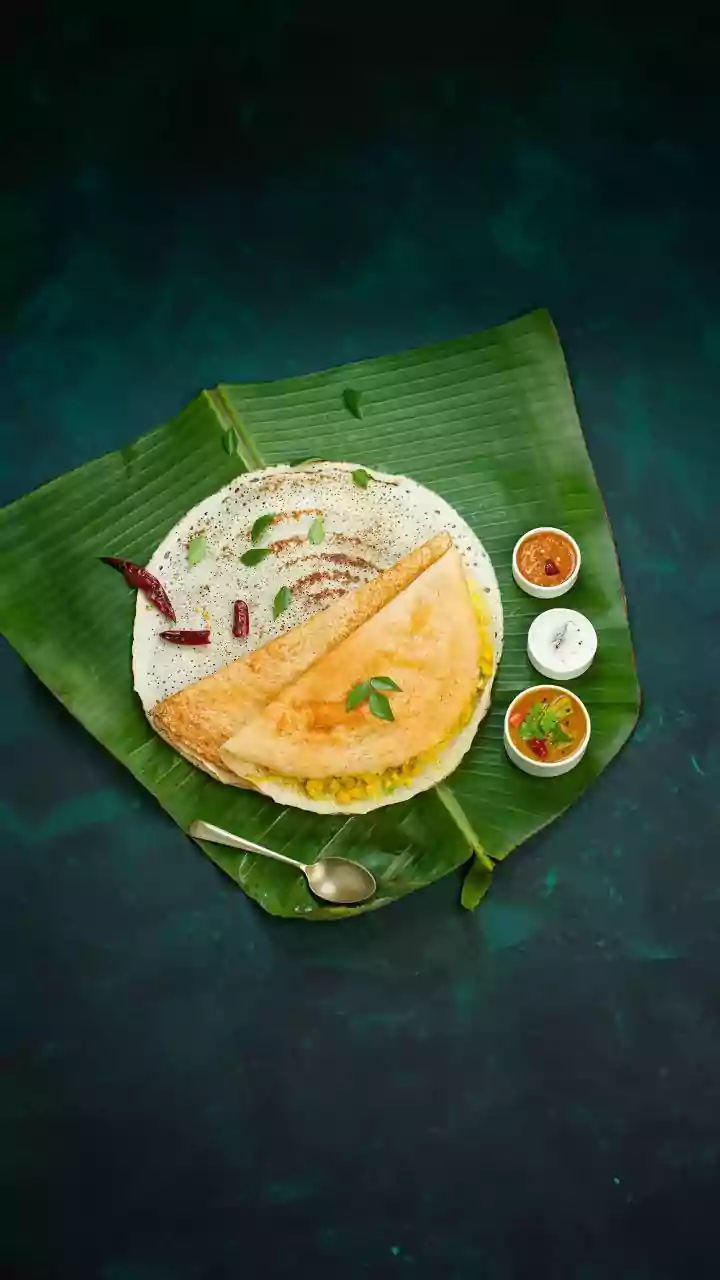
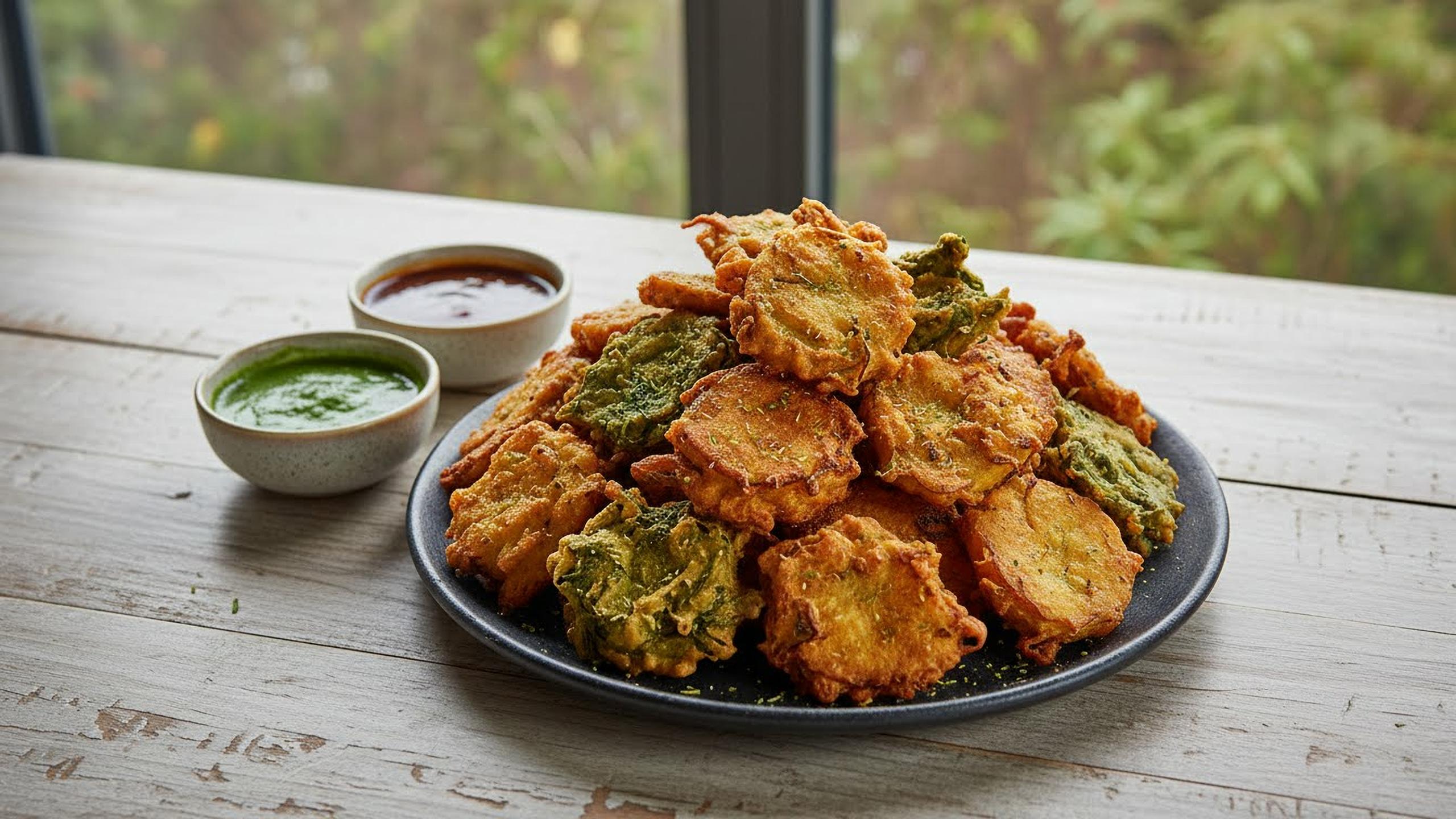
Singhara atta's mild, slightly nutty flavour lends itself well to both savoury and sweet preparations. One of the most popular uses is for making Singhare ki Puri, where the flour is mixed with mashed potatoes and spices like cumin and green chilli before being deep-fried into fluffy breads. Another favourite is a simple cheela or pancake, made from a spiced batter of the flour, which can be cooked on a tawa until crisp. For those with a sweet tooth, Singhare ka Halwa is a comforting dessert made by roasting the flour in ghee and cooking it with sugar and milk until it becomes rich and glossy. The flour can even be used to make vrat-friendly samosas, mathris, and barfis.
Tips for Perfect Preparations
Cooking with singhara atta can be a little different from using regular wheat flour. Since it is gluten-free, it doesn't form an elastic dough. When making puris or rotis, boiled and mashed potatoes act as an excellent binding agent, helping to create a pliable dough that’s easy to roll out. For batters, like for a cheela, it's best to mix the flour with water gradually to avoid lumps and achieve a smooth, pouring consistency. When preparing halwa, remember to roast the flour on a low to medium flame until it turns light brown and aromatic. This step is crucial for developing a deep, nutty flavour and ensuring the final dish isn't pasty. With these simple tips, you can master the art of cooking with this versatile fasting flour.