



Start at the Source: Inspect the Packaging
Your first check happens before you even open the paneer. When buying packaged paneer, always start with the manufacturing and expiry dates. Look for a valid FSSAI license number, which is a mark of compliance with food safety standards. The packaging
itself offers clues; avoid any packets that are puffed up, bloated, or have any tears or leaks. A swollen package can indicate gas produced by bacterial contamination, signaling that the paneer has already started to spoil. The block should be kept under proper refrigeration in the store. If it’s left at room temperature, the risk of bacterial growth increases significantly, regardless of the expiry date. A clean, well-sealed, and properly stored package is your first line of defense.
Trust Your Senses: The Smell Test
One of the most reliable indicators of freshness is smell. Fresh, good-quality paneer should have a mild, pleasant, and slightly milky aroma. If you open the package and are met with a sour, pungent, or chemical-like smell, it’s a major red flag. A sour smell typically means the paneer is old and has started to ferment, while a chemical odour could point to the presence of preservatives like formalin, a dangerous additive. Some adulterated paneer may have no smell at all, which is also suspicious. Real paneer made from milk will always have a faint, natural dairy scent. If your nose tells you something is off, it’s best to trust that instinct and discard the product immediately.
Feel and Appearance: Texture and Colour Clues
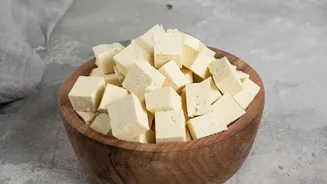
The look and feel of paneer are critical in judging its quality. Fresh paneer has an off-white or creamy white colour. Paneer that is stark white might have been treated with bleaching agents, whereas a yellowish tint could indicate it's old. When it comes to texture, pure paneer should be soft and spongy, holding its shape when cut but crumbling slightly when mashed. If the paneer feels hard, rubbery, or overly chewy, it may be adulterated with starch or other binding agents. A slimy surface is another clear sign of bacterial growth and spoilage. Gently press a piece; if it feels unnaturally smooth or bounces back like rubber, it's likely not the real deal.
Simple Home Tests for Adulteration
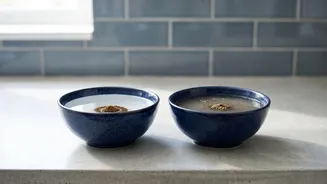
Beyond sensory checks, a few simple tests at home can reveal hidden adulterants. The most common is the iodine test for starch. Boil a small piece of paneer in water, let it cool, and then add a drop or two of iodine solution. If the paneer turns blue or black, it confirms the presence of starch, which is used to add bulk. Another method is the water test; place a cube of paneer in lukewarm water. Pure paneer will absorb some water and become softer, while paneer made with synthetic milk or detergent will often dissolve and make the water cloudy. Adulterants like urea and detergents are sometimes used to create fake paneer, posing serious health risks.
Taste: The Final, Cautious Check
Taste should be your last resort, used only if all other checks have passed but you still have doubts. Fresh, pure paneer has a mild, milky, and slightly sweet flavour. If you take a tiny bite and it tastes sour, bitter, or soapy, spit it out immediately. A sour taste indicates it's spoiled, while a chemical or soapy aftertaste is a clear sign of adulteration with harmful substances. Consuming even a small amount of spoiled or adulterated paneer can lead to digestive issues, food poisoning, and, with long-term exposure to chemicals, more severe health problems like liver and kidney damage.