


Start with Sunlight Assessment
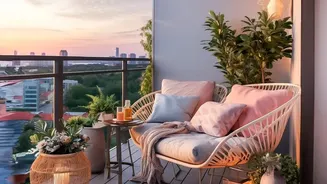
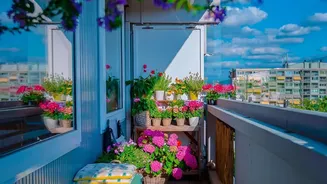
Before buying a single plant or pot, the most crucial first step is to observe the light in your chosen space. A spot that seems bright to the eye might only get a couple of hours of direct sun. For most flowering plants, you'll need at least four to six
hours of sunlight. Take a day to notice how the sun moves across your balcony or windowsill. A south-facing balcony will get strong, all-day sun, making it ideal for sun-lovers like bougainvillea and hibiscus. A west-facing spot might get harsh afternoon heat, while an east-facing one gets gentler morning light. Matching your plant to your available light is the single most important decision for success.
Choose the Right Plants
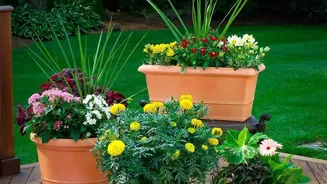
Not all flowering plants are created equal, especially when it comes to thriving in Indian climates and in containers. For beginners, it's best to start with hardy, low-maintenance options. Marigolds (Genda) are a fantastic choice, being easy to grow and culturally significant. Bougainvillea is another brilliant, sun-loving plant that adds a burst of colour and is very forgiving. Other great options for pots include Petunias for their variety of colours, fragrant Mogra (Jasmine Sambac), and the ever-reliable Hibiscus. These plants are well-adapted to Indian weather and perform well in pots with basic care.
Select the Perfect Pot
The container you choose is more than just a home for your plant; it's a critical part of its ecosystem. The most common mistake beginners make is choosing a pot that's too small or one without proper drainage. A small pot restricts root growth and dries out very quickly, especially on a hot day. As a general rule, a pot between 10 to 12 inches is a good starting point for most annual flowers. Always, without exception, ensure your pot has drainage holes at the bottom. Without them, water will collect and lead to root rot, which is a common cause of plant failure.
Create a Quality Potting Mix
It might be tempting to just scoop some soil from a nearby park, but this is another classic beginner error. Garden soil is too dense for containers; it compacts easily, preventing air and water from reaching the roots. What you need is a 'potting mix'. You can buy ready-to-use potting mixes online or from a local nursery. These are specially formulated blends, often containing cocopeat, compost or vermicompost, and sometimes perlite. This combination holds moisture without becoming waterlogged, provides essential nutrients, and stays light and airy, giving roots the perfect environment to grow strong.
Master the Art of Watering
Inconsistent watering—either too much or too little—is a major challenge for container gardeners. Pots on a sunny, windy balcony can dry out in a single afternoon. Instead of watering on a strict schedule, like every morning, learn to check the soil. The best rule of thumb is to water when the top one to two inches of the soil feels dry to the touch. When you do water, do it thoroughly until you see water running out of the drainage holes. This ensures the entire root ball is hydrated. Watering early in the morning is generally best, as it allows the plant to absorb moisture before the heat of the day.
Feed Your Flowers for More Blooms
Plants in pots have limited access to nutrients. The nutrients in the potting mix will eventually be used up by the growing plant. To keep your flowers blooming profusely, you'll need to provide them with food. A balanced liquid fertilizer, used every few weeks during the growing season, is an easy way for beginners to start. Follow the instructions on the package for the correct dilution. Alternatively, you can mix in a slow-release granular fertilizer into the potting mix when you first plant, which will feed your plants over several months. You can also supplement with organic options like vermicompost every month.