


The Philosophy: Structure and Speed
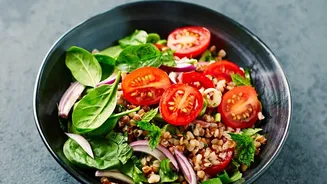
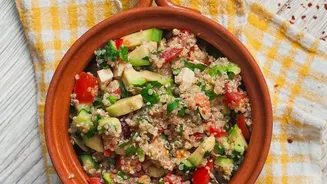
The key to a perfect lunchbox salad is less about a specific recipe and more about architecture. A good make-ahead salad that comes together in 15 minutes relies on three core principles: using sturdy ingredients, keeping wet and dry components separate
until the last moment, and strategic layering. Most of the prep time is in the quick chopping of fresh ingredients, with minimal to no cooking required. By focusing on ingredients that hold their texture and flavour, you can assemble a vibrant meal that tastes like it was made moments before you eat it, not hours.
Build a Resilient Base
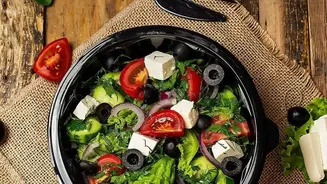
The foundation of a durable salad is its greens. Delicate lettuces like butterhead or spring mix are prone to wilting almost immediately. For a salad that lasts, opt for heartier varieties. Greens like romaine, kale, cabbage, and Swiss chard have the structural integrity to stay crisp for hours. Romaine and cabbage offer a satisfying crunch, while kale can even benefit from sitting in dressing, becoming more tender and flavourful over time. A good practice is to wash and thoroughly dry your greens in advance; a salad spinner is your best friend here, as excess moisture is the number one cause of sogginess.
Power Up with Quick Proteins
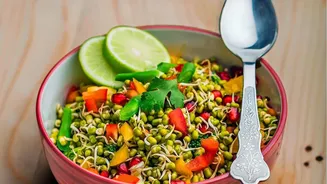
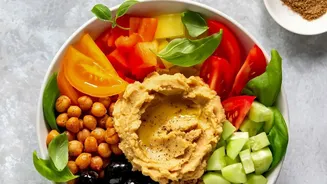
To turn a light salad into a substantial meal that keeps you full, protein is non-negotiable. For a 15-minute timeframe, focus on no-cook or pre-cooked options. Canned goods are a pantry powerhouse; think tuna, salmon, chickpeas, or white beans. A batch of hard-boiled eggs made over the weekend can be chopped and added in seconds for a classic boost. Leftover rotisserie chicken or pre-grilled chicken strips are also excellent time-savers. For plant-based options, edamame, lentils, or a scoop of hummus can add both protein and satisfying texture.
Add Colour, Crunch, and Flavour
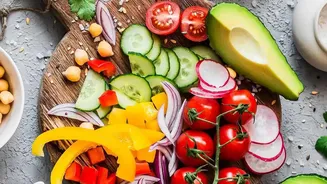
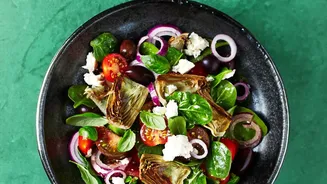
This is where you can get creative. The goal is to add texture and nutrients without adding excess moisture. Focus on vegetables that hold up well after being chopped. Bell peppers, carrots, cucumbers (especially English varieties with fewer seeds), red onions, and broccoli florets are all fantastic choices. Cherry tomatoes are great, but consider packing them in a separate compartment if you're worried about their juices softening other ingredients. For extra crunch and healthy fats, add a small container of nuts, seeds, or crispy croutons to be sprinkled on just before serving.
The Golden Rule of Dressing
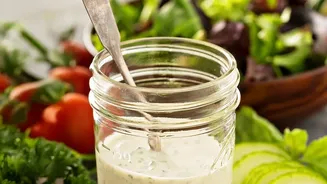
Never, ever dress your salad until you are ready to eat it. This is the single most important rule for avoiding a soggy lunch. Dressing is what wilts leaves and breaks down crisp vegetables. A simple vinaigrette can be shaken up in a small jar in under a minute. A great base recipe is one part vinegar (like apple cider or red wine) to three parts olive oil, with a teaspoon of Dijon mustard to help it emulsify, plus salt and pepper. You can make a batch for the week or simply pack your ingredients in a small, leak-proof container to take with you.
Assembling Your Masterpiece
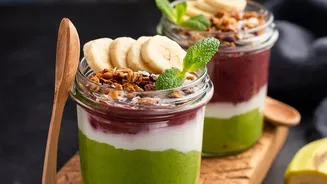
Proper packing is the final step. If using a single large container, strategic layering is key. Start with the dressing on the very bottom. Next, add your heartiest ingredients like chickpeas, chopped carrots, or bell peppers. Follow that with other proteins and grains. Finally, top it all off with your delicate greens and any crunchy toppings like nuts or seeds. This keeps the greens elevated from the moisture. Alternatively, use a bento-style box with multiple compartments to keep everything separate until lunchtime. When you’re ready to eat, just shake it all up or combine and enjoy.