




From Niche Fuel to Mainstream Staple
What was once a specialized supplement for athletes is now a mainstream wellness ingredient. This shift marks a significant transformation in India's nutritional landscape. Driven by rising health awareness and a growing focus on preventive wellness,
protein is being embraced by a much wider audience. The market is seeing explosive growth, with projections indicating it could expand from around $4.7 billion in 2025 to over $17 billion by 2034. This isn't just about selling more protein powder; it's about integrating protein into daily life as a fundamental component of nutrition. The conversation has moved from muscle building alone to encompass weight management, active aging, and overall well-being.
The New Faces of Protein Consumption
The demographic for protein is no longer limited to fitness enthusiasts. Today, the new consumers are busy working professionals, health-conscious families, women, and seniors. This expansion is fuelled by a desire for convenient and functional foods that support a healthy lifestyle. A recent report highlighted this trend, revealing that a staggering 86% of Indians now prioritize protein when choosing their snacks. Furthermore, nearly a third of consumers are willing to pay a premium for these protein-rich products, signaling a deep-seated change in purchasing habits. The market is fragmenting to meet these diverse needs, with brands offering products tailored for everyday nutrition and holistic wellness, not just sports performance.
Beyond the Shaker Bottle
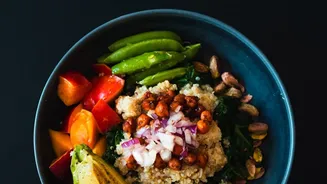
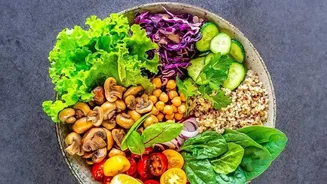
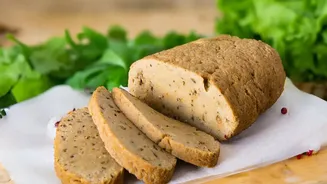
As the consumer base has broadened, so have the product formats. While powders remain popular, the real growth is happening in the food aisles. Brands are embedding protein into a vast array of everyday products, making it more accessible and convenient than ever before. Consumers can now find protein-fortified snacks, biscuits, breakfast cereals, beverages, and even traditional staples like flour. This innovation is key to accelerating mainstream adoption. Companies are launching high-protein milk, yogurt drinks, paneer-based ready-to-eat meals, and even plant-based meat alternatives with Indian spice profiles, all designed to fit seamlessly into the modern diet.
The Drivers of Demand
Several factors are powering this protein boom. Heightened health consciousness, particularly after the pandemic, has put immunity and long-term resilience at the forefront of consumers' minds. This is coupled with rising disposable incomes and the hectic pace of urban lifestyles, which fuel demand for nutritious, convenient options. However, there's also a knowledge gap. While awareness is high, a recent survey found that 93% of Indians who track their intake are confused about their actual protein needs, often relying on personal beliefs over scientific facts. This highlights a need for clearer guidance, as many people still associate protein primarily with muscle building, rather than its broader roles in immunity, metabolic function, and tissue repair.
Making Smart Choices
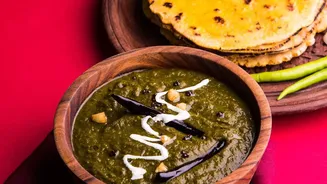
As protein-fortified products fill supermarket shelves, consumers are becoming more discerning. Ingredient transparency is now a critical factor, with 62% of people considering it the most important element when choosing a snack brand—more so than celebrity endorsements. There's also a growing preference for natural ingredients, with many consumers favoring snacks sweetened with dates or jaggery over refined sugar. While packaged goods offer convenience, it's worth remembering that traditional Indian diets are rich in affordable protein sources like dal, paneer, chana, sattu, and eggs. A well-planned diet combining these whole foods can comfortably meet daily protein requirements without relying solely on supplements.