



The Legacy of a Single Letter
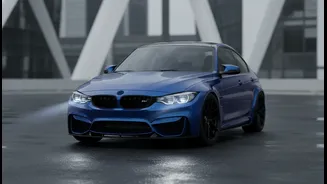
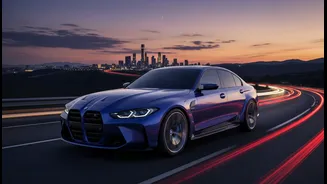
For over fifty years, the single letter 'M' has been synonymous with high performance at BMW. Originally standing for Motorsport, the M division was born on the racetrack in 1972. Its purpose was to facilitate BMW's racing programs, which led to dominant
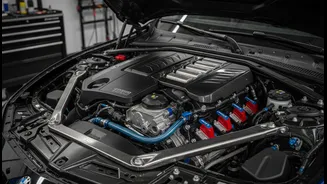
cars like the 3.0 CSL. This track-bred expertise soon found its way to the street, starting with the iconic M1 supercar in 1978 and followed by a dynasty of high-performance sedans and coupes like the M3 and M5. For enthusiasts, 'M' isn't just a trim level; it represents a pinnacle of engineering, a specific feel, and an aggressive character built around powerful combustion engines and dynamic handling tuned at Germany's famed Nürburgring circuit.
A Philosophy, Not a Powertrain
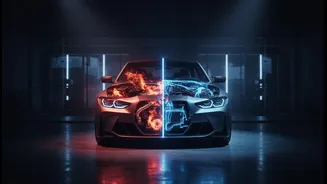
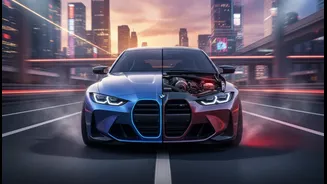
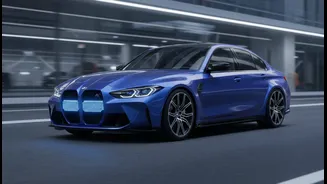
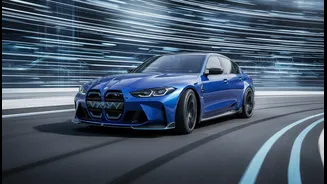
As electric vehicles (EVs) become mainstream, many assumed BMW would create a new sub-brand for its electric performance cars, perhaps something like 'iM'. The public and press speculated heavily about an 'iM3' to designate the coming electric version of the legendary M3. However, BMW has firmly rejected this idea. The head of BMW M, Frank van Meel, has been unequivocal in recent statements. “Of course it’s called M3,” he stated, confirming the electric version will carry the same iconic name. He argued that the M3 has always evolved—from four-cylinders to six-cylinders to V8s—and the powertrain type doesn't change its core identity. The company’s stance is clear: 'M' is a philosophy of ultimate performance, not a tribute to gasoline.
The Electric M Car Arrives
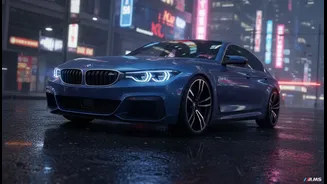
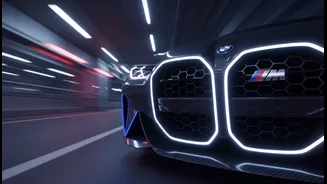
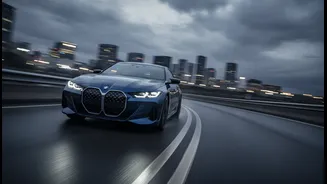
This strategy isn't just talk. BMW has already begun integrating the M badge into its electric lineup with 'M Performance' models like the i4 M50 and iX M60. These cars bridge the gap between standard BMWs and the full-fledged, track-focused 'M' cars. The main event, however, is the forthcoming electric M3, based on the company's new 'Neue Klasse' architecture. Previewed by the M Vision Neue Klasse concept, the first dedicated high-performance M EV is expected around 2027. It will feature a radical quad-motor setup—one for each wheel—and an advanced control system dubbed the 'Heart of Joy', designed to deliver a new level of agility and precision that BMW hopes will define the future of M.
A Calculated Risk
By keeping the M name, BMW is making a high-stakes bet. The advantage is brand continuity and a powerful message of confidence. It signals that the company believes its new electric M cars will be so good they are worthy of the legendary nameplate, satisfying even the most demanding purists. However, the risk is significant. If these electric M cars fail to deliver the emotional connection and track-capable character their predecessors are famous for, the brand risks diluting the very heritage it's trying to preserve. The focus for van Meel's team isn't just on raw power—which is easy to achieve in an EV—but on sustained, repeatable performance without overheating, a key challenge for track-focused electric cars. BMW is adamant that its electric M3 will be a true M car, capable of enduring lap after lap on the track.