




Know Your Regional Grains
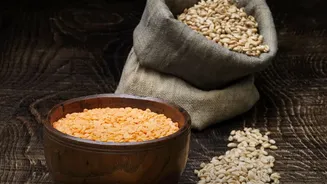
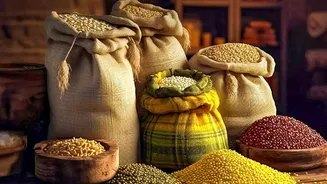
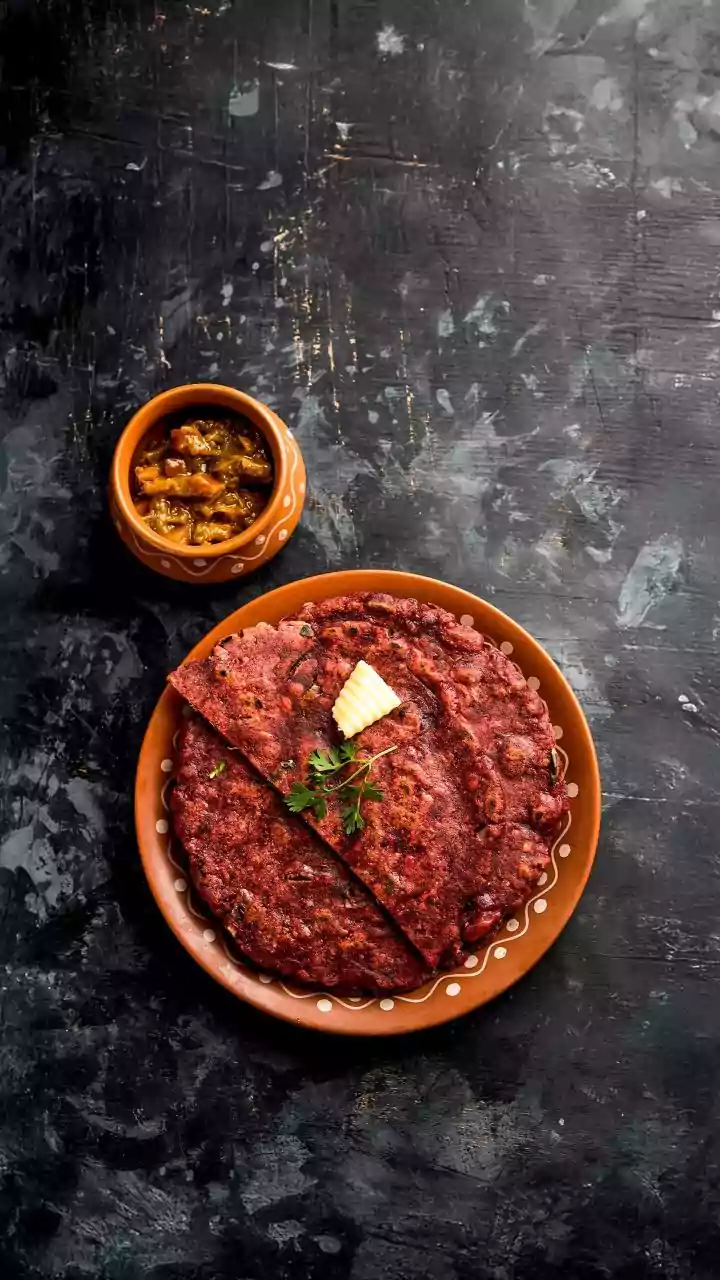
India's agricultural landscape is rich with diverse grains beyond common rice and wheat. At local markets, you're likely to find an array of millets and other traditional cereals. Keep an eye out for ragi (finger millet), a nutrient-dense grain perfect
for rotis and porridge. Jowar (sorghum) and bajra (pearl millet) are other popular coarse grains, known for their resilience and use in traditional flatbreads. You might also discover regional rice varieties, which number in the thousands across the country, each with a unique flavour and texture, like the aromatic Gobindobhog from West Bengal or Ponni rice from the south.
Engage Your Senses: Sight and Smell
The first step in assessing quality is a sensory check. Whole, intact grains should appear uniform in size and colour, without a lot of broken pieces or foreign matter. Grains should look and smell faintly sweet or have no aroma at all. A musty, dusty, or oily smell is a clear sign that the grains are old or have been stored improperly. The delicate oils in the grain's germ can go rancid over time when exposed to heat and air, so a fresh scent is paramount.
Ask the Right Questions
Don't hesitate to start a conversation with the farmer or vendor. Most are happy to share their knowledge. A few key questions can reveal a lot about the product's quality and origins. Start by asking where their farm is located and when the grain was harvested. A recent harvest date is a good indicator of freshness. Another crucial question is how they manage pests. Many small farmers use sustainable practices like crop rotation even if they aren't certified organic, and their answers can tell you about their farming philosophy. Also, ask if they use their own seeds, as this often points to a commitment to preserving heirloom varieties.
Understand the Form: Whole, Pearled, or Flour
Grains come in different forms, which affects their nutritional value and shelf life. A whole grain contains all three parts of the kernel: the bran, germ, and endosperm, offering the most fibre and nutrients. Refined grains have had the bran and germ removed. When buying flour, understand that whole grain flour has a shorter shelf life because the protective bran layer is broken, exposing the oils to oxygen. Freshly milled flour from a local source will have a superior flavour and aroma. When buying packaged products, always check the ingredients list to ensure the first ingredient is a 'whole' grain. Terms like 'multigrain' or '100% wheat' do not guarantee the product is whole grain.
Proper Storage is Key to Freshness
Once you bring your grains home, proper storage is essential to protect them from heat, air, and moisture. Whole, intact grains like wheat berries or brown rice can be stored in an airtight container in a cool, dry pantry for up to six months. For longer storage, especially in warmer climates, the freezer is your best friend, extending their life up to a year. Whole grain flours are more delicate and should ideally be stored in an airtight container in the refrigerator for 1-3 months or the freezer for up to six months to prevent the oils from going rancid. It's often best to buy smaller quantities that you will use within a couple of months to ensure you're always cooking with the freshest product.