

The Purist’s Argument for Black Coffee
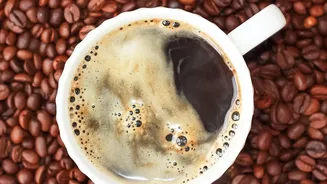
In specialty coffee circles, there’s a strong belief that a great cup of coffee needs nothing at all. This philosophy is at the heart of the “third wave” coffee movement, which treats coffee not as a commodity, but as an artisanal product like fine wine.
The focus is on single-origin beans, where the unique flavours of a specific farm, region, and climate are celebrated. Proponents argue that adding milk or sugar masks these delicate notes—the bright citrus of an Ethiopian Yirgacheffe or the chocolatey richness of a Guatemalan Huehuetenango. For them, drinking coffee black is about respecting the bean and the incredible journey it took from seed to cup, honouring the work of farmers and roasters who meticulously crafted its flavour profile.
The Softer Side: What Milk and Sugar Actually Do
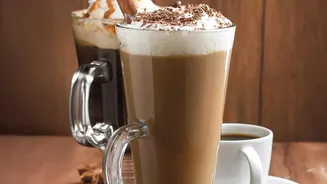
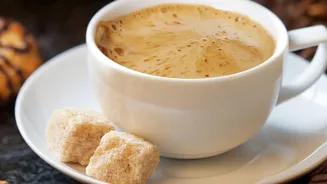
On the other side of the aisle are those who can’t imagine their coffee without a creamy swirl or a sweet kick. This isn’t just about preference; it’s about chemistry. Coffee contains compounds, including chlorogenic acids and caffeine, that contribute to bitterness. Milk proteins have a knack for binding to these bitter compounds, effectively mellowing the flavour and reducing harshness. The fat in milk changes the coffee’s texture, giving it a richer, more velvety mouthfeel that many find satisfying. Sugar, meanwhile, does exactly what you’d expect: it adds sweetness, directly counteracting bitterness. Historically, people have been adding sweeteners and milk to coffee for centuries, often to make less-than-perfectly roasted or brewed coffee more palatable.
A Matter of Taste Buds and Biology
The debate also comes down to our individual biology. Humans evolved to be sensitive to bitterness as a way to detect potential toxins in plants. We all have taste receptors for bitterness, but how strongly we perceive it can vary. Some people are genetically predisposed to be “supertasters,” meaning they are far more sensitive to bitter compounds. For them, black coffee can be genuinely unpleasant, making milk and sugar a necessity rather than a choice. Recent studies have shown that caffeine can amplify the response to bitter and sour tastes, which might explain why some find coffee overwhelmingly sharp. Our preferences are also shaped by habit and what we grew up with, creating a personal benchmark for what “good coffee” tastes like.
A Global Tour of Coffee Traditions
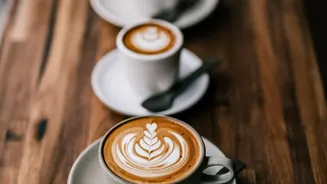
While coffee purists might dominate the conversation in some modern cafes, adding things to coffee is a global tradition with a rich history. The practice appears to have taken hold in Europe in the 17th century as a way to temper the unfamiliar bitterness. In Vienna, the iconic coffee houses gave us the 'Kapuziner'—coffee with cream and spices—the precursor to the modern cappuccino. Look around the world today, and you’ll see countless variations. In Italy, a morning cappuccino is a cultural staple. In India, South Indian filter coffee is famously served with plenty of hot, frothed milk and sugar. Vietnamese 'ca phe sua da' uses sweetened condensed milk for a thick, sweet, and potent brew. And in Ethiopia, the birthplace of coffee, it's sometimes served with a pinch of salt or even spiced butter. These traditions show that modifying coffee is not a modern corruption but a core part of its global identity.