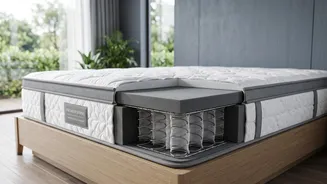








When buying a new mattress, it's easy to assume that a bigger price tag guarantees better sleep. But when it comes to spring mattresses, the most expensive option isn't always the most comfortable. The secret to a good night's rest is more complex.
The Price Tag Illusion
Why
are some mattresses so much more expensive than others? Often, the price is inflated by factors that have little to do with core comfort. These can include significant marketing budgets, brand recognition, and the use of 'luxury' materials that sound impressive but may not substantially improve your sleep quality. While premium mattresses might use higher-quality foams and natural fibres, a high price alone is not a reliable indicator of superior support or durability. Lab tests often find that more affordable mattresses can perform just as well as, or even better than, their expensive counterparts in comfort and support tests. The real cost difference often comes down to materials, construction, and expected lifespan, not just the brand name on the label.
Decoding the Coils
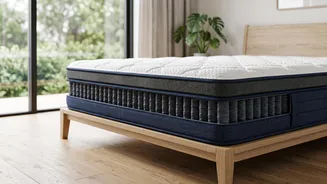
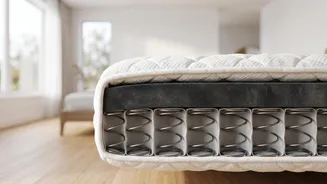
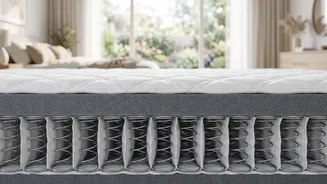
The heart of a spring mattress is its coil system, but marketing has created a myth that a higher coil count is always better. While having enough coils is important for support (a queen mattress should ideally have 600-1000), the quality of the coils often matters more than the quantity. Two other factors are crucial: coil gauge and coil type. Coil gauge refers to the thickness of the wire—a lower gauge number means a thicker, firmer, and more durable wire. A mattress with thicker coils (e.g., 13-gauge) will generally feel firmer and last longer than one with a higher count of thinner coils (e.g., 16-gauge). Additionally, pocketed coils, where each spring is individually wrapped, are better at reducing motion transfer, making them a great choice for couples.
It's What's on Top That Counts
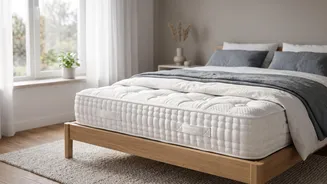
The springs provide support, but the 'comfort' you feel comes from the layers on top. These comfort layers, made from materials like memory foam, latex, or natural cotton, are what cushion your body and relieve pressure on your shoulders and hips. A mattress can have an excellent spring system but feel uncomfortable if the comfort layers are too thin or made from low-quality materials that quickly degrade. Hybrid mattresses, which combine a spring core with thick foam or latex layers, aim to provide the best of both worlds: the support and bounce of springs with the contouring pressure relief of foam. The quality and thickness of these top layers play a massive role in the overall feel and durability of the mattress.
Your Body Knows Best
Ultimately, the 'right' comfort level is deeply personal and depends on your body type and sleeping habits. Your sleeping position is one of the most important factors. Side sleepers generally need a softer, more cushioned surface (medium-soft to medium) to relieve pressure on their shoulders and hips. Back sleepers often do well with a medium-firm mattress that supports the natural curve of the spine. Stomach sleepers typically require a firmer mattress to prevent their hips from sinking too low, which can cause back strain. Your body weight also plays a role; heavier individuals may need a firmer mattress to get adequate support compared to lighter individuals on the same bed.
How to Shop Smart, Not Expensive
Instead of being guided by price, focus on finding a mattress that fits your personal needs. The best way to do this is to test it out. When you're in a store, lie on a mattress for at least 10-15 minutes in your usual sleeping position to get a real feel for its support and comfort. Check the specifications beyond just the coil count; ask about the coil gauge and the materials in the comfort layers. Don't ignore the return policy and warranty. A generous trial period (many online brands offer 100 nights or more) shows the company is confident in its product and gives your body time to adjust. By prioritizing personal fit over price and marketing claims, you can find a comfortable and durable mattress without breaking the bank.