


More Than Just a Gimmick
Known as retro walking, the practice of moving in reverse is gaining traction for good reason. While it might draw a few curious glances at the park, it's a technique long used in physical therapy for rehabilitation. The core principle is simple: by reversing
our most automatic movement, we force our bodies and brains to work in unfamiliar ways. This novel challenge changes the mechanical load on our joints and muscles and requires significantly more mental focus, offering a host of benefits that a standard forward stroll simply can't replicate.
Reshaping Your Lower Body Strength
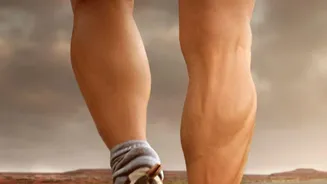
When you walk forward, your body operates on a familiar heel-to-toe pattern. Backward walking flips this, making you land on your toes first and roll back to your heel. This seemingly minor shift dramatically changes which muscles do the heavy lifting. Studies show that reverse walking activates the quadriceps—the large muscles at the front of your thighs—far more than forward walking. It also engages the glutes, hamstrings, and calves differently, providing a more balanced workout for the lower body. For people with certain types of knee pain, such as from osteoarthritis, this can be a game-changer. The movement puts less compressive stress on the knee joint while simultaneously strengthening the supporting quad muscles.
A Boost for Your Balance and Posture
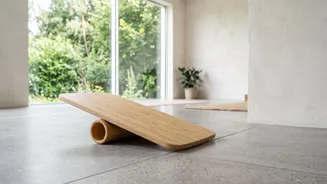
Because you can't see where you're going, your body's other sensory systems have to step up. This enhances proprioception—your innate sense of where your body is in space. Your brain and nervous system must work harder to coordinate movement and maintain stability, strengthening the small stabilizing muscles in your ankles, knees, and hips. Research has found that regular backward walking can lead to significant improvements in balance, gait, and stability, which is particularly beneficial for reducing the risk of falls. Furthermore, to stay upright while moving backward, you naturally have to engage your core and pull your shoulders back, which can help counteract the slouching posture many develop from long hours of sitting.
Waking Up Your Brain
Perhaps the most compelling benefits of reverse walking are cognitive. Because the movement is not automated, it demands your full attention. This heightened focus stimulates parts of the brain associated with decision-making and problem-solving. Several studies have linked backward locomotion—and even just visualizing it—to improved short-term memory and faster reaction times. By breaking a deeply ingrained habit, you are encouraging neuroplasticity, which is the brain's ability to form new neural pathways. It’s a workout for your mind that enhances spatial awareness and promotes a state of mindfulness, forcing you to be present in the moment.
How to Get Started Safely
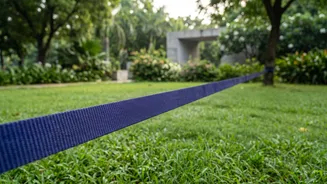
Ready to take a step back? Safety is paramount. Start in a controlled, obstacle-free environment, like an empty hallway, a running track, or a clear patch of grass. A treadmill is also an excellent option, as you can use the handrails for support and control the speed. Begin slowly for just five minutes, alternating with forward walking. Focus on your form: take shorter steps, landing on the ball of your foot first before your heel makes contact. Resist the urge to twist your torso too much; a slight glance over your shoulder is enough to check your path. As you grow more comfortable, you can gradually increase the duration and speed.