








A Major Beat on Expectations
On the surface, 480,126 is just a large number. But in the world of automotive sales and stock market analysis, it was a huge surprise. Before the announcement, Wall Street analysts had collectively forecasted that Tesla would deliver somewhere around
406,000 vehicles. The actual result didn't just beat this consensus; it blew past it by more than 74,000 cars. This performance marks a significant turnaround, representing a 25% increase from the 384,122 vehicles delivered in the same quarter last year and a 34% jump from the first quarter of 2026. After two years of declining annual sales, this quarter was the first to show year-over-year growth, signaling a potential return to form for the electric vehicle giant.
Model 3 and Y Continue to Dominate
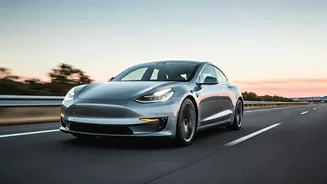
The overwhelming majority of these sales came from Tesla’s most popular vehicles, the Model 3 and Model Y. Together, they accounted for 467,762 deliveries. The remaining 12,364 deliveries were made up of the company's other models, including the higher-end Model S and Model X, as well as the newer Cybertruck and Semi. An interesting detail from the report was that Tesla delivered about 28,000 more cars than it produced in the quarter. This is a reversal from previous quarters, where the company was producing more cars than it sold and building up its inventory. This shift suggests that demand was strong enough to not only absorb new production but also to clear out existing stock.
What's Driving the Growth?
Several factors appear to have contributed to this impressive quarter. A strong sales rebound in Europe played a significant role, with registration data from June showing massive increases in key markets like France, Sweden, and Italy. Analysts suggest that rising fuel prices in the first half of the year, tied to geopolitical tensions, pushed more consumers toward electric vehicles. Furthermore, Tesla's strategic price adjustments and the introduction of more affordable configurations for the Model 3 and Model Y likely widened their appeal. The company also managed to successfully navigate the end of federal EV tax credits in the U.S., a headwind that many bears believed would severely hamper demand.
The Competitive Landscape
While this quarter was a clear win for Tesla, the company is operating in a far more competitive market than it was just a few years ago. Chinese automaker BYD, for instance, delivered 557,090 fully electric vehicles in the same quarter, maintaining its position as the global leader in battery-electric sales. However, the gap between the two is narrowing. While Tesla's sales jumped 25% year-over-year, BYD's BEV deliveries actually fell by about 8%. This puts Tesla about 77,000 units behind its chief rival, a significant improvement from the 220,000-unit gap a year ago. In the U.S., Tesla's market share has been slowly eroding as legacy automakers like Ford and GM, along with other EV startups, intensify their efforts.