







A Digital Deluge in Concrete and Steel
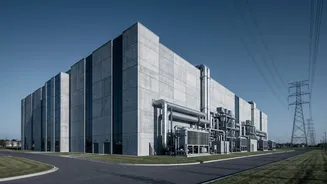
Across India, from the coasts of Mumbai and Chennai to tech hubs like Hyderabad and Bengaluru, vast digital factories are rising. These data centers, the physical backbone of the cloud, are expanding at an unprecedented rate. India's data center capacity
has surged from just 375 megawatts (MW) in 2020 to over 1,575 MW today. Projections show this is just the beginning. Fueled by data localization laws, a billion internet users, and the explosion in artificial intelligence, capacity is expected to reach between 8,000 and 10,000 MW by 2030. This boom is attracting billions in investment from global tech giants like Amazon, Google, and Microsoft, alongside domestic powerhouses.
The Unseen Thirst for Power
Why is this growth such a challenge? Data centers are among the most energy-intensive facilities on the planet. They run 24/7, with thousands of servers processing information. But the real energy glutton is cooling. All those servers generate immense heat, and keeping them at optimal temperatures requires constant, powerful air conditioning or other cooling systems. A single large data center can consume as much electricity as a small city. As India adds more capacity, the collective power demand is staggering. The Central Electricity Authority estimates that by 2032, data centers could add a load of over 17 GW to the national grid. This would see their share of national electricity consumption rise from less than 1% today to as much as 3% by 2030.
A Grid Under Pressure
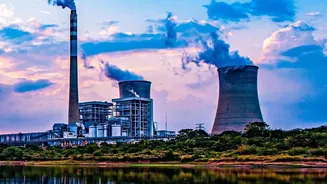
This surging demand is colliding with the realities of India's power grid, which is already strained and heavily reliant on coal. Data centers require an uninterruptible, high-quality power supply, something that can be a challenge in a country where grid stability is still a developing concern. This has led to a reliance on massive diesel generator sets for backup, adding to emissions and operational costs. A parliamentary panel has warned that the high concentration of data centers in a few key cities could overwhelm local power networks. The issue is not just about quantity; it's also about quality and cleanliness. To meet its climate goals, India cannot power its digital future with fossil fuels.
The Search for Greener Solutions
The industry and government are aware of the challenge. A significant shift toward renewable energy is underway, driven by both sustainability goals and economic sense. Tech giants are signing long-term power purchase agreements (PPAs) to buy wind and solar power directly from developers. Companies like AdaniConneX and Nxtra by Airtel have pledged to power their facilities with 100% renewable energy by 2030. The government is also encouraging this transition, granting infrastructure status to data centers and promoting green energy through various policies. Some state policies offer incentives for facilities that meet energy efficiency standards, while others are even urging developers to build data centers closer to power generation sites to reduce transmission losses.
A Strategic Crossroads for Digital India
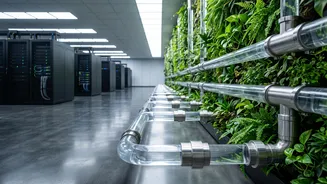
The intersection of data centers and energy is more than a technical problem; it's a strategic test for the nation. Successfully balancing the explosive growth of the digital economy with the need for a stable and green power grid is critical. If India can design its digital infrastructure around renewable integration from the start, it could create a powerful competitive advantage. This involves not just building more solar and wind farms, but also investing in energy storage, modernizing the grid, and adopting cutting-edge cooling technologies that use less power and water. The decisions made today will determine whether India's cloud computing boom powers a sustainable future or becomes a drag on its environmental commitments.