




The Digestive Dilemma with Pulses
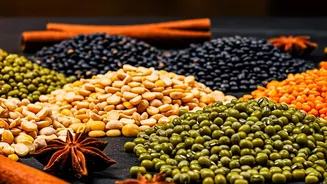
Pulses are a fantastic source of plant-based protein, but they come with a natural defense mechanism. They contain compounds called anti-nutrients, such as phytic acid and lectins, which can interfere with nutrient absorption and cause digestive issues
like gas and bloating. Phytic acid can bind to minerals like iron, zinc, and calcium, making them less available to your body. Meanwhile, complex sugars called oligosaccharides are difficult for the human body to break down, leading to fermentation in the gut and that familiar bloated feeling. The good news is that these compounds are not a reason to give up on pulses; they can be significantly reduced with proper preparation and cooking.
The Soaking Solution
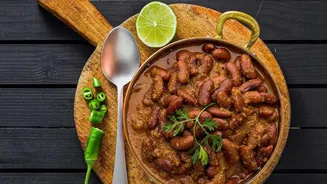
The single most important step to improve the digestibility of pulses is soaking. Soaking in water for several hours helps to break down the complex sugars and reduce levels of phytic acid. For most whole pulses like chickpeas (chana) and kidney beans (rajma), an overnight soak of 8-12 hours is ideal. Split pulses like moong or masoor dal require less time, around 6 to 8 hours. A common mistake is using the soaking water for cooking. This water contains the very compounds you're trying to eliminate, so it's crucial to discard it, rinse the pulses thoroughly, and use fresh water for cooking.
Mastering the Cooking Process
Once soaked and rinsed, the cooking method further ensures good texture and digestion. Boiling and pressure cooking are both effective at breaking down the remaining anti-nutrients, especially heat-sensitive lectins. In fact, some beans, like rajma, must be boiled thoroughly to destroy potentially harmful levels of lectins. For an even cook, it's best to bring the pulses to a boil and then reduce the heat to a gentle simmer. Cooking them too vigorously can cause the skins to burst and the outsides to turn mushy while the centers remain hard. A pressure cooker is an excellent tool that significantly reduces cooking time while effectively neutralizing anti-nutrients.
Tips for Perfect Texture and Flavor
Achieving the perfect texture—creamy, not mushy; tender, not tough—involves a few key tricks. One common myth is that you shouldn't salt the water at the start. However, some advice suggests that salting the water can help soften the skins and shorten cooking time. Conversely, other sources recommend adding salt only after the pulses are tender, arguing it can toughen them. Similarly, acidic ingredients like tomatoes, lemon juice, or vinegar can prevent pulses from softening, so it’s best to add them towards the end of the cooking process when the pulses are almost tender. Skimming off any foam that appears on the surface during boiling can also help improve the final texture and remove saponins.
Aiding Digestion with Spices
Certain additions to the cooking pot can further enhance digestibility. Adding a small strip of kombu, a type of seaweed, can work wonders. Kombu contains enzymes that help break down the gas-producing sugars in beans. Simply add a piece to the pot at the beginning of cooking. It imparts a subtle umami flavour without making the dish taste like seaweed. Another traditional Indian kitchen staple is asafoetida (hing), which is well-known for its ability to reduce gas and bloating when added during the cooking process. Spices like ginger, cumin, and fennel also have digestive benefits and can be incorporated into your dal or bean curry.