



Beyond the Checklist
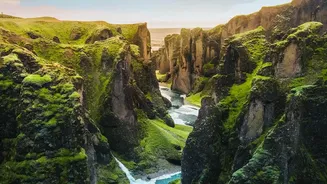
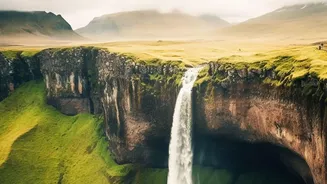
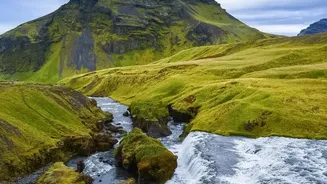
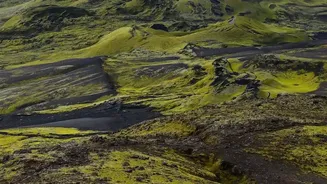
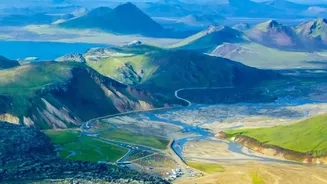
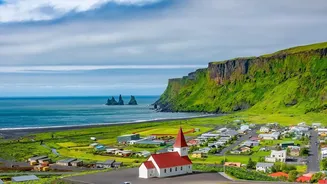
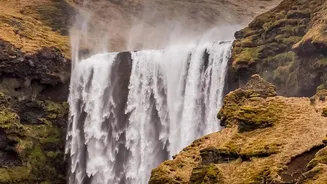
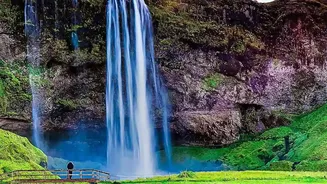
Many tourists experience Iceland as a checklist: Geysir, Gullfoss, Reynisfjara beach. These are stunning sights, but they represent a fraction of the country’s wild beauty. Venturing into areas like the Westfjords, the Eastfjords, or the central Highlands
opens up a world of dramatic, uncrowded landscapes. Unlike the main tourist loop, these regions aren't designed for quick, predictable visits. Many roads are gravel, mountain passes can be steep, and services are sparse. This isn't a downside; it's the very essence of the adventure. The goal shifts from seeing specific spots on a schedule to immersing yourself in the raw, untamed environment, which requires letting go of a rigid plan.
The Weather Is the Itinerary
In remote Iceland, the weather isn't just a factor in your plans; it often becomes the plan itself. A sunny morning can give way to a blizzard with near-zero visibility in a matter of hours, especially at higher elevations. Fierce katabatic winds can sweep down from glaciers, making driving hazardous, and sudden snowfall can close a mountain pass for hours or even days. F-roads, the rugged tracks that access the Highlands, are only open in summer and their condition can change rapidly with rainfall, making river crossings impassable. This is why local wisdom prizes adaptability; Icelanders have learned to respect and adjust to the weather, and visitors hoping to explore its wildest corners must do the same.
Your Digital Toolkit for Success
Embracing flexibility doesn't mean being unprepared. In fact, it requires diligent daily planning using the same tools Icelanders rely on. Before you even think about starting your car each day, a three-part check is non-negotiable. First, consult the Icelandic Meteorological Office at 'vedur.is' for detailed weather forecasts, paying special attention to wind speed and precipitation warnings. Second, visit the Icelandic Road and Coastal Administration's site, 'road.is', for a real-time, color-coded map of road conditions and closures. Green means passable, while yellow, orange, and red indicate increasing difficulty or outright closure. Finally, check 'safetravel.is' for official alerts, travel advice, and to file a travel plan if you're heading into the backcountry. This five-minute routine can save you hours of trouble.
Building a Resilient Travel Plan
So what does a flexible itinerary look like in practice? It starts with booking. Prioritize accommodations with forgiving cancellation policies, which gives you the freedom to change your route without financial penalty. Don't create a minute-by-minute schedule. Instead, build 'buffer days' into your trip. A buffer day is an unassigned day that can be used to wait out a storm, or, if the weather is good, to linger longer in a place you love. When planning your route, think in terms of options. For a journey from Point A to B, identify a Plan B and even a Plan C in case your primary route becomes impassable. This might mean having an alternative, lower-commitment activity planned, like exploring a local town or visiting a geothermal pool if a long drive is inadvisable.
The Unexpected Rewards of Adapting
The true beauty of this approach is that it reframes potential disruptions as opportunities. A road closure isn't a failure; it's a detour that might lead you to a charming fishing village you would have otherwise sped past. A windy, rainy day might be the perfect excuse to spend hours soaking in a local hot spring you hadn't heard of, chatting with residents. By letting go of the pressure to stick to a predefined plan, you allow for spontaneity and discovery. These unplanned moments—the 'wrong' turn that leads to a breathtaking view, the storm that forces a cozy afternoon in a café—often become the most cherished memories of an Icelandic adventure. It's a shift from 'seeing' Iceland to truly 'experiencing' it.