


Decoding the Dates: 'Best Before' vs. 'Use By'
The first step to becoming a smarter consumer is understanding the language on the label. In India, the Food Safety and Standards Authority of India (FSSAI) has specific definitions. The 'Best Before' date is about quality. It tells you when the food
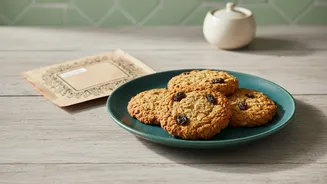
will be at its peak flavour and freshness. Food is generally safe to eat after this date, but the texture or taste might have slightly diminished. Think of biscuits that aren't as crisp or spices that are less pungent. On the other hand, the 'Use By' or 'Expiry' date is about safety. This label is found on highly perishable items like fresh meats, certain dairy products, and ready-to-eat salads. After this date, the food could be unsafe to consume, even if it looks and smells fine.
The Myth of the Hard Expiry
For a vast number of products, the date is a manufacturer's suggestion for peak quality, not a safety cliff-edge. Confusion about this leads to tonnes of perfectly good food being thrown away. Many shelf-stable pantry items are designed to resist spoilage for years, if not indefinitely, when stored correctly. High levels of sugar, salt, acid, or a lack of moisture act as natural preservatives. This is why items like honey, white rice, dried pasta, and canned goods often last for years past their 'Best Before' date. The key is that the packaging must be intact and the storage conditions correct.
Your Senses Are Your Best Guide
Instead of relying solely on a printed date, trust your own judgment. Your senses are powerful tools for detecting spoilage. Before you throw something out, perform a quick check. First, look for any signs of spoilage like mould, discoloration, or changes in texture. For canned goods, check for rust, deep dents (especially along the seams), or any bulging, as this can be a sign of dangerous bacterial growth. Next, smell the food. A sour, off, or ammonia-like odour is a clear signal that the food has gone bad. If it looks and smells okay, and it's a 'Best Before' item, it's likely safe. For foods past their 'Use By' date, however, it's safest to discard them without this test.
When You MUST Trust the Label
While you can be flexible with many foods, there are categories where the 'Use By' date is a non-negotiable safety rule. These are typically highly perishable foods where harmful bacteria can grow without obvious signs. This list includes: fresh and sliced deli meats, fresh fish and seafood, pre-prepared salads and sandwiches, and unpasteurized dairy products like soft cheeses. Consuming these items past their 'Use By' date significantly increases the risk of foodborne illness, so it's crucial to adhere to the manufacturer's guidance. Infant formula is another critical category where the expiration date must always be followed, as the nutritional value can degrade.
Smart Storage Extends Shelf Life
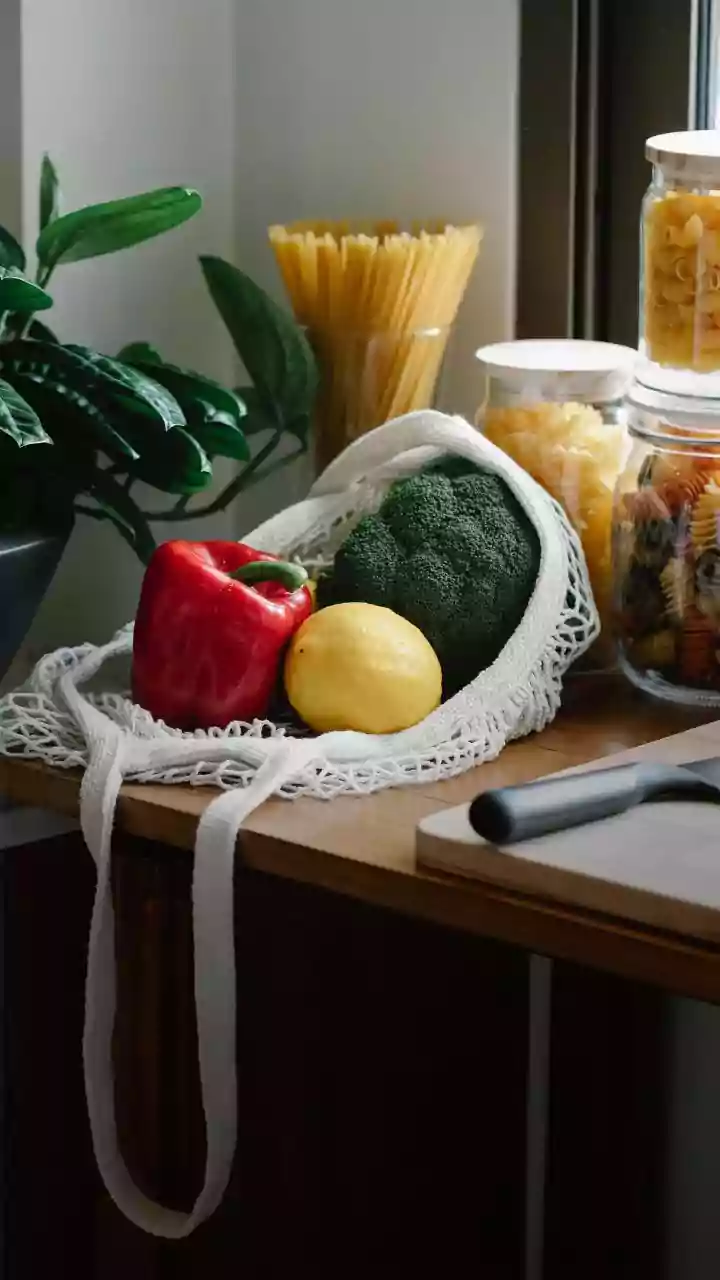
How you store your food is just as important as the date on the label. Proper storage can dramatically extend the freshness and safety of your groceries. Keep your refrigerator at or below 4°C and your freezer at -18°C. Store meat and poultry on the lowest shelf of the fridge to prevent drips from contaminating other foods. Many fruits and vegetables last longer when kept in crisper drawers. Pantry items like flour, rice, and spices should be kept in airtight containers in a cool, dark, and dry place to protect them from moisture, pests, and light. By applying the 'First In, First Out' (FIFO) method—using up older items before new ones—you can ensure that nothing gets forgotten at the back of the shelf.