


The Sweet Science in the Jar
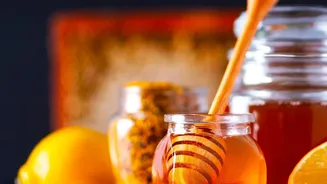
At its core, honey is a supersaturated solution of two main sugars: fructose and glucose, with water and trace amounts of acids, minerals, and aromatic compounds. The magic, and the variability, lies in the ratio of these components. The nectar source—the
type of flower the bees visited—is the single biggest factor determining a honey's character. It dictates the fructose-to-glucose ratio, moisture level, colour, and flavour, from light and floral clover honey to dark and robust buckwheat honey. This natural variation is why different honeys behave so differently in your kitchen.
The Crystallization Conundrum
Finding a jar of honey that has turned solid and grainy is a common experience, but it’s not a sign of spoilage. This natural process, called crystallization, happens when the glucose in the honey separates from the water and forms crystals. Honeys with a higher proportion of glucose, like clover and wildflower, will crystallize relatively quickly. On the other hand, honeys with a high fructose content, such as acacia and tupelo, can remain liquid for years. This is because fructose is much more soluble in water than glucose. If your honey does crystallize, you can easily return it to its liquid state by placing the jar in a warm water bath and stirring gently.
Success in Baking
Honey is a fantastic ingredient in baking, but it’s not a simple one-for-one substitute for sugar. Because it's sweeter than sugar, you generally need to use less—a common rule of thumb is to use ¾ cup of honey for every cup of sugar. Honey is also hygroscopic, meaning it attracts and holds onto moisture. This gives baked goods a wonderfully moist texture and a longer shelf life. However, the free fructose in honey causes it to brown much faster than granulated sugar, so you'll need to reduce your oven temperature by about 25°F to prevent your creations from getting too dark on the outside before they are cooked on the inside. Light, mild honeys like clover or alfalfa are great for delicate cakes, while strong, dark honeys like buckwheat add a rich flavour to hearty breads and marinades.
Perfect Glazes and Dressings
When it comes to sauces, glazes, and dressings, both the flavour and viscosity of honey matter. For a vinaigrette, you might want a runnier, milder honey that will emulsify easily and not overpower the other ingredients. A light, floral orange blossom or acacia honey is perfect for this. For a sticky glaze on chicken or vegetables, a thicker, more robust honey is a better choice. Darker honeys like buckwheat or manuka have bold, sometimes molasses-like flavours that can stand up to and complement savoury dishes. Their thickness helps them cling to food, creating a beautiful, caramelized coating during cooking.
Sweetening Sips and Snacks
Even in simple uses like sweetening tea or drizzling over yoghurt, the type of honey can make a difference. Light, delicate honeys like acacia dissolve easily and add a clean sweetness without altering the flavour of your favourite green tea. A stronger, more aromatic honey like eucalyptus could be a welcome, flavourful addition to a hot toddy, especially to soothe a sore throat. When topping yoghurt, pancakes, or cheese, the honey’s flavour becomes a key feature. A citrusy orange blossom honey can brighten up a fruit bowl, while a complex wildflower honey can add a rustic, floral note to a simple piece of toast.