




Start with the Dates, But Don't Stop There
Every package comes with a 'manufacturing date' and a 'best before' or 'use by' date. This is your first checkpoint. Freshness is paramount for paneer, as its texture and flavour degrade over time. Look for the most recently manufactured package available.
A shorter shelf life can sometimes indicate fewer preservatives. While crucial, the dates are only part of the story. The paneer's journey from the plant to the store shelf matters, so use the date as a starting point before inspecting the product more closely.
Scrutinise the Ingredient List
A good quality paneer should have a very short and simple ingredient list: milk, and an acidulant like citric acid or lemon juice to curdle it. According to FSSAI (Food Safety and Standards Authority of India) standards, paneer is a milk product and should not contain fillers like starch. Some brands may add milk solids, which is acceptable. Be wary of ingredients you don't recognise or terms like 'vegetable fat' or 'starch'. Recent FSSAI proposals aim to restrict products using non-dairy ingredients from being labelled as 'paneer', to prevent consumers from being misled. Always check for the FSSAI license number on the packaging, which is a mark of regulatory compliance.
Judge It by Its Cover (and Colour)
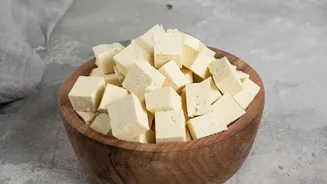
Before you even put it in your cart, take a good look at the paneer through the packaging. Fresh, good quality paneer should have a uniform, creamy, off-white colour. Paneer made from cow's milk may have a slight yellowish tinge, which is natural. However, avoid any blocks that look stark white, as this could suggest bleaching, or have developed significant yellow, dry, or cracked edges, which are signs of age and improper storage. Also, check the packaging itself. Avoid any packets that are puffed up or bloated, as this can be a sign of bacterial growth and spoilage. Similarly, leaky or damaged packaging is a red flag, as it compromises freshness and hygiene.
The Gentle Squeeze Test
You can often gauge the texture even through the vacuum-sealed pack. Gently press the paneer. It should feel firm but have a slight spring to it. If it feels rock-hard or rubbery, it’s likely old or was over-processed during manufacturing, and it won't be soft when cooked. Conversely, if it feels overly soft, mushy, or slimy, it may be starting to spoil. The ideal paneer holds its shape but is tender enough to absorb flavours well. A slimy texture is a definite sign to put the package back.
Understand the 'Malai' Difference
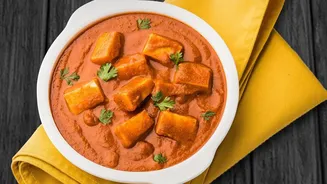
You'll often see 'Malai Paneer' sold alongside regular paneer. 'Malai' means cream, and this type is made using milk with a higher fat content, often with added cream. The result is a paneer that is noticeably softer, richer, and creamier in texture than its regular counterpart. While delicious, it is also higher in fat and calories. Regular paneer is firmer, holds its shape better in dishes like tikka, and is a better choice if you need a sturdy cube that won't crumble in a curry. The choice between them depends entirely on your recipe and dietary preference.