







The Burnout from Binge-Watching
The paradox of choice has never been more real than on a streaming platform. The endless scroll through countless titles often leads to 'viewing fatigue'—a state of mental exhaustion from the sheer volume of content available. For many in Gen Z, this
isn't just about being overwhelmed; it’s about the solitary, often passive nature of at-home viewing. Studies and surveys highlight a growing sense of digital exhaustion and subscription fatigue among younger audiences, who manage multiple streaming services. Many admit to cancelling services out of frustration or adopting 'rotating' strategies to manage costs and clutter. This environment has created a craving for entertainment that feels deliberate and distinct from the daily routine of screen time. Going to the cinema is a conscious decision to leave the house, put the phone away, and dedicate a few hours to a single story, offering a structured break that home viewing cannot replicate.
More Than a Movie, It's an Experience
For Gen Z, the appeal of the cinema is shifting from simple content consumption to a full-fledged social event. This generation prioritises the 'experience economy', valuing memories and shared activities over material possessions. A trip to the movies has become an occasion—a chance to gather with friends, participate in a cultural moment, and be part of a collective. This trend is particularly visible with blockbuster releases that become social media phenomena, where dressing up and being part of the 'vibe' is as important as the film itself. According to industry executives in India, younger audiences are specifically seeking these in-person social experiences, which helps drive footfalls even between major releases. This desire for real-world connection and creating shareable moments is transforming the theatre from a passive viewing space into an active social destination.
The Power of a Captive Audience
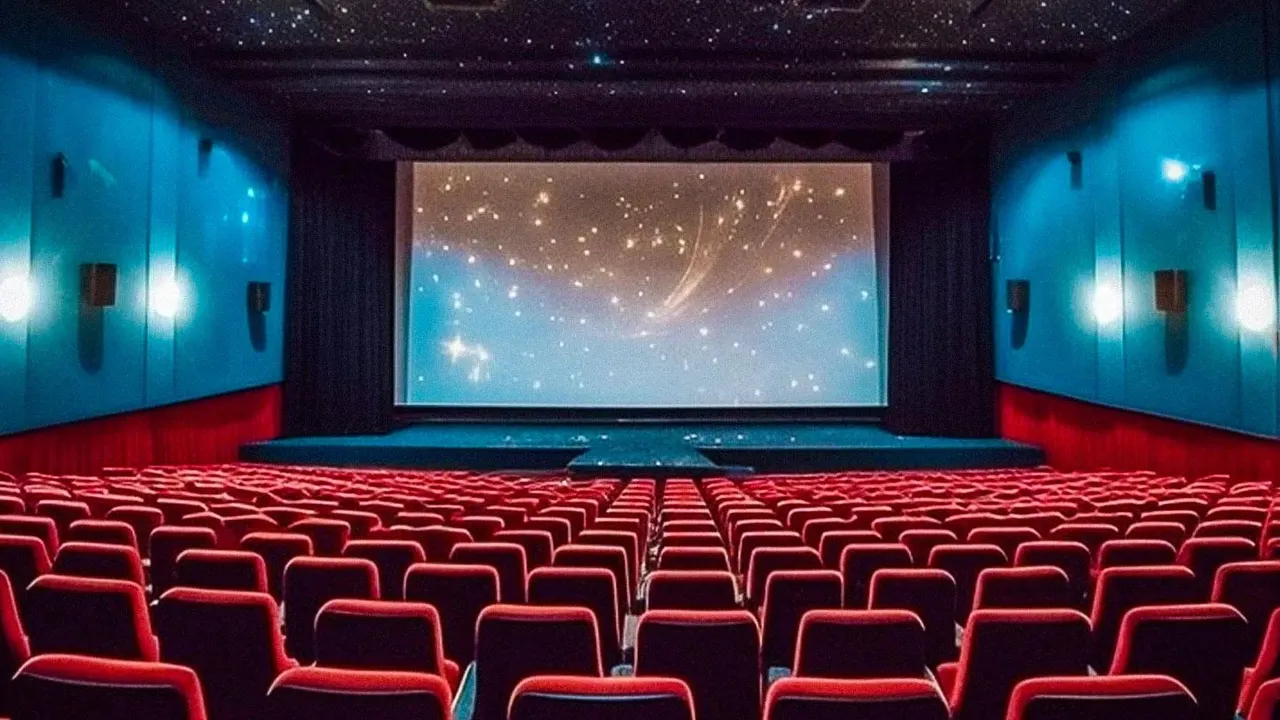
In an era of constant distraction and multi-screening, the cinema offers a rare sanctuary for focused attention. The dark room, giant screen, and immersive sound system create an environment where the outside world, and its endless notifications, fades away. This forced digital detox is a powerful draw for a generation that reports feeling overwhelmed by their digital lives. The shared experience of reacting as a crowd—laughing, gasping, or cheering together—fosters a sense of community that is impossible to replicate when watching alone at home. This communal aspect taps into a deep-seated need for connection. Reports indicate that the rate of young people going to the movies has not only recovered since the pandemic but in some regions has surpassed pre-pandemic levels, underscoring the enduring appeal of a distraction-free, shared emotional journey.
How Indian Cinemas Are Leaning In
Multiplex chains in India have been quick to recognise and adapt to this trend. PVR INOX, for instance, has noted that consumers under 30 now account for the majority of Hindi box office collections, especially on opening days. In response, they are enhancing the cinema-going experience to cater specifically to this demographic. This includes investing in premium formats like IMAX and 4DX, offering diverse food and beverage options, and designing aesthetically pleasing lobbies that are perfect for social media posts. The strategy is clear: sell an entire outing, not just a movie ticket. By focusing on creating a premium, social, and memorable event, Indian theatres are successfully positioning themselves as an essential offline destination for a generation seeking a meaningful escape from the digital world.