



From Staple to Status Symbol
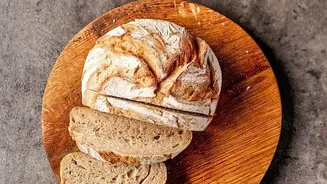
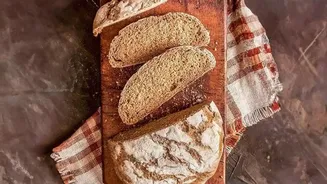
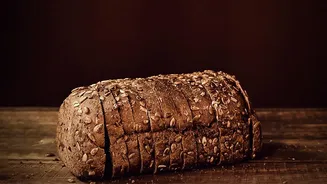
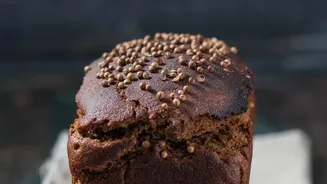
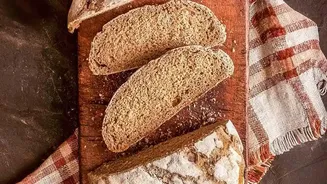
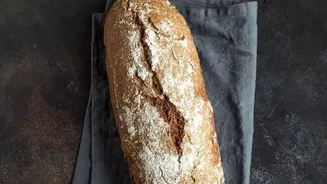
In a city known for its culinary extremes, perhaps nothing has recently captured the conversation quite like a loaf of bread. At Rye, a SoHo bakery with Austrian roots, a 3.3-pound loaf of 100% rye sourdough sells for a staggering $60. While not every
artisanal loaf in the city commands such a price, it's an emblem of a larger trend. Across NYC, premium sourdough from specialty bakeries can easily run from $10 to $20, a significant jump from a standard supermarket loaf. This isn't just bread; it has become a conversation piece, a status symbol, and for some, an embodiment of craft worth queuing for. The phenomenon has sparked both fascination and backlash, prompting a city of food lovers to ask: What makes a loaf of bread worth so much?
The Anatomy of a Premium Loaf
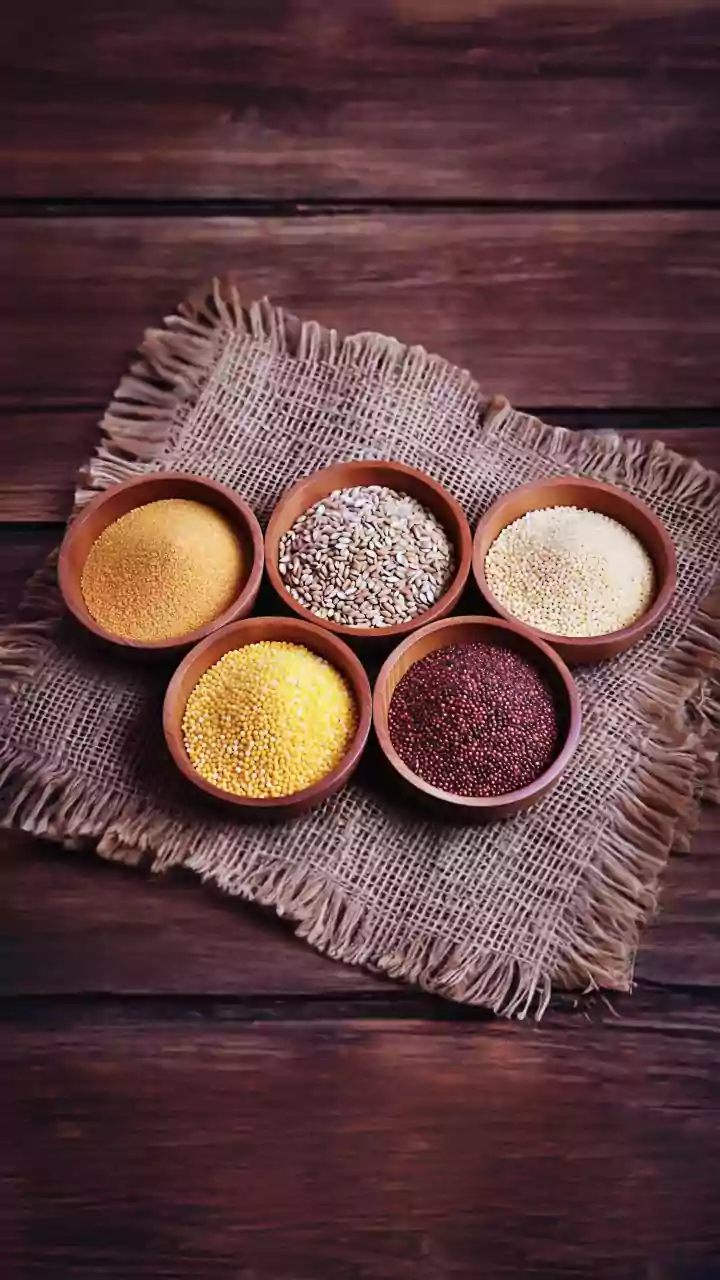
The high cost is rooted in a philosophy that prioritizes quality, time, and technique over mass production. The ingredient list for these loaves is deceptively simple, but the sourcing is anything but. Many artisan bakers use premium, often organic, flours and heritage grains like spelt or einkorn, which cost significantly more than conventional flour. Bakeries like Heritage Grand Bakery in Midtown import ancient grains from their own family-run farms in Europe, ship them to the U.S. via sailboat, and mill them on-site. This commitment to specific, high-quality ingredients forms the foundation of the bread's flavor and nutritional profile.
Time Is the Most Expensive Ingredient
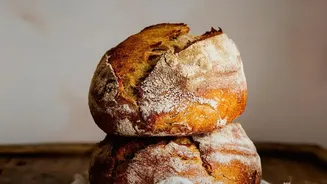
Beyond the ingredients, the single greatest cost is labor-intensive time. Unlike factory bread produced in hours, artisanal sourdough undergoes a long fermentation process that can take 24 to 48 hours or even longer. This slow journey, powered by a carefully maintained natural starter, is crucial for developing the bread's complex flavor, chewy texture, and digestible structure. The owner of Rye bakery notes their process involves a 24-hour fermentation followed by an eight-hour rest period even after baking. This methodical, hands-on approach requires skilled bakers and limits production to small batches, forgoing the economies of scale that make supermarket bread cheap. Every step, from feeding the starter to shaping and scoring the dough by hand, is an expression of craftsmanship.
A Cultural and Economic Moment
The rise of premium sourdough isn't happening in a vacuum. It intersects with several cultural and economic currents. The post-pandemic era saw a surge in home baking, elevating the appreciation for handmade goods. For some, this hobby evolved into a professional craft. Furthermore, the trend taps into the broader wellness movement, with consumers increasingly seeking natural, unprocessed foods with transparent origins. At the same time, this is happening in New York City, a place with notoriously high costs for rent, labor, and operations, all of which are baked into the final price. Some analysts also connect this to the "little treat economy," particularly among younger consumers who, facing daunting long-term expenses like housing, find it easier to justify small, high-quality luxuries.
So, Is It Worth It?
Whether a $15, $20, or even $60 loaf is "worth it" is subjective. For critics, turning a basic staple into an exclusive luxury item feels out of touch, especially when food accessibility is a concern. For bakers and devotees, however, the price reflects the true cost of sustainable farming, skilled labor, and a superior product. Many bakeries aren't necessarily expecting customers to buy a whole $60 loaf regularly; instead, they sell smaller portions, like quarter-loaves or individual slices topped with artisanal spreads, for a more accessible price. This strategy transforms the bakery from a simple shop into an experience-driven destination. You're not just buying food to fill the pantry; you're buying a taste of tradition, a specific craft, and a story you can share.