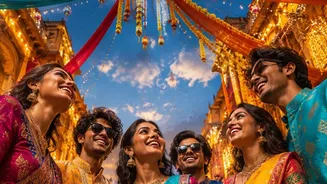



Every December, Nagaland hosts the 'Festival of Festivals'. The Hornbill Festival is a vibrant spectacle of culture, music, and tradition. With the 2026 edition just weeks away, now is the time to plan your trip to this incredible cultural event.
What is the Hornbill Festival?
The Hornbill
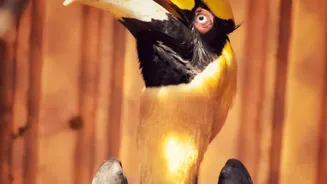
Festival, held annually from December 1st to 10th, is Nagaland's largest cultural celebration. Started in 2000 by the state government, its aim is to preserve Nagaland's rich cultural heritage and foster interaction among its diverse ethnic groups. Often called the 'Festival of Festivals', it brings together all of Nagaland's major tribes to a single venue, offering visitors a unique opportunity to witness the distinct traditions, dances, and customs of the region in one place. The festival is named after the revered hornbill bird, a symbol of grandeur and alertness prominent in Naga folklore. The celebration coincides with Nagaland Statehood Day on December 1st, adding another layer of significance to the opening day.
The Heart of the Action: Kisama
The festival takes place at the Naga Heritage Village in Kisama, located about 12 kilometres from the capital city, Kohima. This open-air venue was specifically created to host the event and functions as a cultural museum for the rest of the year. The village features Morungs, which are traditional Naga bachelor dormitories or community houses, with each one representing a different tribe. Exploring these Morungs is a festival highlight, allowing you to interact with locals in traditional attire, see intricate carvings, watch live craft demonstrations, and even sample home-brewed rice beer. The main arena hosts a rolling program of cultural performances daily, from energetic war dances to harvest songs.
Key Attractions for 2026
Beyond the mesmerising dances in the main arena, the Hornbill Festival is packed with activities. Food lovers can indulge in an array of authentic Naga cuisine at the tribal Morungs and food stalls, featuring delicacies like smoked pork with bamboo shoot and dishes spiced with the fiery Naga king chilli. The festival also hosts indigenous games and sports, including traditional wrestling, archery, and even chilli-eating contests. In the evenings, the focus shifts to contemporary culture with the Hornbill Music Festival and Rock Contest, which attracts bands from across the country. A bustling night bazaar offers a chance to shop for local handicrafts, handloom shawls, and unique souvenirs directly from artisans.
Planning Your Trip: Travel and Stay
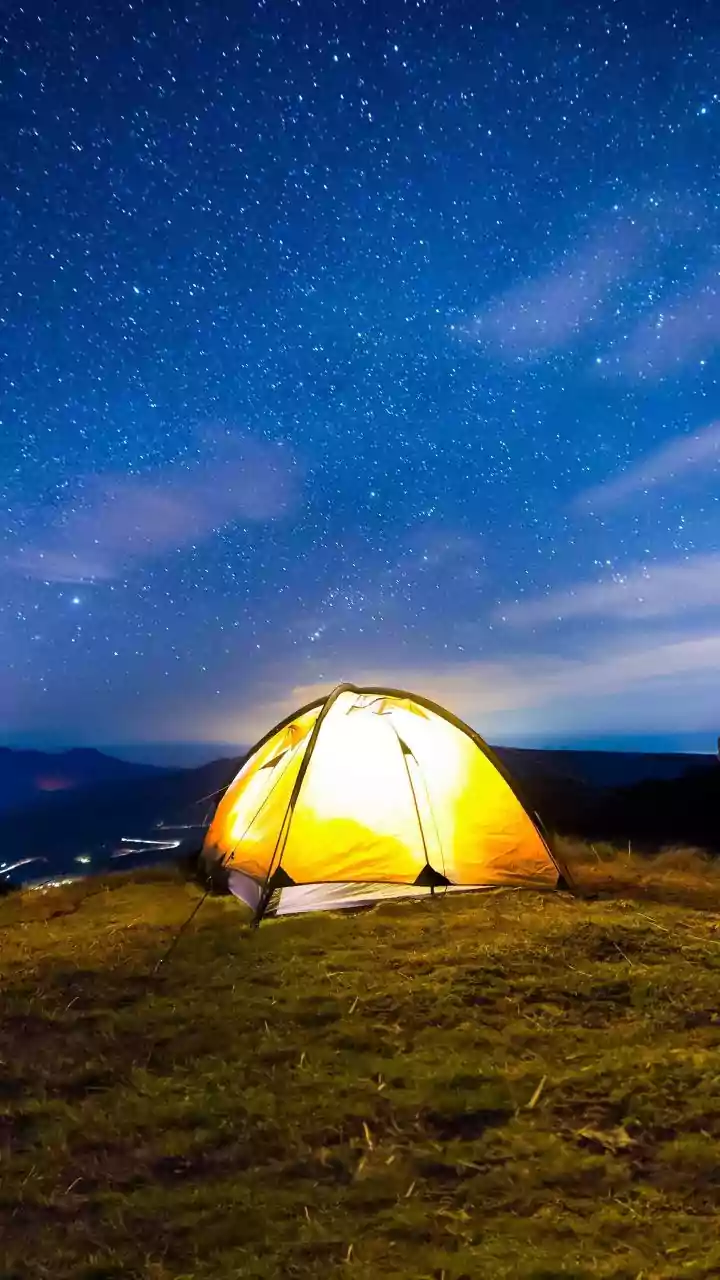
The gateway to Nagaland is Dimapur, which has the state's only airport and major railway station. From Dimapur, it's a scenic two-to-three hour drive to Kohima. Due to the festival's immense popularity, it is crucial to book flights, trains, and accommodation months in advance. Accommodation options range from hotels and guesthouses in Kohima to homestays in nearby villages like Kigwema, which offer a more immersive cultural experience. For the adventurous, several operators set up tented camps near the festival grounds. Staying closer to Kisama can save you from the heavy traffic between Kohima and the venue during festival days.
Essential: The Inner Line Permit (ILP)
All domestic tourists from outside Nagaland must obtain an Inner Line Permit (ILP) to enter the state. This is a mandatory requirement under the Bengal Eastern Frontier Regulation of 1873. Thankfully, the process is now available online through the official government portal at ilp.nagaland.gov.in. To apply, you'll need a passport-sized photograph and a copy of a valid ID like an Aadhaar Card or PAN card. The tourist ILP typically costs around ₹200, is valid for 30 days, and is usually processed within a day or two. It's also possible to obtain the permit in person from Nagaland House offices in major cities like Delhi, Kolkata, and Guwahati.