

A Different World of Flavour
The cuisine of Northeast India, encompassing eight states, is a vibrant tapestry of tastes that often surprises the uninitiated. Unlike the spice-heavy dishes popular in other parts of the country, its flavour profiles are built on simplicity, freshness,
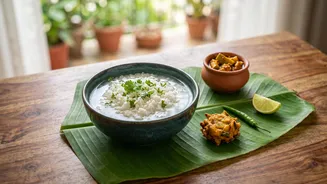
and techniques like smoking and fermenting. Cooking methods favour steaming, boiling, and smoking over frying, resulting in food that is light, healthy, and allows the core ingredients to shine. Central to this culinary identity are rice as a staple and a host of unique, locally sourced ingredients that give the dishes their unmistakable character.
The Soul of Flavour: Fermentation
One of the most defining characteristics of Northeastern food is the artful use of fermentation. This technique is not just for preservation but is a primary source of deep, savoury, umami flavours. Perhaps the most famous fermented ingredient is Axone, or Akhuni, a fermented soybean product from Nagaland. With a powerful, pungent aroma and a rich taste, it is the heart of many pork, fish, and vegetable curries and chutneys. The name itself comes from the Sumi dialect, where 'axo' means smell and 'ne' means strong. Fermented fish, known as 'ngari' in Manipur, and various leafy greens also undergo fermentation, adding complex flavour notes that are central to dishes like Manipur's classic 'Eromba', a mash of boiled vegetables and chilli.
The Fiery Pride: Bhoot Jolokia
No discussion of Northeastern ingredients is complete without mentioning the legendary Bhoot Jolokia, or ghost pepper. Once holding the title for the world's hottest chilli, this pepper, which grows in Assam, Nagaland, and Manipur, is more than just a source of intense heat. It possesses a distinctively fruity and smoky flavour that, when used correctly, elevates a dish rather than overwhelming it. It is used fresh or dried to add a fiery kick to curries, pickles, and chutneys. In many households, a single chilli is enough to flavour a large pot of curry, showcasing its formidable potency. From chicken and pork dishes to even vegetarian mashed potatoes, the ghost pepper adds a signature warmth that is beloved across the region.
The Ubiquitous Bamboo Shoot
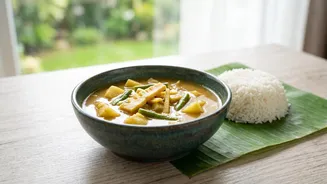
Bamboo is inextricably linked to the sociocultural and culinary fabric of the Northeast. The tender, young shoots, harvested during the monsoon, are a delicacy enjoyed in nearly every state. They are incredibly versatile and can be eaten fresh, dried, or, most popularly, fermented. Each state has its own name and method for it: 'khorisa' in Assam, 'soibum' in Manipur, and 'bastenga' in Nagaland. Fermented bamboo shoot imparts a tangy, pungent flavour that pairs exceptionally well with the richness of pork and fish. Whether in a Mizo vegetable stew called 'Bai' or an Assamese sour fish curry ('Masor Tenga'), the distinct taste of bamboo shoot is a hallmark of the region's food.
Greens from the Wild
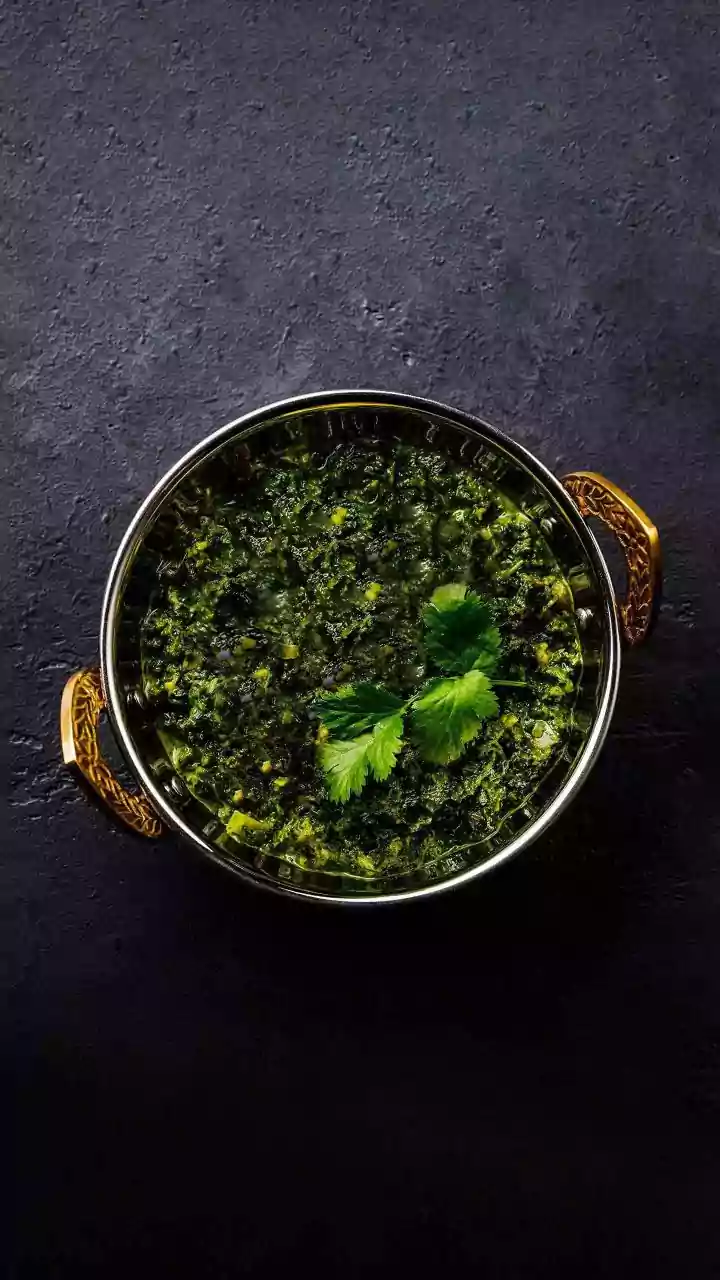
The region's deep connection with nature is evident in its use of foraged vegetables and wild herbs. Local markets are often filled with an array of greens that are not cultivated but handpicked from forests and hillsides. Fiddlehead ferns, known as 'dhekia xaak' in Assam, are a seasonal favourite, often stir-fried simply with garlic and chilli to preserve their crisp texture and fresh taste. Other ingredients like banana flowers, colocasia leaves, and a variety of unique local herbs provide flavours ranging from bitter to tangy, adding another layer of complexity to the cuisine and reflecting a diet that is truly in sync with the seasons.
A Cuisine in the Spotlight
For years, the unique flavours of the Northeast remained one of India's best-kept culinary secrets. However, that is rapidly changing. A growing curiosity for regional and authentic food experiences has brought this cuisine into the national spotlight. Restaurants and pop-ups in major Indian cities, and even abroad, are now proudly showcasing dishes like smoked pork with axone and bamboo shoot curries. Chefs from the region are creatively reinterpreting traditional recipes, making them more accessible while preserving their authentic soul, and proving there is so much more to Northeastern food than just the ghost pepper.