






A Tale of Two Odysseys
Christopher Nolan, the acclaimed director behind hits like 'Oppenheimer' and 'Inception', is releasing his latest spectacle, 'The Odyssey'. Shot on IMAX cameras with a star-studded cast including Matt Damon, it represents the pinnacle of Hollywood's big-budget
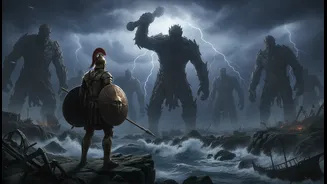
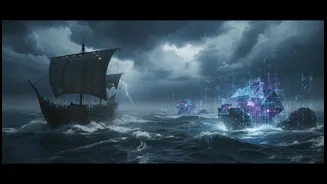
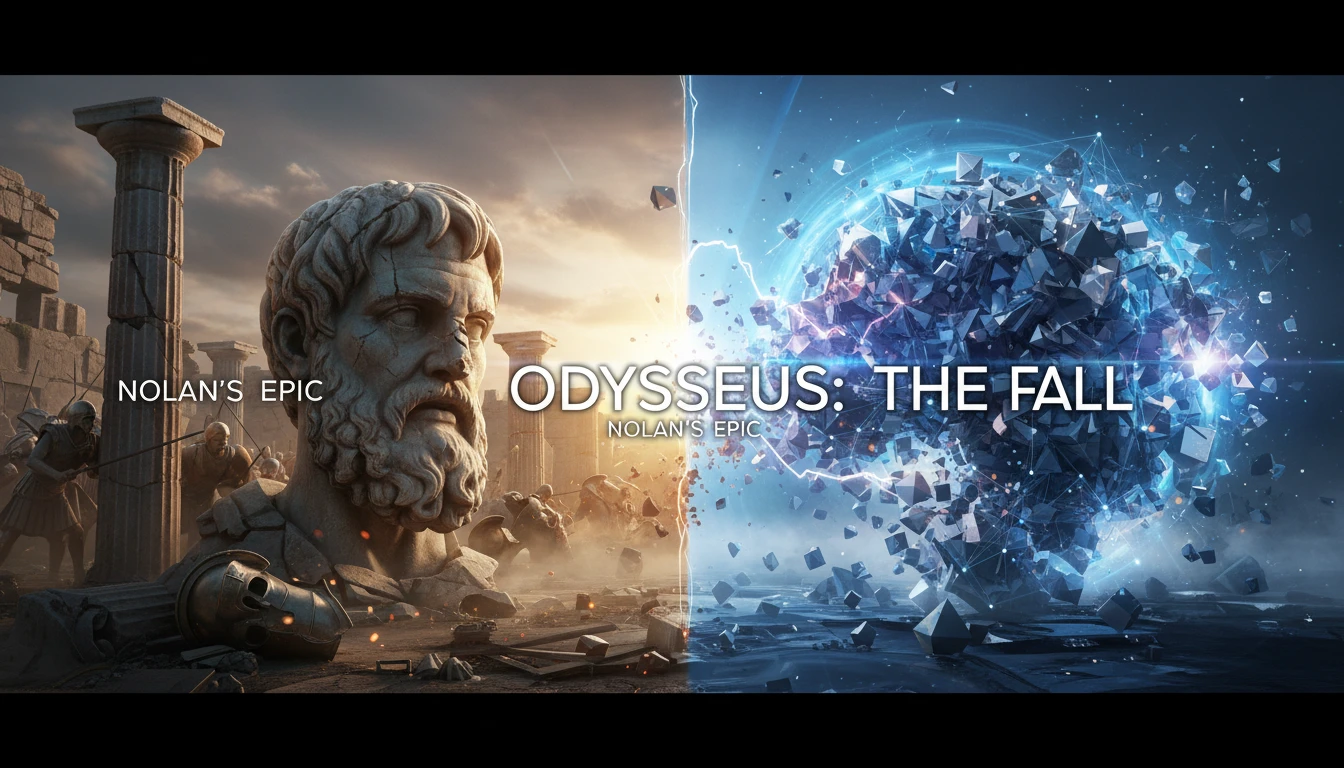
studio model. Simultaneously, another version of the ancient Greek tale is making waves for entirely different reasons. Titled 'Odysseus: The Fall', this 135-minute feature was created not with a crew of thousands, but with artificial intelligence. The contrast could not be starker: a multi-million dollar epic versus a film made for a tiny fraction of the cost, created by one person in just a few months. This direct comparison is no accident; it’s a calculated move designed to start a conversation.
Cinema Engineered by Algorithm
The force behind this AI experiment is Fountain 0, an AI film studio co-founded by director Ash Koosha. He created 'Odysseus: The Fall' over three months of part-time work, with a budget reportedly in the mid-five figures—mostly for cloud computing credits. Koosha used generative AI tools like the video model Kling, alongside his studio's own proprietary software, to generate the film's visuals. The screenplay itself wasn't a traditional script but a series of notes, giving Koosha the flexibility to shape the narrative as the AI generated the imagery. The result is a feature-length film produced at a speed and cost that are simply impossible within the traditional studio system. This isn't Fountain 0's first foray into AI cinema; their film 'Dreams of Violets' was the first fully AI-generated movie to be accepted into the prestigious Tribeca Film Festival earlier this year.
A Deliberate Disruption
Fountain 0's executive producer, Tom Rogers, has been open about their strategy. By releasing 'Odysseus: The Fall' alongside Nolan's blockbuster, they want audiences to compare the two and understand the new possibilities AI brings to filmmaking. Their goal is to demonstrate that artificial intelligence can democratize the creation of ambitious films, freeing storytellers from the need for nine-figure budgets and the backing of a major studio. Koosha hopes that his version might even attract audiences who are curious to see “the ultimate in human creation and compare it to one man's collaboration with AI.” The project is less a direct competitor and more a proof of concept, a clear signal that the barriers to entry for feature filmmaking are beginning to crumble.
Artistry or 'AI Slop'?
The reaction from the creative community has been sharply divided. Critics have labelled 'Odysseus: The Fall' as “AI slop” and a gimmick, arguing it lacks the human touch that defines true art. Director Christopher Nolan himself has been skeptical, praising younger audiences for rejecting what he calls machine-generated content. However, other industry titans see things differently. 'Star Wars' creator George Lucas, a pioneer in digital filmmaking, called AI “the future,” comparing fears about it to resisting the invention of the automobile. He argues that technology is just a tool, and what ultimately matters is the emotional core of the story. This debate gets to the heart of a difficult question: Is AI a tool that empowers artists, or a machine that replaces them?
What This Means for India's Film Industry
This disruption is not just a Hollywood issue. The Indian film industry, from Bollywood to regional powerhouses, is also built on a model of big budgets, major stars, and large production crews. The technology used to create 'Odysseus: The Fall' could be a game-changer for independent Indian filmmakers, allowing them to tell epic stories without needing a massive production house. It could enable a new wave of creativity, bringing diverse and regional tales to a wider audience. At the same time, it poses a significant challenge to the established order. The thousands of people employed in India's film industry—from junior artists to set designers and VFX professionals—could see their roles transformed or threatened by this technology, sparking similar debates about job security and the value of human craftsmanship.