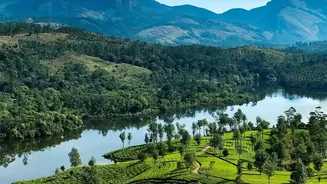






What is Responsible Tourism?
At its core, Kerala's approach to tourism is guided by a simple but powerful mantra: make places better for people to live in, and in turn, they become better places for people to visit. Officially launched as the Responsible Tourism (RT) Mission in 2017,
the initiative is built on a 'triple-bottom-line' of economic, social, and environmental responsibility. This isn't about mass tourism that often sees profits leak out of local areas. Instead, it focuses on creating deep-rooted connections between the tourism industry and local communities. The goal is to ensure that the economic benefits of tourism flow directly to farmers, artisans, and small-scale entrepreneurs, fostering a more equitable and sustainable ecosystem. By prioritising community participation and preserving local culture and environments, the model aims to create a more authentic and meaningful experience for travellers and a more prosperous life for residents.
From Policy to People
The success of Kerala's model lies in its practical, on-the-ground initiatives that move beyond theory. The state has developed 'Village Life Experience' packages where tourists can engage in activities like coir-making, toddy tapping, and walking through paddy fields, guided by locals. This creates direct income for residents and offers visitors a genuine cultural immersion. The mission has also established online platforms to connect the tourism sector with local resources, including directories for homestays, cultural performers, and local produce suppliers, ensuring hotels and resorts can source their needs locally. One of the key drivers of this grassroots engagement is the involvement of Kudumbashree, Kerala's renowned women's empowerment and poverty eradication mission. These self-help groups manage everything from local food experiences to producing vegetables for hotels, ensuring women are at the heart of this economic transformation.
Empowering Women and Local Communities
A defining feature of Kerala's model is its focus on inclusivity, particularly the empowerment of women. According to official figures, of the more than 26,000 units engaged in village tourism activities, over 18,000 are run by women. This has created unprecedented opportunities for female entrepreneurship in rural areas. In partnership with UN Women, the state has launched women-friendly tourism projects, making Kerala a safer and more welcoming destination for female travellers while putting women in charge as guides, hosts, and tour operators. This focus extends to preserving traditional livelihoods. The RT Mission actively promotes local artisans and cultural performers, giving them a platform to showcase their skills and earn a living, thus protecting cultural heritage that might otherwise fade.
A Globally Recognised Blueprint
The world has taken notice of Kerala's innovative approach. The Responsible Tourism Mission has won a host of prestigious international awards, cementing its status as a global benchmark. In recent years, it has received accolades at the World Travel Market (WTM) in London for its projects on water conservation and for its women-inclusive initiatives. It also won the Global Responsible Tourism Award in 2023 for its success in linking local food and craft producers to the tourism market. National awards have also poured in, with destinations like Kumarakom and Kadalundi being recognised as the country's best in agri-tourism and responsible tourism respectively. These honours are not just trophies; they validate the core idea that tourism can be a powerful force for good, creating sustainable livelihoods and equitable growth.