


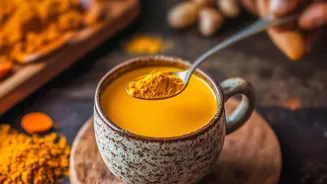
The Golden Duo of the Indian Kitchen
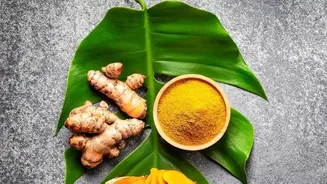
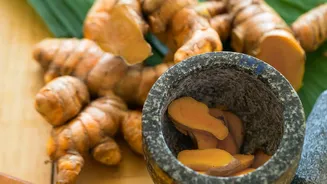
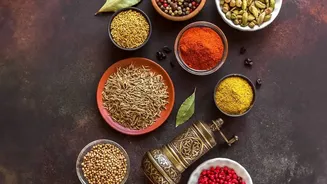
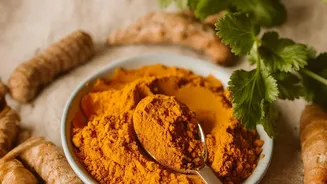
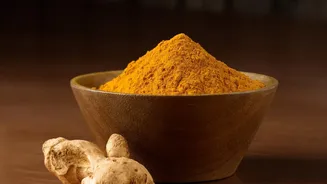
For thousands of years, turmeric and ginger have been more than just spices in India; they are a cornerstone of daily life. From the vibrant yellow hue turmeric lends to dals and curries to the sharp, warming kick of ginger in chai and marinades, their
presence is a given. This culinary tradition is deeply intertwined with Ayurvedic wisdom, where both are revered as “Maha Aushadhi,” or superior medicines. Ayurveda has long celebrated them for their ability to support digestion, reduce inflammation, and purify the body. Ginger is traditionally used to stimulate 'agni' (digestive fire), while turmeric is valued for its cleansing properties. This ancient knowledge, passed down through generations, forms the foundation of our trust in these powerful rhizomes.
What Does Modern Science Say?
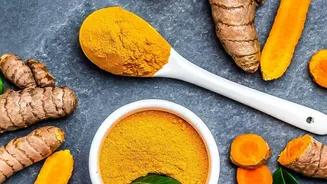
Modern research has started to validate what traditional practices have known for centuries. The magic lies in their active compounds: curcumin in turmeric and gingerol in ginger. Studies confirm these compounds possess potent anti-inflammatory and antioxidant properties. Ginger has been shown to be effective in reducing nausea and aiding digestion, while curcumin is studied for its potential to manage pain and inflammation, particularly in conditions like osteoarthritis. Together, they can have a synergistic effect, meaning they work even better in combination, offering enhanced support for immune function and digestive wellness. This scientific backing has propelled them from the spice box to the global wellness stage, celebrated for their evidence-based health benefits.
The Critical Difference: Food vs. Supplements
Here is where the crucial distinction lies. The pinch of turmeric in your sabzi is not the same as a concentrated curcumin capsule. The key factor is bioavailability—how much of a substance your body can actually absorb and use. Curcumin on its own is poorly absorbed. However, Indian cooking intuitively solved this problem long ago. Consuming turmeric with black pepper, which contains piperine, can increase curcumin absorption by up to 2000%. The natural oils and fats in our food also aid this process. Supplements often contain highly concentrated, isolated extracts designed for a specific therapeutic effect. While a sprinkle of spice contributes to overall wellness as part of a balanced diet, it doesn't deliver the potent, targeted dose found in a supplement formulated for medical purposes.
The Risks of Self-Prescribing
Viewing these spices as a replacement for medical treatment can be dangerous. The wellness industry often promotes high-dose supplements as a natural cure-all, but “natural” does not always mean risk-free. Extremely high doses of turmeric and ginger supplements have been linked to significant side effects. These can range from digestive issues like stomach upset and heartburn to more serious concerns like blood thinning and, in rare but documented cases, liver injury. People taking blood-thinning medications or those with gallbladder or liver issues should be particularly cautious. Relying on supplements to treat a condition without a doctor's guidance can delay proper diagnosis and treatment, potentially worsening health outcomes.
Embracing a Balanced Approach
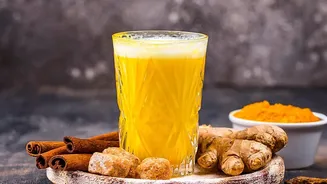
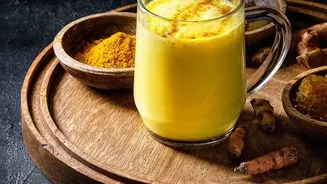
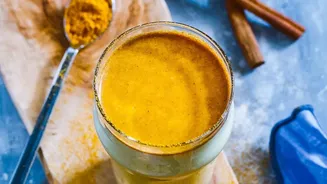
The healthiest way to enjoy turmeric and ginger is to embrace them as the wonderful foods they are. Continue to use them generously in your daily cooking. Add a knob of fresh ginger to your morning tea or grate it into stir-fries. Ensure your curries and dals have that beautiful golden glow from turmeric, and always add a pinch of black pepper to unlock its full potential. This food-first approach allows you to benefit from the whole plant, including hundreds of other compounds that work in synergy, not just the isolated active ingredient. If you are considering taking a high-dose supplement for a specific health concern, it is essential to treat it like any other medicine and consult with a healthcare professional first. They can advise on the right dosage and ensure it doesn’t interact with any other medications you might be taking.