


The Hype: 'Nature's Botox'
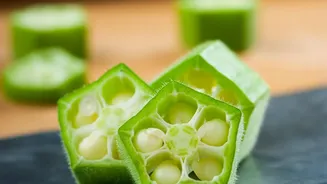
The trend involves soaking chopped okra (also known as bhindi or lady's finger) in water overnight to extract its gel-like substance, called mucilage. This okra water is then applied to the face as a mask or toner. On platforms like TikTok, users claim
the concoction provides intense hydration, reduces wrinkles, calms acne, and leaves skin with a radiant glow. Some have even dubbed it "nature's Botox" for its supposed ability to firm and tighten the skin. The appeal is understandable: it’s a simple, affordable, and 'natural' DIY remedy using a common kitchen vegetable.
The Science: What's in Okra?
There's a reason for the hype, and it lies in okra's composition. Okra is rich in vitamins A and C, which are known to support skin health. Vitamin C is an antioxidant that helps fight free radical damage and is crucial for collagen production, the protein that keeps skin firm and elastic. The star ingredient, however, is the mucilage. This plant-based gel is a polysaccharide that is excellent at retaining water. When applied topically, mucilage can form a protective film over the skin, helping to lock in moisture and provide a temporary soothing and softening effect, much like aloe vera gel. It also has anti-inflammatory properties that can help calm irritated skin.
The Reality: A Dermatologist's Perspective
While okra contains skin-friendly components, dermatologists advise caution. The primary issue is the lack of scientific studies on applying okra water directly to the face. The benefits associated with its vitamins are typically linked to consumption, not topical application. Dr. Rinky Kapoor, a consultant dermatologist, notes that while the ingredients in okra are beneficial when eaten, there's no evidence to support the claims made by the viral trend. Furthermore, the concentration of active compounds in a homemade concoction is unknown and unstable. Commercial skincare products are formulated to ensure stability, proper penetration, and effectiveness, something a DIY mask cannot guarantee.
The Risks of DIY Skincare
As with any DIY skincare trend, there are potential risks. Applying raw vegetable matter to your face can introduce bacteria and mould, especially if the mixture isn't fresh. This can lead to breakouts or infections. Dr. Kapoor also warns that the fibrous content in raw okra might cause allergic reactions or skin sensitivity, particularly for those with acne-prone or sensitive skin. While many sources say okra water is gentle, using any new ingredient without a patch test can be risky. Other DIY trends, like using lemon juice or baking soda, have shown that 'natural' does not always mean safe for your skin's delicate pH balance.
Proven Alternatives for Glowing Skin
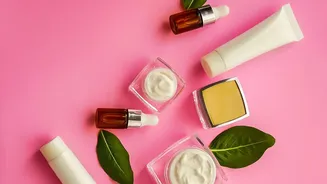
If you're seeking the benefits promised by okra water, there are safer, more effective options backed by science. For hydration and a supple feel similar to what mucilage provides, look for products with hyaluronic acid or glycerin. For the antioxidant and collagen-boosting effects of Vitamin C, a formulated Vitamin C serum is a much more reliable choice. For anti-aging and skin-firming benefits, retinoids and peptides are considered gold-standard ingredients by dermatologists. If you're interested in brightening your skin tone, ingredients like niacinamide, azelaic acid, and kojic acid are proven to be effective.