


A Bridge to the Future
For years, the narrative around electric vehicles has been one of compromise for traditional SUV enthusiasts. Concerns about range, charging infrastructure, and, most critically, a loss of rugged capability have kept many from making the switch. Land
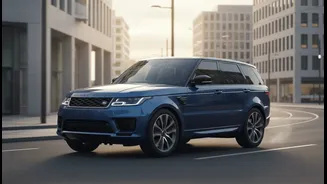
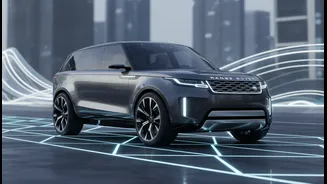
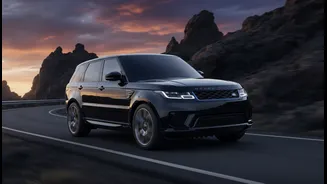
Rover is positioning its upcoming late-2026 Range Rover Electric as the definitive rebuttal to these doubts. The strategy is simple yet bold: build a vehicle that is a Range Rover first and an electric vehicle second. By refusing to sacrifice the brand’s core tenets of luxury, status, and go-anywhere performance, the company hopes to tempt its loyal customer base into the electric era. This isn't about creating a niche EV; it's about making the brand's flagship future-proof.
No Compromise on Capability
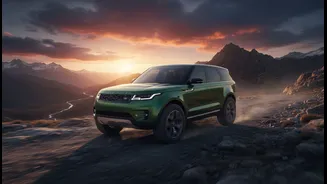
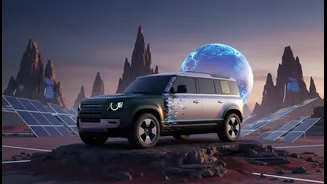
The most significant hurdle for an electric Land Rover is proving its off-road mettle. The brand's identity is forged in mud, rock, and sand, and any electric version must live up to this legacy. Prototypes of the Range Rover Electric have undergone extreme testing in climates from -40°C in the Arctic to scorching deserts, ensuring durability. The company has confirmed its first EV will feature performance comparable to the current V8 models, with a dual-motor setup providing instant torque—a significant advantage for controlled off-road manoeuvres. Furthermore, it is being engineered to wade through up to 850mm of water, a benchmark that aims to silence any questions about its all-terrain readiness. This focus on capability is a direct appeal to buyers who use their SUVs for more than just the school run.
The Luxury of Silence
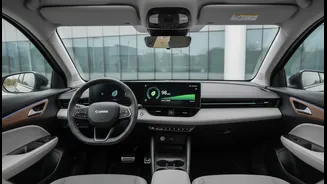
While capability is crucial, luxury is what defines the Range Rover experience. Here, electrification offers a distinct advantage. An electric powertrain eliminates engine noise and vibration, creating a serene cabin environment that internal combustion engines struggle to match. Land Rover is leaning into this, developing advanced active road noise cancellation technology to make the Range Rover Electric its quietest vehicle ever. This silent operation, combined with smooth, linear acceleration, elevates the sense of luxury and refinement. The interior is expected to feature sustainable, high-end materials, aligning the vehicle's eco-credentials with its luxury positioning. For buyers who value comfort and tranquillity above all, the electric model presents a compelling upgrade.
The Tata Motors Connection
For the Indian market, the story of the electric Range Rover is also a story about Tata Motors. As the parent company of Jaguar Land Rover (JLR), Tata is making a multi-billion-pound investment into its 'Reimagine' strategy, which places electrification at its core. The technological advancements and brand prestige associated with the Range Rover Electric will undoubtedly have a halo effect on Tata's broader automotive ambitions. While JLR has adjusted some of its local manufacturing plans, the global launch of such a flagship EV strengthens the group's position in the premium market. For discerning Indian buyers, the vehicle represents the pinnacle of a global brand with strong domestic ties, making it a point of both aspiration and pride.
Addressing Practical Concerns
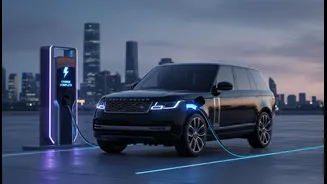
Land Rover understands that even the most luxurious EV is impractical without solid charging support. The Range Rover Electric will be built on an 800-volt architecture, allowing for ultra-fast DC charging that can add significant range in under 30 minutes. To combat range anxiety further, JLR has been expanding its charging network access, recently hitting over one million charging points in Europe through various partnerships. This focus on building a convenient ecosystem around the vehicle is designed to give traditional buyers the confidence to make the leap, ensuring their experience is seamless from the moment they leave their driveway.