

The Protein Puzzle
Protein is essential for muscle repair and overall body function. While meat is a well-known source, many believe it's difficult to get 'complete' proteins—those containing all nine essential amino acids—from plants. This isn't true, but it does require
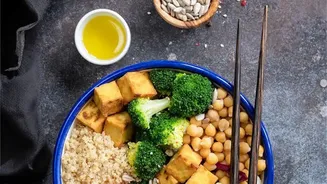
some thought. Foods like quinoa, soy products (tofu, tempeh, edamame), and buckwheat are complete proteins on their own. Another effective strategy is protein combining. Classic pairings like rice and beans or hummus and pita bread work together to provide all essential amino acids. For example, grains are often low in the amino acid lysine, while legumes like lentils and chickpeas are rich in it; together, they form a complete protein. There's no need to eat them in the same meal, but consuming a variety of these foods throughout the day ensures you meet your needs.
Mind the Iron Gap
Iron is crucial for transporting oxygen in your blood, and a deficiency can lead to fatigue. Plant-based foods contain non-heme iron, which isn't as readily absorbed as the heme iron found in animal products. However, you can easily boost your intake. Excellent plant sources include lentils, chickpeas, beans, tofu, quinoa, and dark leafy greens like spinach. The trick is to pair these foods with a source of Vitamin C, which significantly enhances absorption. Think a squeeze of lemon over your dal, bell peppers in your tofu stir-fry, or a side of citrus fruit with your iron-fortified breakfast cereal. It's also wise to avoid drinking coffee or tea with iron-rich meals, as they can inhibit absorption.
The Vitamin B12 Challenge
Vitamin B12 is vital for nerve function and the creation of red blood cells. This is one nutrient that is almost exclusively found in animal products, so it's a genuine point of concern for vegetarians, and especially vegans. Lacto-ovo vegetarians can get some B12 from eggs and dairy products, but often not enough to meet daily requirements. For this reason, reliable sources are essential. Look for B12-fortified foods such as plant-based milks (soy, almond, oat), breakfast cereals, and nutritional yeast, which has a cheesy, nutty flavour and is great sprinkled over pasta or popcorn. For many, a B12 supplement is the most reliable way to prevent a deficiency.
Sourcing Omega-3 Fatty Acids
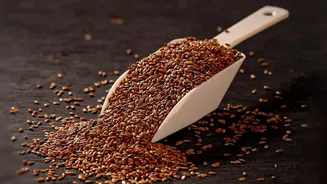
Omega-3 fatty acids are important for brain health. While fatty fish are famous for their high omega-3 content, vegetarians can get their fill from plant sources that provide a type of omega-3 called ALA (alpha-linolenic acid). Your body can convert ALA into other beneficial omega-3s, though the process is inefficient. To ensure you're getting enough, regularly include foods like flaxseeds (ground is best for absorption), chia seeds, walnuts, and hemp seeds in your diet. Just one tablespoon of ground flaxseed or a small handful of walnuts can make a significant contribution to your daily needs. Algal oil, derived from algae, is a plant-based source of the same types of omega-3s found in fish (EPA and DHA) and is available as a supplement.
Calcium and Vitamin D: The Bone-Building Duo
Calcium is synonymous with strong bones and teeth, and vitamin D is its essential partner, helping your body absorb it. While dairy is a major source of calcium, many plant foods are also rich in it. Good sources include fortified plant milks, calcium-set tofu, leafy greens like broccoli and kale (but not spinach, whose calcium isn't well absorbed), pulses, and tahini (sesame seed paste). Vitamin D is a bit trickier, as it's not naturally present in many foods. Our bodies produce it when our skin is exposed to sunlight. However, especially in autumn and winter, getting enough sun can be difficult. Fortified foods like plant milks, some breakfast cereals, and fat spreads can help, but many health bodies recommend that everyone, not just vegetarians, consider a vitamin D supplement during the darker months to maintain healthy levels.