




What Is Facial Layering?
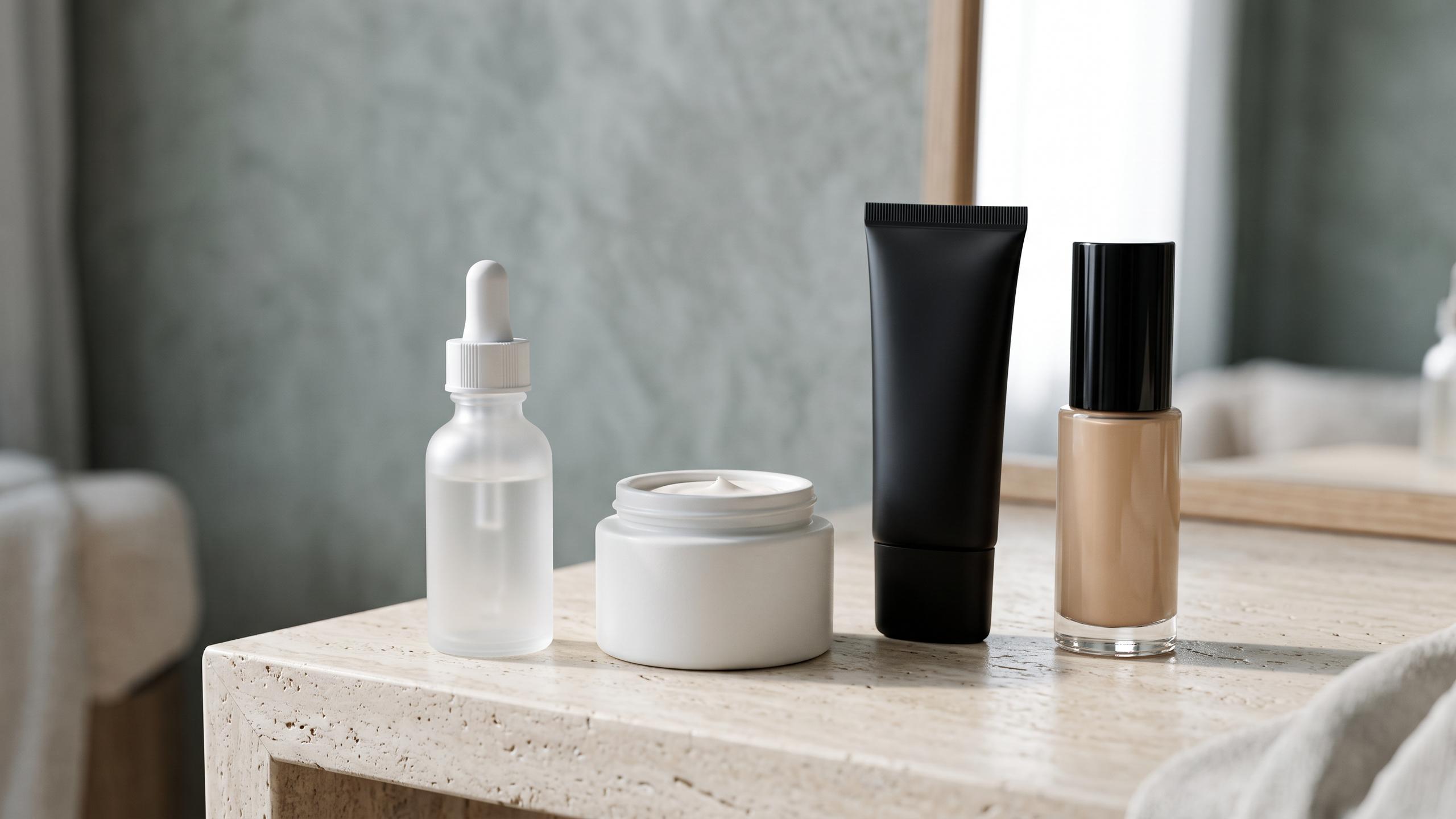
Facial layering is the practice of applying skincare products in a specific sequence to maximise their benefits. The core principle is to go from the thinnest texture to the thickest. This allows lightweight, water-based formulas like essences and serums
to penetrate the skin effectively before richer creams and oils are applied on top to seal everything in. When done correctly, this method ensures each product can perform its intended function without being blocked by a heavier layer. However, the most common pitfall is not the sequence, but the quantity. Using too much of any one product is the fastest way to a tacky, uncomfortable finish.
The Cardinal Rules of Quantity
More is not always more in skincare. Using excessive amounts of product doesn't increase effectiveness; it often just leads to waste and that dreaded heavy feeling. One of the most common signs you've overdone it is 'pilling'—when products form tiny, eraser-like balls on your skin. This happens when the skin can no longer absorb the excess product, causing it to roll off with the friction of your fingers. To avoid this, remember that for most concentrates, a little goes a long way. Another key tip is to pause between layers. Giving each product 30 to 60 seconds to settle and absorb can dramatically reduce pilling and help your skin feel less overwhelmed.
Serums and Treatments: The Pea-Sized Drop
Serums are potent, concentrated formulas designed to deliver active ingredients deep into the skin. Because of their high concentration, you only need a very small amount. A single pea-sized amount, or even just 2-3 drops, is typically sufficient for the entire face and neck. Applying more than this won't accelerate your results. Instead, the excess product will simply sit on the surface, contributing to stickiness and preventing subsequent layers from absorbing properly. When applying, gently pat the serum into your skin rather than rubbing aggressively, which can cause friction and pilling.
Moisturiser: A Small Coin's Worth
The job of a moisturiser is to hydrate the skin and lock in the serums you've applied beforehand. While it might be tempting to slather it on, especially if your skin feels dry, a controlled amount is more effective. Aim for a dollop roughly the size of a small coin or an almond. This should be enough to cover your face and neck in a thin, even layer. If your skin still feels tight after application, you may need a richer formula rather than a larger quantity of a light one. Conversely, if you have oily skin, you might find that an even smaller amount is sufficient.
The Exception: Sunscreen
Sunscreen is the one step in your routine where you should not skimp. To achieve the Sun Protection Factor (SPF) advertised on the bottle, you must apply a generous amount. The widely recommended quantity for the face and neck is about a quarter-teaspoon, which often translates to the 'two-finger rule'—squeezing a line of sunscreen along the length of your index and middle fingers. While this might feel like a lot compared to your other products, under-applying significantly reduces your protection from UV damage. Apply it as the absolute final step of your morning skincare, allowing it a few minutes to set before applying makeup to prevent pilling.