



What Caused This New Threat?
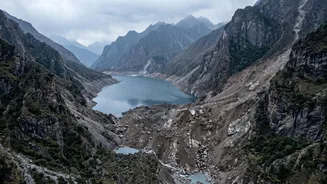
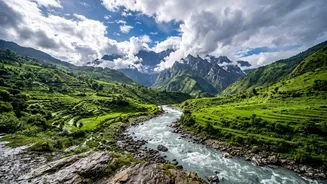
The immediate cause of the new flood risk is a significant landslide in the high-altitude Lende Khola region of Nepal, near the border with Tibet. This mass of rock and debris has blocked the Lende River, which is a tributary of the larger Bhotekoshi
River system. As water from the river backed up behind this unstable, natural dam, it formed a large and growing lake. Scientists and disaster management officials are monitoring the size and stability of this lake, which formed in the wake of a catastrophic ice-rock avalanche on August 26 that triggered devastating flash floods. The concern is that the debris wall could fail under the pressure of the impounded water, leading to a sudden and destructive outburst flood.
How Dangerous Is the Lake?
Landslide-dammed lakes are inherently unstable and pose a severe risk. The danger lies in the potential for a sudden breach of the debris wall, which can release an enormous volume of water in a very short time. Early estimates of one such lake formed after the initial disaster suggested it held over 2 million cubic metres of water. While one lake that formed has since largely drained, authorities have warned that another crater holding an estimated 1.4 million cubic metres of water still poses a risk and requires close monitoring. The energy from such an outburst flood can be immense, creating a torrent of water, mud, and boulders that destroys everything in its path. Nepal's Department of Hydrology and Meteorology, along with international partners, is using satellite imagery and other available data to assess the lake's volume and the dam's stability. The situation is complicated by ongoing monsoon rains, which could further increase the lake's volume and destabilize the fragile dam.
Which Areas Are at Risk?
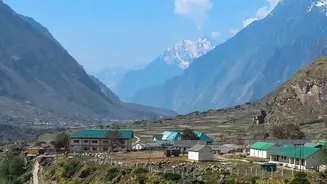
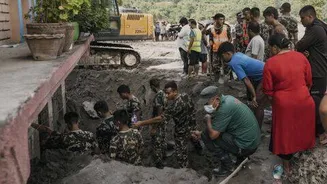
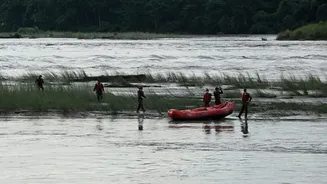
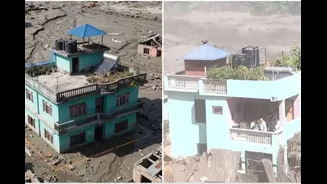
Communities located downstream along the Lende and Bhotekoshi rivers are on high alert. The primary area of concern is the Bhotekoshi Rural Municipality in the Sindhupalchok district, a region that has historically been vulnerable to floods and landslides. Authorities have issued warnings for settlements all the way down to the Trishuli River, into which the Bhotekoshi flows. These alerts, sometimes sent directly to residents' mobile phones, urge people to move to higher ground and remain vigilant. The region is still recovering from the catastrophic flash floods of August 26, which destroyed homes, bridges, and critical infrastructure, including parts of the highway connecting Kathmandu to the Chinese border. The new threat from the Lende River lake has forced a halt to some rescue and recovery operations, compounding the crisis for already devastated communities.
What Are Authorities Doing?
Nepalese authorities, including the National Disaster Risk Reduction and Management Authority, are in a race against time. The primary response involves intensive monitoring of the lake and the debris dam. There is close coordination with Chinese authorities, who are providing information on water flows from upstream in Tibet. Evacuation orders are in place for the most vulnerable areas, and security forces are on standby to assist with rescue and relief efforts should the dam breach. However, the remote and rugged terrain makes direct intervention—such as creating a controlled channel to drain the lake—extremely challenging. For now, the focus remains on early warnings and moving people out of harm's way while hoping the dam holds or releases water gradually.
A Familiar Danger in the Himalayas
This event is not an isolated incident but part of a recurring pattern of climate- and geology-driven disasters in the Himalayas. The region's fragile mountains, steep valleys, and intense monsoon rains make it a global hotspot for landslides. Scientists note that climate change is exacerbating these risks, with warming temperatures leading to the melting of glaciers and permafrost, which can destabilize mountain slopes. The initial disaster on August 26 was itself triggered by a massive ice-rock avalanche, a phenomenon that registered with the force of a magnitude 5.2 earthquake. Events like the formation of the Lende River lake are a stark reminder of the cascading and cross-border risks faced by millions living in the Himalayan region, highlighting the urgent need for enhanced regional cooperation on disaster monitoring and early warning systems.