




The Rise of the ‘Meat’ Substitute
Walk down any supermarket aisle and you'll see it: tofu in various firmness levels, soy chunks marketed as 'mock meat', and a growing array of plant-based products promising to fill a perceived protein gap. For many, especially younger generations and those
influenced by global health trends, these have become the default answer to the question, “But where do you get your protein?” The logic is simple. Soy is a complete protein, containing all nine essential amino acids. Soya chunks, in their dry form, contain a staggering 52 grams of protein per 100 grams. Tofu is a versatile, low-fat alternative to paneer. These are not insignificant benefits, and for those transitioning away from meat or seeking vegan options, they are undeniably useful.
Our Abundant Culinary Heritage
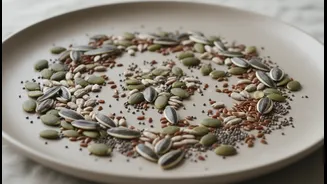
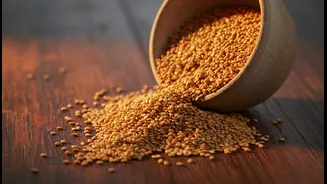
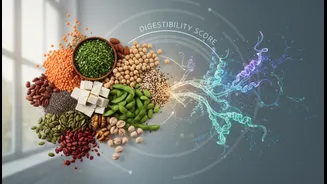
The issue isn’t the existence of soy products, but the implication that they are a necessary upgrade. This notion overlooks the profound depth and nutritional wisdom of traditional Indian vegetarianism. For centuries, Indian kitchens have masterfully combined ingredients to create complete proteins without a block of tofu in sight. Our protein sources are not solitary stars but a brilliant constellation. We have lentils (dal) in countless varieties, from toor to moong to urad, forming the backbone of daily meals. We have legumes like chickpeas (chana) and kidney beans (rajma), which are staples in every region. Then there is paneer, the beloved fresh cheese, which provides around 18 grams of protein per 100g serving. Add to this the protein found in whole grains, nuts, seeds like pumpkin and sesame, and even vegetables like peas, and a very different picture emerges.
It’s a Question of Philosophy
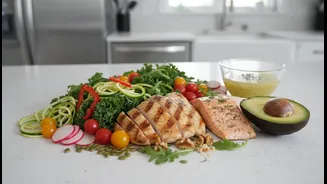
The pressure to have a single, dominant 'centrepiece' on a plate is largely a Western culinary concept, structured around a main piece of meat. Indian cuisine operates on a different, more integrated philosophy. Think of a traditional thali: it’s a balanced universe on a plate. The protein isn't just one item; it's in the dal, the vegetable stir-fry (poriyal), the curd (dahi), and even the whole-wheat roti. No single dish needs to function as a direct 'substitute' for meat because the meal was never designed to have a hole that needed filling. Tofu and soy chunks often fall into this 'substitute' trap, trying to mimic the texture and role of meat or paneer. However, many find tofu's texture rubbery or its taste bland compared to the familiar softness of paneer, which readily absorbs spices.
Embrace the Diversity
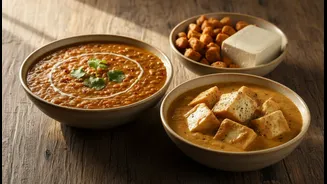
This isn’t a declaration of war on soy. Tofu bhurji can be delicious, and soy chunks in a curry can be a satisfying meal. The point is one of perspective. We should view them as what they are: additional options in an already vast and varied culinary landscape, not the compulsory cornerstones of a modern vegetarian diet. Choosing to build a meal around dal makhani, chana masala, or palak paneer is not a nutritional compromise. It is, in fact, an embrace of a time-tested, flavourful, and deeply intelligent approach to food that has nourished millions for generations. A well-planned Indian vegetarian diet, using its wealth of traditional ingredients, can easily meet daily protein requirements without relying on a single, trendy source.