





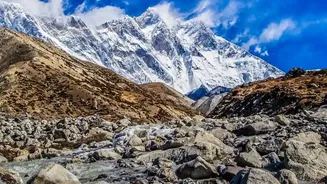
The Quiet Crisis in the High Mountains
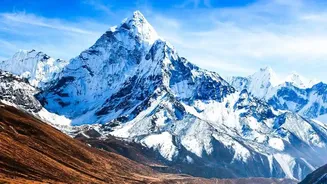
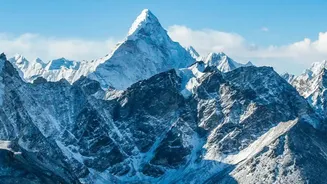
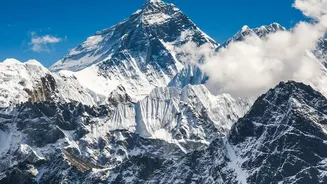
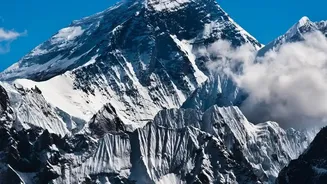
The Hindu Kush Himalaya region holds the largest volume of ice outside the polar caps, acting as a crucial water source for nearly two billion people. But this frozen reservoir is in retreat. Landmark reports in 2026 from the International Centre for Integrated
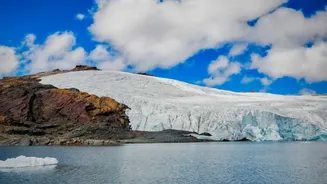
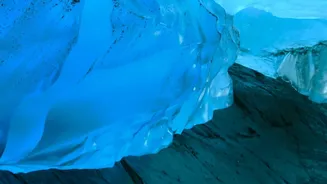
Mountain Development (ICIMOD) confirm an alarming trend: glaciers in the region are melting at an accelerated rate, with ice loss doubling since the year 2000. One study noted that Himalayan glaciers have been melting 65 percent faster since 2010 than in the previous decade. This isn't just about a slow, steady melt. The warming is altering the very structure of the mountains. Permafrost, the frozen ground that acts like glue holding steep rock faces together, is thawing. This combination of retreating ice and weakening rock creates a landscape primed for sudden, catastrophic events.
GLOFs: The Ticking Time Bombs
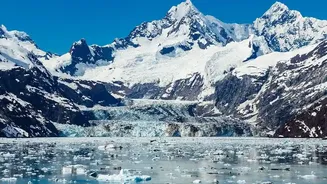
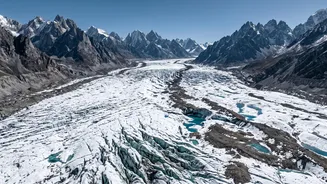
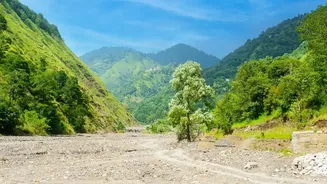
One of the most significant threats is the formation of massive glacial lakes. As glaciers recede, meltwater often pools behind natural dams made of moraine—a loose jumble of soil and rock left by the retreating ice. These moraine dams can be highly unstable. When they breach, they can release enormous quantities of water in an event known as a Glacial Lake Outburst Flood, or GLOF. These are not ordinary floods; they are violent torrents of water, mud, and boulders that surge down narrow mountain valleys with immense destructive force, wiping out everything in their path. A recent assessment identified 47 potentially dangerous glacial lakes in the river systems connected to Nepal, 21 of which are located within the country itself. These lakes represent ticking time bombs, situated high above vulnerable downstream communities.
More Than Just Floods
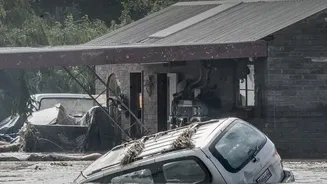
The risks are not limited to GLOFs. The recent devastating flood in Nepal's Rasuwa district on August 26, 2026, appears to have been a different, though related, kind of catastrophe. Preliminary analysis suggests it was triggered not by a lake bursting, but by a massive ice-and-rock avalanche. A huge section of a glacier and the underlying rock broke away, falling into the river valley below and generating a massive, fast-moving debris flow that has been described as an inland tsunami. The U.S. Geological Survey determined the collapse generated seismic energy equivalent to a magnitude 5.2 earthquake. This highlights a compounded hazard: warming temperatures are not only creating dangerous lakes but also destabilizing entire mountainsides, leading to landslides that can be just as destructive as GLOFs, with even less warning.
Nepal's Unique Vulnerability
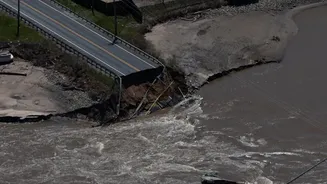
Nepal is uniquely exposed to these dangers. Its dramatic topography, which ranges from low-lying plains to the world's highest peaks in a short distance, creates steep river valleys that act as funnels for floodwaters. The country's major river systems—Koshi, Gandaki, and Karnali—all originate in the high Himalayas, where many of these dangerous glaciers and lakes are located. These river corridors are also home to millions of people, as well as critical infrastructure like roads, bridges, and hydropower plants. The August 2026 disaster along the Bhote Koshi-Trishuli river corridor demonstrated this vulnerability with devastating clarity, as the surge destroyed homes, overwhelmed infrastructure, and cut off the primary overland trade route to China. The fact that many of these hazards originate across the border in Tibet adds another layer of complexity to disaster management.
The Race Against Time
Addressing these evolving threats is a monumental challenge. In response, Nepal's government, with support from international partners like the UNDP and ICIMOD, is taking action. Efforts are underway to monitor high-risk glacial lakes using satellite imagery and field surveys. In some cases, ambitious engineering projects have been undertaken to lower the water levels of the most dangerous lakes, such as the successful draining of Imja Tsho in the Everest region in 2016. Following the recent disaster, a project funded by the Green Climate Fund is set to lower the levels of four more high-risk lakes. Community-based early warning systems are also being installed to provide downstream villages with precious time to evacuate. However, with more than 2,000 glacial lakes in Nepal and new ones forming constantly, experts caution that these efforts, while crucial, are struggling to keep pace with the rapidly changing climate.