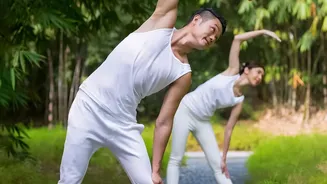




The Gentle Art of 'Meditation in Motion'
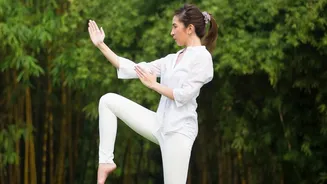
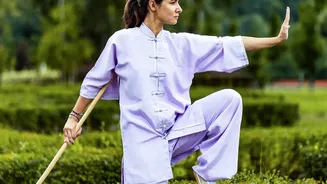
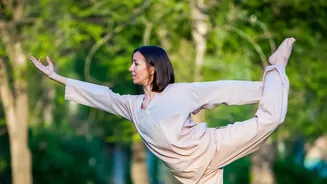
Often described as 'meditation in motion', Tai Chi is an ancient Chinese practice that combines slow, deliberate movements, deep breathing, and a focused mind. Unlike high-intensity workouts that involve running or jumping, Tai Chi consists of a series
of fluid, interconnected postures. Practitioners flow from one move to the next in a continuous, graceful sequence. This emphasis on smooth transitions and controlled motion is precisely what makes it a powerful yet gentle form of exercise, accessible to people of all ages and fitness levels.
A Haven for Aching Joints
The primary appeal for many beginners, especially those with joint concerns like osteoarthritis, is Tai Chi's low-impact nature. The slow, controlled weight shifts and absence of jarring impacts mean less pressure on the knees, hips, and ankles. This gentle approach helps to increase the production of synovial fluid, which lubricates the joints, potentially reducing pain and stiffness over time. Scientific studies have supported these benefits, showing that regular practice can significantly decrease pain and improve physical function for individuals with osteoarthritis. The American College of Rheumatology even strongly recommends Tai Chi for those with knee or hip osteoarthritis.
Building Strength and Balance Without Strain
Don't let the gentle nature of Tai Chi fool you; it is a surprisingly effective way to build strength and improve stability. The slow movements require muscle control, which strengthens the muscles supporting your joints. Stronger muscles help protect and stabilize the joints, which can reduce pain and the risk of injury. Furthermore, the constant, gentle shifting of weight from one foot to the other is a fantastic training ground for balance. Studies have consistently shown that Tai Chi can significantly improve balance and postural control, which is particularly important for reducing the risk of falls, especially in older adults.
More Than Just a Physical Workout
While the physical benefits are substantial, the 'meditation in motion' aspect of Tai Chi offers profound mental health advantages. The focus on deep, rhythmic breathing and the coordinated movements helps calm the mind, reduce stress, and improve mental clarity. For those living with the chronic pain of conditions like arthritis, the practice can be a powerful tool for managing the associated stress and anxiety. This mind-body connection helps foster a greater sense of overall well-being, making Tai Chi a holistic practice that nurtures both physical and mental health.
How to Get Started with Tai Chi
Starting with Tai Chi is more accessible than you might think. Many community centres, local parks, and fitness studios offer beginner classes. For those who prefer to start at home, there are numerous online videos and programs available. Look for an instructor who is experienced in teaching beginners and can offer modifications for any physical limitations. You don't need any special equipment—just comfortable, loose-fitting clothes that allow for a full range of motion. The most important thing is to start slowly, listen to your body, and enjoy the process of learning this ancient and beneficial art form.