





An 18-Year Import Ban
The journey begins not with a trade dispute, but with a pest. In 1989, the United States Department of Agriculture (USDA) banned the import of fresh Indian mangoes. The primary concern was the potential introduction of non-native fruit flies and other
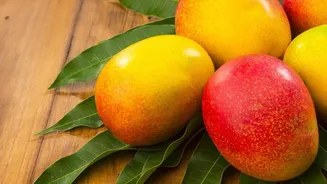
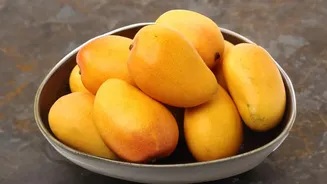
pests that could devastate American agriculture, particularly citrus and stone-fruit industries in states like California and Florida. For 18 years, this phytosanitary rule effectively closed the door on legendary varieties like the Alphonso and Kesar, much to the dismay of Indian exporters and the growing South Asian diaspora in the US. While India, the world's largest mango producer, exported its fruit to dozens of other countries, the lucrative American market remained tantalizingly out of reach.
The Dawn of Mango Diplomacy
The mango has long been a tool in India's diplomatic toolkit, with prime ministers since Jawaharlal Nehru using the prized fruit to charm foreign dignitaries. But turning goodwill into market access proved difficult. The breakthrough began to take shape in the mid-2000s as the relationship between India and the United States started to warm significantly. During a visit to India in March 2006, then-US President George W. Bush was focused on finalizing the landmark U.S.-India Civil Nuclear Agreement. Amid talks of reactors and safeguards, a simpler request emerged: President Bush wanted to taste an Alphonso mango. He reportedly declared it a "hell of a fruit." This moment became a symbol of a new willingness to resolve long-standing trade irritants.
A Sweet Breakthrough Deal
Following the presidential tasting, negotiations accelerated. Commentators dubbed the ensuing agreement the "nuclear mango deal." In exchange for the U.S. lifting its ban on mangoes, India agreed to open its market to American exports, most notably Harley-Davidson motorcycles. The key to satisfying the USDA's pest concerns was a process called irradiation. India agreed to establish a certified irradiation facility to treat the fruit before export, neutralizing any potential pests without affecting the taste or quality of the mangoes. In April 2007, the first official commercial shipment of Indian mangoes in nearly two decades landed at JFK International Airport, marking the successful culmination of years of diplomatic effort.
A Growing But Complicated Market
Since the ban was lifted, Indian mango exports to the US have steadily grown, becoming a multi-million dollar trade. For the Indian-American community, the annual arrival of mango season is a nostalgic and celebrated event. However, the path has not been entirely smooth. The logistics of flying the delicate fruit and the cost of irradiation make them a pricey seasonal luxury. The supply chain was also briefly disrupted during the COVID-19 pandemic when travel restrictions prevented US inspectors from visiting Indian facilities, leading to a temporary halt. Despite these challenges, demand remains strong, with Indian authorities and distributors actively promoting the fruit in major American cities, a practice now widely known as "mango diplomacy." This sweet exchange continues to serve as a barometer of the broader, complex, and ever-evolving trade relationship between the world's oldest and largest democracies.