



Tired of the same quiet hill station holidays? For a truly vibrant and immersive cultural journey, look no further than Nagaland. The Hornbill Festival is your gateway to the rich, living traditions of the Naga people.
The 'Festival of Festivals'
Held annually from December 1st to
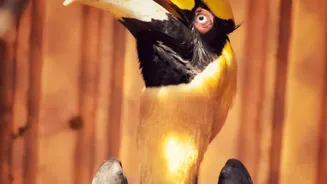
10th, the Hornbill Festival is often called the 'Festival of Festivals'. Started in 2000 by the Nagaland government, its goal was to preserve the state's diverse cultural heritage and promote inter-tribal harmony. The event brings all of Nagaland's major tribes—each with its own distinct customs, attire, and language—to one place: the Naga Heritage Village in Kisama, about 12 kilometres from the capital, Kohima. The festival is named after the revered hornbill bird, a symbol of grandeur and alertness in Naga folklore whose image is prominent on traditional headgear.
A Symphony of Sight and Sound
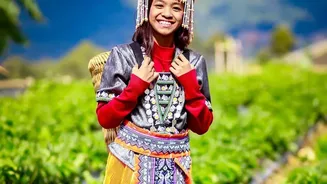
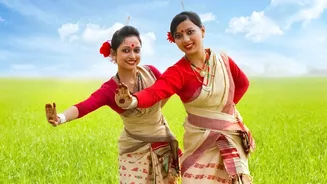
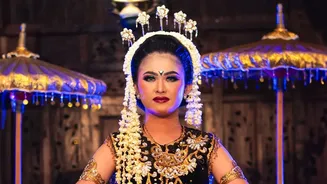
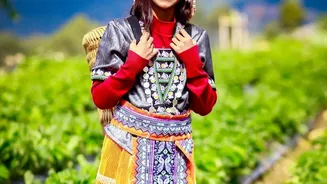
The heart of the festival lies in its cultural performances. The main arena at Kisama comes alive each day with troupes from different tribes showcasing their ancestral songs and energetic dances. You'll witness everything from fierce warrior dances telling tales of historic valour to graceful folk performances celebrating agricultural cycles. A key feature of the festival grounds are the 'morungs', which are traditional thatched youth dormitories. Each tribe has its own morung, exquisitely decorated and acting as a small, living museum where you can interact with the community, learn about their customs, and see their unique crafts.
The Flavours of Nagaland
A trip to the Hornbill Festival is incomplete without a deep dive into Naga cuisine. Food stalls run by the various tribes offer an authentic taste of the region. A typical Naga meal consists of rice, a meat dish, boiled vegetables, and a spicy chutney. Smoked pork is a widespread delicacy, often prepared with fermented bamboo shoots or 'axone' (fermented soybeans). Vegetarians can enjoy dishes like 'Galho', a soupy rice and vegetable mixture, and various preparations of local greens and beans. For the adventurous, the menu might also include snails, silkworms, and grasshoppers. Don't forget to try 'Zutho', the local rice brew.
Beyond the Main Stage
While the daytime cultural events are the main draw, the festivities continue well into the evening. The Hornbill Music Festival features performances from local and national rock bands, creating a modern counterpoint to the traditional daytime shows. The Kohima Night Bazaar is another highlight, where you can shop for exquisite hand-woven shawls, intricate woodwork, and beaded jewellery. The festival also hosts unique events like the Naga chilli eating contest, a test of bravery against the fiery 'Bhut Jolokia'. It's an atmosphere buzzing with energy, where ancient traditions meet contemporary celebrations.
Planning Your 2026 Trip
The Hornbill Festival runs from December 1st to 10th, 2026. To get there, you'll need to fly or take a train to Dimapur, which has the only airport and major railway station in Nagaland. From Dimapur, it's a two-to-three-hour drive to Kohima. Accommodation in Kohima and around Kisama fills up months in advance, so booking early is crucial. Options range from hotels in Kohima to homestays and campsites closer to the festival grounds for a more rustic experience. Most importantly, all domestic tourists from outside Nagaland must obtain an Inner Line Permit (ILP) before entering the state. You can apply for this online through the official Nagaland government portal. Carry warm layers, as December evenings can be quite chilly.