




The Nutritional Showdown
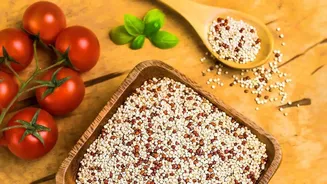
When comparing ragi and quinoa, the nutritional differences are significant. Quinoa is widely celebrated for being a complete protein, containing all nine essential amino acids. Per 100g, quinoa offers roughly 13-14g of protein, almost double the 7g found
in ragi. However, ragi, or finger millet, is a nutritional champion in other areas crucial for Indian diets. Ragi's standout feature is its phenomenal calcium content. At approximately 344mg per 100g, it provides nearly seven times more calcium than quinoa (around 47mg) and is one of the richest plant-based sources of this mineral. For bone health, this makes ragi an unparalleled choice among grains. Ragi also holds its own in fibre and other minerals. While some data suggests quinoa has slightly more fibre, other sources indicate ragi is superior, helping with digestion and satiety. Both grains have a low glycemic index, making them suitable for managing blood sugar levels.
The Price and Accessibility Factor
For the average Indian household, the cost difference between ragi and quinoa is substantial. Ragi is a locally grown ancient grain, making it widely available and highly affordable. It is a staple in many parts of the country, especially Karnataka, and can be purchased for a fraction of the price of quinoa. Quinoa, on the other hand, is primarily imported from South America. Its price reflects import duties, branding, and its 'superfood' status, often costing several times more than ragi. For families looking to incorporate a healthy grain into their daily diet, ragi is the far more economical and sustainable option, supporting local farmers and reducing the carbon footprint associated with imported foods.
Ragi in the Indian Breakfast Kitchen
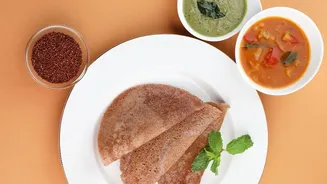
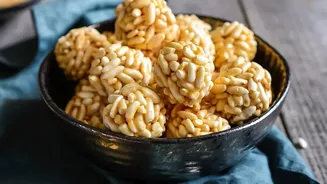
Ragi's versatility in Indian cuisine is a major advantage. As a flour, it integrates seamlessly into a wide array of traditional breakfast dishes. You can easily prepare a warm, comforting ragi porridge, known as ragi java or kanji, which is a classic first food for babies. For a savoury start to the day, ragi flour can be used to make instant dosas, soft idlis, and flavourful upma. It can also be mixed with wheat flour to create nutritious rotis or parathas. The earthy, nutty flavour of ragi complements Indian spices well, and its flour can be used to make everything from pancakes to ladoos. This deep-rooted culinary history means there are endless recipes and regional variations to explore without needing to learn new cooking techniques.
Cooking with Quinoa for Breakfast
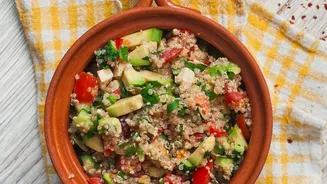
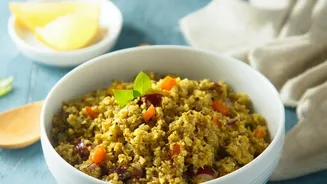
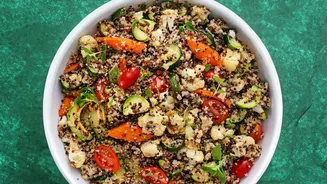
Quinoa has a milder, nuttier flavour and a distinct fluffy texture that has made it popular worldwide. While not traditionally Indian, it adapts remarkably well to our breakfast recipes. It can be used as a high-protein, gluten-free substitute for semolina (suji) to make quinoa upma, often cooked with mustard seeds, curry leaves, and vegetables. It also works as a replacement for flattened rice in masala poha, offering a similar light-yet-filling experience. Beyond savoury dishes, quinoa can be simmered with milk and sweeteners to create a breakfast porridge, similar to oats, or used in modern recipes like quinoa patties or tikis for a healthy snack. Since quinoa is a seed, it's important to rinse it thoroughly before cooking to remove its natural bitter coating called saponin.
The Verdict: Which Grain Is for You?
There is no single winner; the best choice depends entirely on your personal health goals, budget, and culinary preferences. If your priority is boosting calcium intake, managing your budget, and sticking to traditional Indian recipes, ragi is the clear and superior choice. Its exceptional calcium content addresses a common deficiency, and its low cost makes it accessible for daily consumption. If you are focused on maximizing your protein intake, particularly from a complete plant-based source, and are willing to spend more, quinoa is an excellent option. It's ideal for those on a vegan diet or anyone looking to add a high-quality protein to their meals. Ultimately, both grains offer fantastic health benefits, and a balanced diet could easily include both for variety.