






The Modern Plate Formula
Forget complicated calorie counting and restrictive eating plans that are hard to maintain. Nutrition experts globally are embracing a simple, visual guide for balanced meals known as the 'Healthy Plate' method. The formula is easy to remember: fill half
of your plate with non-starchy vegetables, one-quarter with lean protein, and the final quarter with complex carbohydrates. This approach, often recommended for managing everything from weight to blood sugar, ensures you get a healthy mix of fibre, vitamins, protein, and energy in every meal without feeling deprived. In the Indian context, this might mean rearranging your 'ghar ka khana'—reducing the portion of rice or roti and increasing the dal and sabzi.
Prioritising Protein and Plants
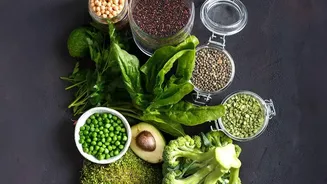
The foundation of this balanced plate is built on protein and plants. Filling half your plate with a colourful variety of non-starchy vegetables—like leafy greens, broccoli, bell peppers, bhindi, or cauliflower—provides essential fibre, vitamins, and minerals with minimal calories. These foods help you feel full and support overall health, from reducing inflammation to lowering blood pressure. The protein quarter of your plate is crucial for building and repairing tissues, maintaining muscle, and promoting satiety, which helps prevent overeating. Excellent lean protein sources include fish, chicken, eggs, and lean meats, as well as plant-based powerhouses like dal, paneer, tofu, beans, and sprouts.
The Case for Keeping Carbohydrates
In an era of low-carb and keto diets, carbohydrates have often been unfairly villainised. However, they are the body's primary source of fuel, essential for brain function and physical energy. Completely eliminating them can lead to fatigue, nutrient deficiencies, and may not be sustainable in the long term. The key is not to exclude carbs, but to choose them wisely and consume them in the right proportion. A diet rich in healthful carbohydrates from whole foods is associated with a lower risk for heart disease and type 2 diabetes. The goal is to dedicate just one-quarter of your plate to this important macronutrient, focusing on quality over quantity.
Making Smart Carbohydrate Choices
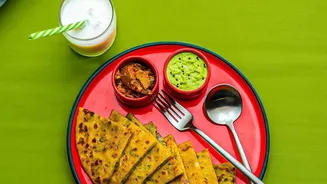
Not all carbs are created equal. To maximise the nutritional benefit of your meal, opt for complex carbohydrates over simple or refined ones. Complex carbs, found in foods like whole wheat roti, brown rice, millets (like jowar and bajra), quinoa, and sweet potatoes, are packed with fibre. This fibre slows down digestion, leading to a more gradual release of sugar into the bloodstream, providing sustained energy and preventing the spikes and crashes associated with refined carbs like white bread, sugary drinks, and processed snacks. Making simple swaps, such as choosing whole-grain pasta over white or having a side of quinoa instead of white rice, can significantly enhance the nutritional value of your meal.
Putting It All Together
So what does this look like in practice? For breakfast, you could have a veggie omelette with a slice of whole-grain toast. Lunch could be a large salad with grilled chicken and a side of quinoa. For an Indian-style dinner, you might have a bowl of rajma or dal, a generous serving of cauliflower sabzi, a fresh kachumber salad, and one or two whole wheat rotis. Another great option is a stir-fry with tofu or shrimp, loaded with broccoli and bell peppers, served with a small portion of brown rice. The combinations are endless, proving that a healthy meal can be both delicious and satisfying.