



The Mighty Millets
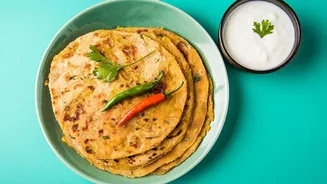
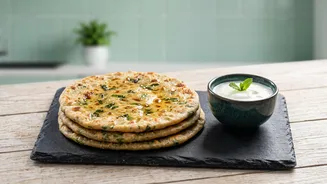
Once considered “poor man’s grain,” millets like ragi, jowar, and bajra are now celebrated as superfoods. This revival is driven by a growing awareness of their incredible health benefits. Naturally gluten-free and packed with fibre, protein, and essential
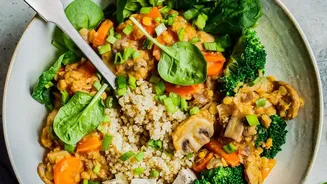
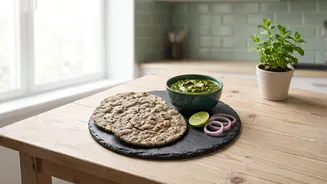
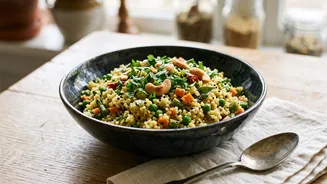
minerals like calcium and iron, these ancient grains are perfect for modern health-conscious diets. Their low glycemic index helps manage blood sugar, while high fibre content aids digestion and weight management. Thanks to government initiatives and a renewed interest in sustainable crops, millets are no longer just for traditional rotis; they're appearing in everything from breakfast porridge and dosas to contemporary grain bowls and healthy snacks.
Manipur's Black Rice (Chak-hao)
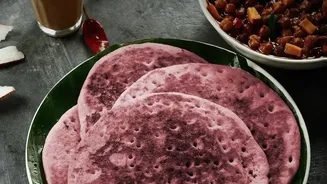
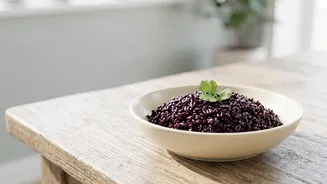
Once reserved for the royalty of Manipur, Chak-hao, or black rice, is now a global sensation. This heirloom grain gets its striking black-purple colour from anthocyanin, a powerful antioxidant also found in blueberries. With its nutty flavour and chewy texture, Chak-hao is not just delicious but also incredibly nutritious, rich in protein and fibre. After receiving a Geographical Indication (GI) tag in 2020, its identity has been protected, boosting its recognition. From traditional kheer to gourmet dishes in high-end restaurants across the world, this 'forbidden rice' has found its rightful place on the modern plate.
Unripe Jackfruit (Kathal)
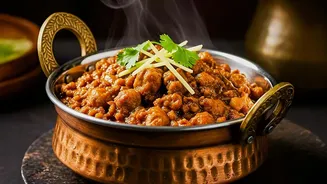
For centuries, jackfruit has been a backyard staple in India, used in curries and snacks. But recently, the unripe fruit has been globally reimagined as a vegan superstar. Its fibrous, chewy texture makes it an excellent plant-based substitute for shredded meat, particularly pulled pork or chicken. This has driven a surge in its popularity among vegans, vegetarians, and flexitarians worldwide. Formerly a humble fruit that often went to waste, jackfruit is now a key ingredient in tacos, burgers, and ready-to-cook meals, transforming from a simple vegetable into a global meat alternative.
Amaranth (Rajgira)
Amaranth has been cultivated for thousands of years but was largely overshadowed by other grains in the modern era. Today, this tiny pseudo-grain is being rediscovered for its stellar nutritional profile. It is a rare plant-based source of complete protein, containing all nine essential amino acids, and is naturally gluten-free. Traditionally consumed during fasts, amaranth is now a mainstream health food. Its comeback is fueled by its versatility; the grains can be popped, cooked into porridge, or ground into flour for baking, while its leaves are eaten as highly nutritious greens.
Moringa Leaves (Drumstick Leaves)
Long a humble ingredient in South Indian dishes like sambar, moringa leaves have exploded onto the global wellness scene as a 'miracle' superfood. Packed with vitamins A and C, calcium, iron, and potassium, these leaves are a nutritional powerhouse. Gram for gram, they contain more vitamin C than oranges and more calcium than milk. Once just a part of everyday home cooking, moringa is now sold in powder and capsule form, added to smoothies, teas, and energy bars, celebrated for its anti-inflammatory and antioxidant properties. Its journey from local kitchens to global health-food stores is a testament to the power of traditional knowledge.
Fiddlehead Ferns (Lingdi)
A seasonal delicacy foraged from the Himalayan foothills, the fiddlehead fern is a wild vegetable making its way to urban tables. Known by various local names like 'lingdi,' 'lingri,' and 'kasrod,' these young, coiled fronds of a fern are harvested in spring and early monsoon before they unfurl. With a unique taste often compared to asparagus or green beans, they are rich in antioxidants, omega-3 fatty acids, iron, and potassium. Traditionally stir-fried into a simple sabzi or pickled, this foraged green is now prized by chefs for its unique flavour and connection to the wild biodiversity of India.
Ram Kand Mool
This intriguing drum-shaped tuber, sold by street vendors as a simple snack, is steeped in folklore. Legends say it was the food consumed by Lord Ram during his exile. Known as Ram Kand Mool or Boomi Sakkaraivalli Kizhangu in different regions, this root is typically eaten raw, thinly sliced and seasoned with spices or a little sugar. While its exact botanical identity has been debated, it's valued in traditional medicine and by forest-dwelling communities as a source of sustenance. Its recent visibility on city streets represents a rediscovery of a food that is deeply connected to India's cultural and indigenous heritage.