






An Art That Can't Be Rushed
At the heart of the matcha supply issue is a simple truth: producing high-quality matcha is an agricultural art form, not a high-speed industrial process. It begins with the tea plant, Camellia sinensis, which takes about five years to mature before its
leaves are suitable for harvesting for top-tier matcha. This long-term investment means farmers cannot react to sudden market trends. Unlike crops that can be planted and harvested within a season, a new matcha field is a multi-year commitment. This biological reality forms the first major bottleneck in the supply chain, preventing a rapid response to the worldwide matcha craze.
A Crucial Life in the Shade
What truly separates matcha from other green teas is the meticulous shading process. For three to six weeks before the spring harvest, tea plants are covered with tarps or traditional bamboo and straw screens. This practice, known as 'tencha' cultivation, starves the leaves of direct sunlight. In response, the plants overproduce chlorophyll, which gives matcha its iconic jade-green colour. This process also increases the concentration of L-theanine, an amino acid responsible for matcha's distinct umami flavour and calming effects. This vital step is labour-intensive and requires immense skill to manage correctly. It cannot be easily scaled or automated without sacrificing the very qualities that define authentic matcha.
The Slow, Deliberate Grind
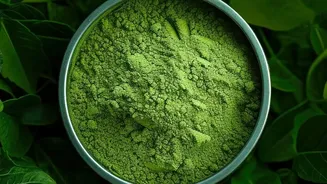
After the leaves are harvested, steamed, dried, and painstakingly de-stemmed, they become tencha. But the final transformation into matcha is perhaps the biggest bottleneck of all. True ceremonial-grade matcha is made by stone-grinding the tencha leaves into a fine powder. This is done using traditional granite mills, or 'ishi-usu', a process that has remained largely unchanged for centuries. These mills turn incredibly slowly to avoid generating friction heat, which would scorch the delicate leaves and destroy their flavour and aroma. The output is shockingly small: a single stone mill can take an hour to produce just 30 to 40 grams of matcha powder. While faster industrial methods like ball mills exist, they compromise the quality, texture, and taste that connoisseurs expect.
A Matter of Terroir and Talent
Like fine wine, high-quality matcha is a product of its 'terroir'—the unique combination of soil, climate, and geography. The most revered matcha comes from specific regions in Japan, primarily Uji (in Kyoto), Nishio, and Shizuoka, where the conditions are ideal. These are not vast agricultural plains; often, they are small, family-run farms in hilly areas. This geographical limitation is compounded by a demographic crisis. The average age of a Japanese tea farmer is over 65, and fewer young people are entering the profession. The number of commercial tea farms has plummeted in recent decades, creating a critical shortage of the skilled labour needed for the painstaking work of matcha cultivation.
The Pressure of a Changing Climate
Adding to these deep-rooted challenges is the increasing unpredictability of the weather. Climate change has brought irregular rainfall, unseasonal frosts, and record-breaking heatwaves to Japan's tea-growing regions. These events can devastate a harvest. A single frost during the delicate shading period can ruin an entire year's crop of tencha leaves. Extreme heat can scorch the plants, affecting both the yield and the quality of the tea. A difficult season can reduce harvests by 30% or more, tightening an already constrained supply and driving prices up at auction.