




A Roaring Return After 144 Years
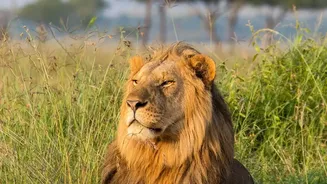
In a landmark moment for wildlife conservation, the Barda Wildlife Sanctuary now supports a pride of 17 Asiatic lions, including adults and cubs. This development marks the first time in nearly a century and a half that lions have established a permanent
presence in this rugged landscape, located about 100 kilometres from their traditional stronghold in Gir. The journey began in early 2023 with the natural dispersal of a lone male lion into the sanctuary. Recognizing the opportunity, the Gujarat Forest Department augmented this pioneering move by introducing five lionesses to establish a viable breeding population. The success of this initiative was recently confirmed by a study in the journal 'PLOS One', which tracked the lions and affirmed Barda's suitability as a long-term habitat.
Why a Second Home is So Critical
The entire wild population of Asiatic lions, which has recovered from a perilous low of just a few dozen individuals to over 800 today, has been concentrated in the single landscape of Gir. While a tremendous success, this concentration has long worried conservationists. A single population is dangerously vulnerable to threats like disease outbreaks or natural disasters. Experts point to the 1994 canine distemper virus epidemic in Tanzania’s Serengeti National Park, which wiped out a third of its lion population, as a stark warning. Establishing a second, geographically separate population in Barda acts as a crucial insurance policy, safeguarding the species from potential catastrophe and ensuring its genetic diversity and long-term survival.
Introducing Barda Wildlife Sanctuary
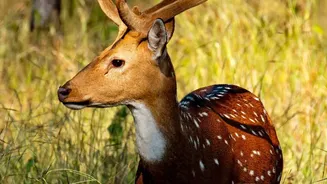
Declared a sanctuary in 1979, Barda was once a royal hunting ground for the princely states of Porbandar and Jamnagar. Spread across 192 square kilometres, its hilly and forested terrain is rich in biodiversity, supporting leopards, sambar, wild pigs, and over 650 plant species. For years, the Gujarat Forest Department has been meticulously preparing Barda for this moment. Efforts included habitat restoration, improving the availability of prey by reintroducing species like spotted deer, and enhancing water sources. These preparations created the ideal ecological conditions that encouraged the first lion to migrate naturally and have allowed the new population to thrive on a diet primarily of wild prey.
A Key Part of 'Project Lion'
The establishment of Barda as a second home is a cornerstone of the national 'Project Lion' initiative. Launched in 2020, the project aims to manage the growing lion population by securing and restoring their habitats beyond the confines of Gir. While the Supreme Court had ordered the translocation of some lions to Kuno National Park in Madhya Pradesh back in 2013, that move has been stalled for years. The success in Barda showcases Gujarat's strategy of creating satellite populations within the state to manage dispersal. The state government has invested significantly in making the sanctuary a viable home, restructuring the local forest division for better management and deploying dedicated lion trackers and rapid response teams to mitigate human-wildlife conflict.