

The Undeniable Role of the Planter
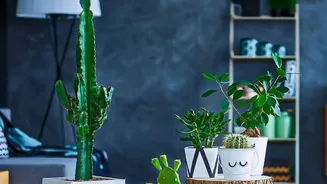
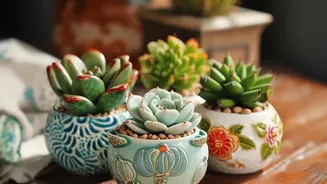
In modern interior design, plants are more than just a touch of green; they are living decor. Ceramic planters, with their endless variety of colours, textures, and shapes, have become a go-to for stylists and homeowners looking to create a cohesive look.
They can tie a room together, add a pop of colour, or introduce a sculptural element. Unlike basic plastic pots, a well-chosen ceramic planter feels intentional and permanent. It signals that the plant is not an afterthought, but an integral part of the home's aesthetic. However, focusing solely on the planter's exterior can be a critical mistake. The most beautiful pot in the world is of little use if the plant inside it is struggling. A healthy, vibrant plant is the ultimate goal, and that starts below the soil.
Why Drainage Is a Plant's Best Friend
To understand why drainage is so important, we need to think about a plant's roots. Roots need a balance of moisture and oxygen to function properly. When a plant is watered in a pot without a drainage hole, any excess water has nowhere to go. It pools at the bottom, saturating the soil and cutting off the oxygen supply to the roots. This waterlogged environment is the perfect breeding ground for fungus and bacteria, leading to a common and often fatal condition known as root rot. The roots essentially suffocate and begin to decay, turning brown and mushy. Once root rot sets in, it’s very difficult to reverse. Signs of overwatering, like yellowing leaves or a bad smell from the pot, often appear too late. Proper drainage allows excess water to escape, ensuring the soil remains moist but not swampy, and lets the roots breathe.
Ceramic: A Material of Substance and Style
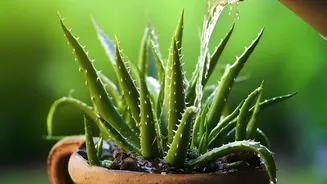
Ceramic planters offer a fantastic middle ground between purely functional and purely decorative containers. Their weight provides stability for top-heavy plants that might tip over in a lighter plastic pot. The material itself also has benefits. Unglazed ceramic, like terracotta, is porous and allows air and moisture to pass through its walls, helping soil dry out faster. This is great for succulents and other plants that prefer dry conditions. Glazed ceramic planters, on the other hand, are non-porous and retain moisture for longer, which is ideal for many tropical houseplants that appreciate consistent moisture. This ability to hold moisture more evenly than terracotta reduces the need for frequent watering. Regardless of the finish, the key advantage of ceramic is its durability and timeless appeal, far outlasting plastic alternatives that can fade and become brittle over time.
Making Any Decorative Pot Work
So what do you do if you fall in love with a decorative ceramic planter that has no drainage hole? Fortunately, you don't have to sacrifice style for plant health. The simplest and most effective solution is a technique called 'double potting'. This involves keeping your plant in its lightweight plastic nursery pot (which has drainage holes) and placing it inside the decorative ceramic planter, or 'cachepot'. When you water the plant, you can remove the inner pot, let it drain completely in a sink, and then place it back in the cachepot. This gives you the best of both worlds: the aesthetic you want and the drainage your plant needs. Some people add a layer of gravel to the bottom of a pot without holes, but this is a common myth; it does not improve drainage and can actually raise the water level, bringing the saturated zone closer to the roots.
Integrating Planters into Your Design
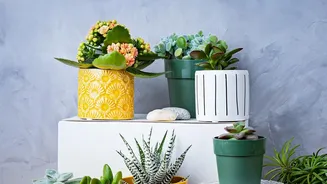
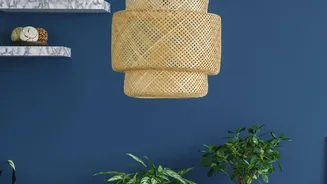
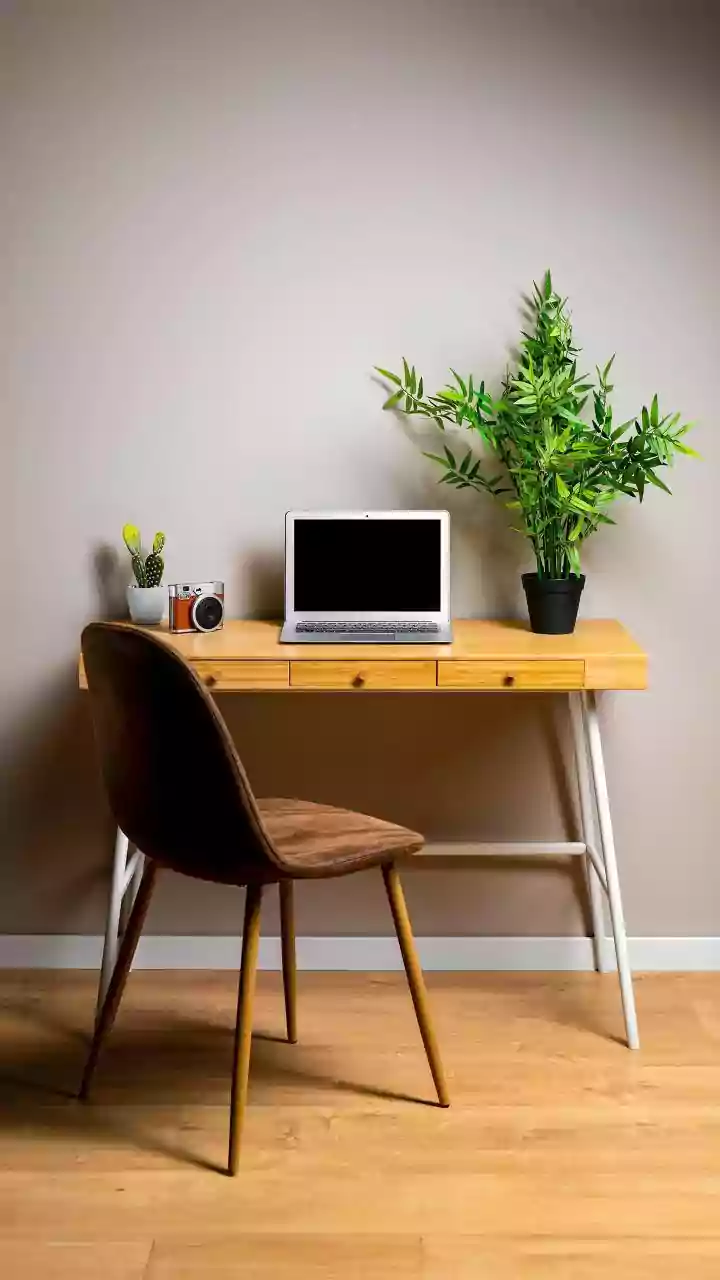
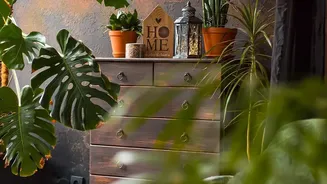
Once the practicalities are sorted, the fun of styling begins. To create a professional look, think about your planters as part of your overall decor scheme. For a minimalist or Scandinavian style, opt for planters in neutral tones like white, grey, or beige with clean lines. A Bohemian or rustic space might call for textured or hand-painted ceramics in earthy colours. Don't be afraid to group planters of different sizes and heights to create a layered, dynamic focal point in a corner of your living room or entryway. A collection of small herb planters on a kitchen windowsill can be both beautiful and functional. The key is to choose planters that complement your existing furniture and colours, creating a space that feels harmonious and alive.