


The Uniform Is Officially Dead
For generations, festive gatherings came with an unwritten dress code: the reliable holiday sweater, the formal dress, the collared shirt. It was a uniform of respectability. Today, Gen Z treats such rules as mere suggestions. Their approach is fluid,
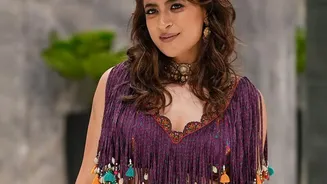
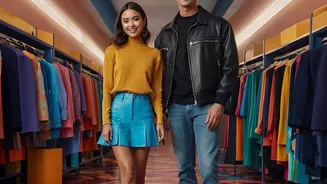
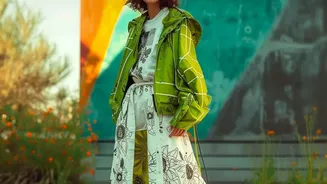
mixing high with low, casual with formal, and old with new. Think of a vintage, oversized blazer thrown over a graphic tee for a family dinner, or a pair of classic trousers paired with chunky sneakers. This isn't about disrespecting the occasion; it's about rejecting the idea that formality must equal conformity. The goal is self-expression, where an outfit communicates personality rather than just adherence to a long-standing tradition. This 'chaos styling' results in looks that are authentic and individual, proving that you don't need a specific silhouette to be dressed for a celebration.
Sustainability: The New Status Symbol
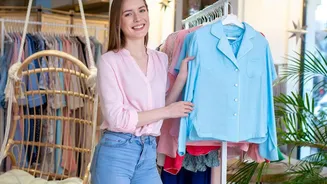
Perhaps the biggest driver behind this fashion revolution is Gen Z's commitment to sustainability. For them, a thrifted, rented, or upcycled garment isn't a budget compromise—it's a badge of honor. A significant number of Gen Z shoppers report buying secondhand, driven by a desire to reduce waste and reject the fast-fashion cycle. Festive wear, often bought for a single event, is the perfect candidate for this circular fashion mindset. Platforms like Depop and ThredUp, along with local Goodwill bins, have become treasure troves for one-of-a-kind holiday outfits. Finding a unique '80s party dress or a quality cashmere sweater at a thrift store is celebrated for its individuality and environmental cred. This generation has successfully reframed 'used' as 'vintage,' making sustainable choices a core part of their style identity.
Dressing for the Algorithm
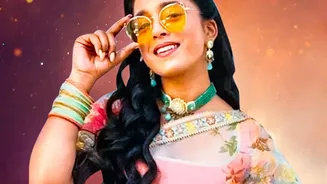
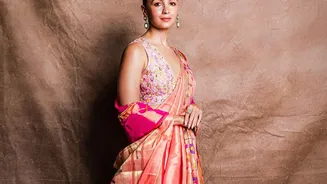
Inspiration no longer comes from department store mannequins but from a million different screens. TikTok, with its endless stream of 'Get Ready With Me' (GRWM) videos and micro-aesthetics, has become a primary source of style discovery. Trends like the Y2K revival, 'eclectic grandpa,' and various 'cores' (like Gorpcore or Cottagecore) are now making their way into festive settings. A user might blend a traditional handloom saree with a modern corset top, a combination seen trending on social media. This digital influence encourages experimentation, as creators demonstrate how to style a single piece in multiple ways—pairing a kurta with jeans, for example, or belting a saree over trousers. It’s a democratic and highly visual process where style rules are crowdsourced and constantly evolving.
Tradition, Remixed
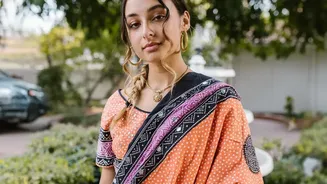
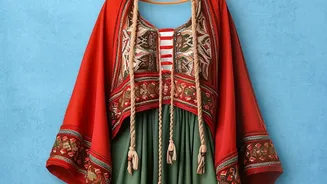
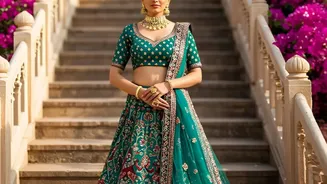
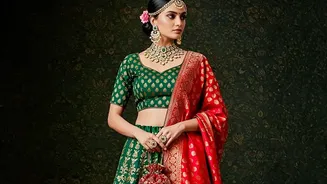
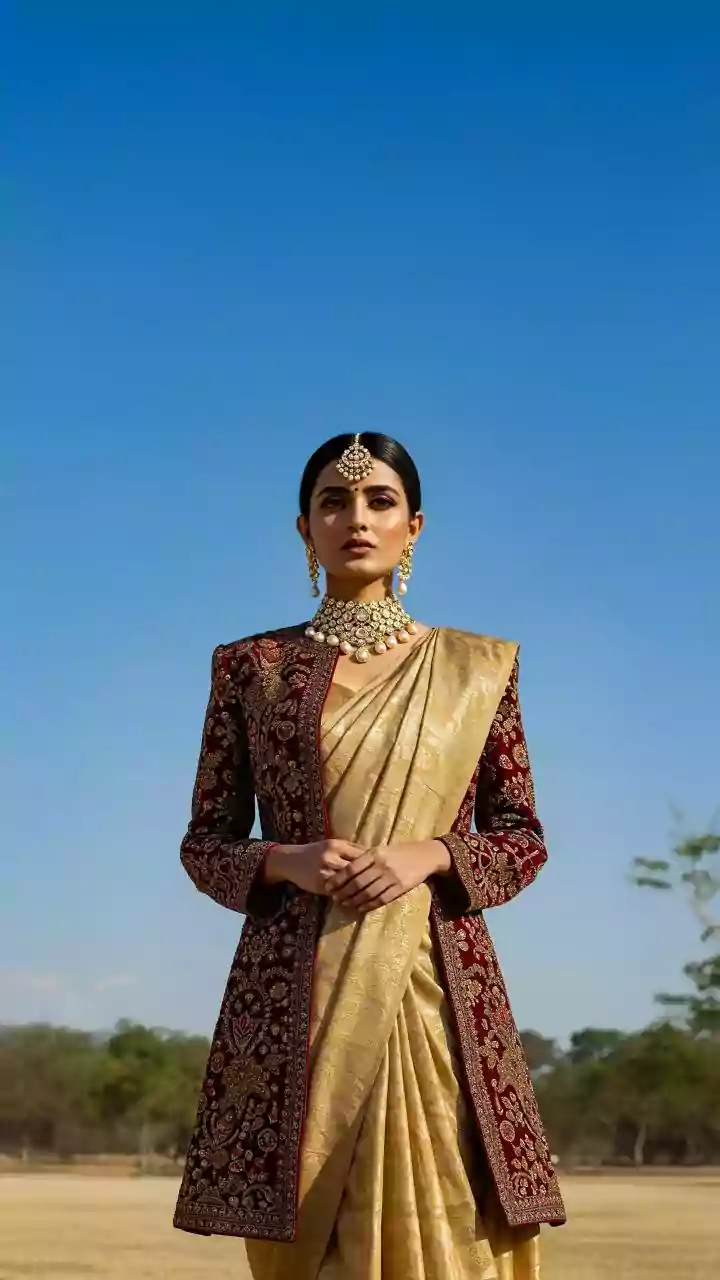
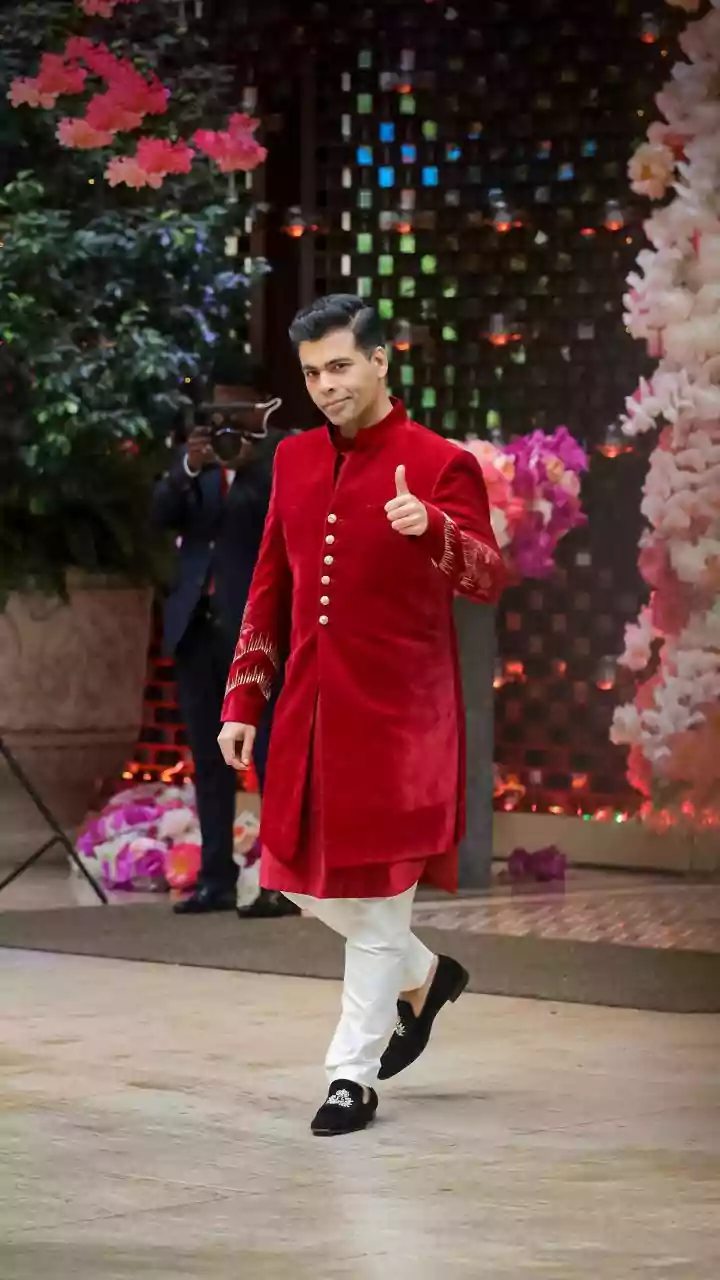
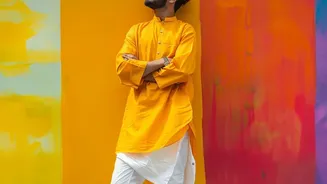
Crucially, this movement isn't about killing tradition but personalizing it. Many in Gen Z are reconnecting with their cultural heritage by incorporating ethnic wear into their everyday and festive wardrobes, but on their own terms. An heirloom piece of jewelry might be paired with a minimalist, modern outfit. A traditional Indian lehenga skirt could be styled with an oversized blazer, or a handwoven kurta worn with ripped denim and sneakers. This blend of old and new allows them to honor their roots without feeling confined by them. It’s a way of saying, 'This is part of my story, and I will tell it my way.' By deconstructing and re-styling these garments, Gen Z is ensuring that cultural traditions don't just survive but evolve, remaining relevant and deeply personal in a globalized world.