

The High-Speed World of Skating
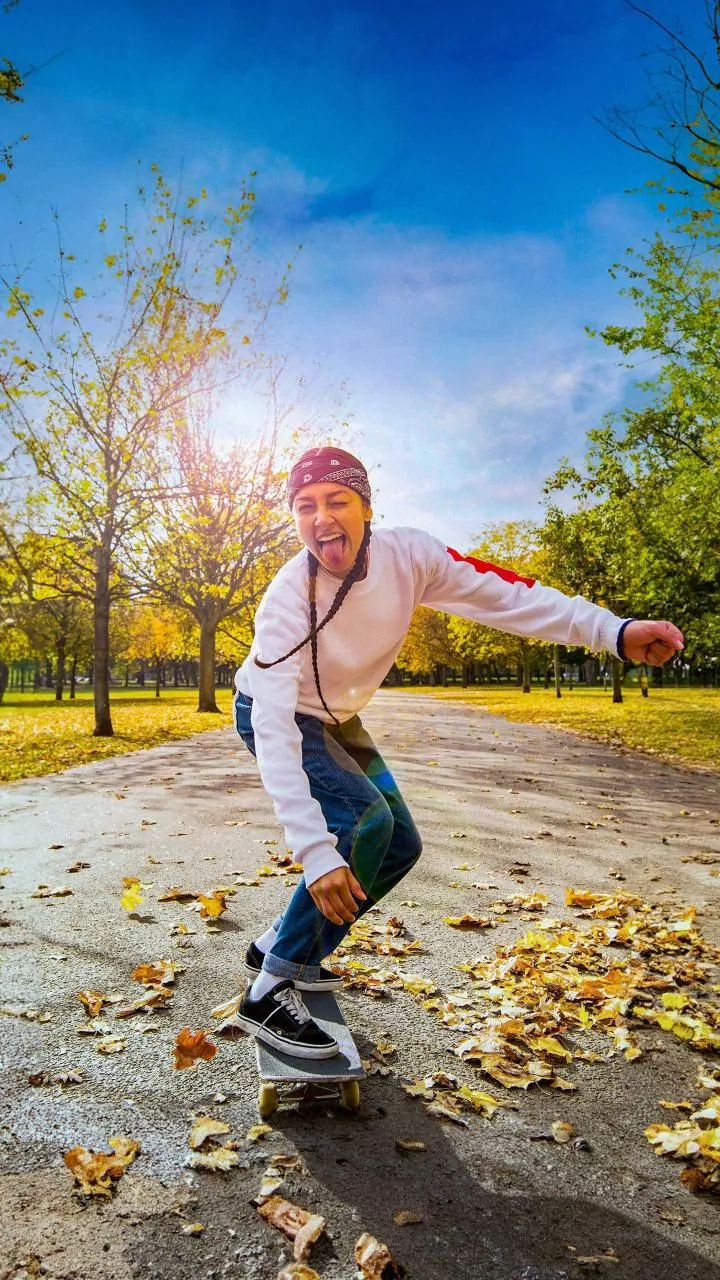
Skating, whether on ice or with inline skates, is an exercise in dynamic balance and reaction. It forces your body to constantly adjust to a slippery, low-friction surface while in motion. This environment demands that your brain and muscles work together
with split-second precision. The core muscles, including your abdominals and lower back, are constantly engaged to maintain stability and prevent falls. This builds strength that is crucial for maintaining an upright posture. Skating heavily relies on proprioception, which is your body's innate ability to sense its position in space. Every push, glide, and turn sends a stream of feedback from your joints and muscles to your brain, which then fine-tunes your movements. This constant feedback loop trains your neuromuscular system to become more efficient at reacting to sudden changes, which is a key component of coordination. The various movements—gliding forward, turning, or even skating backward—stimulate the vestibular system in your inner ear, which is critical for your sense of balance and spatial orientation.
The Mindful Control of Tai Chi
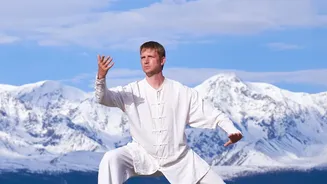
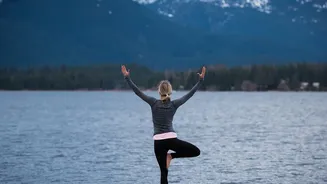
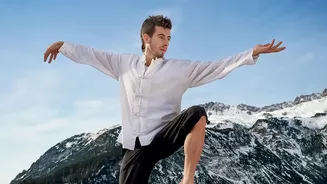
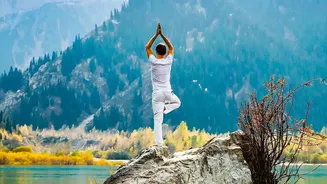
Often described as 'meditation in motion', Tai Chi builds coordination through slow, deliberate, and flowing movements. Unlike the reactive nature of skating, Tai Chi focuses on intentional control and heightened body awareness. The practice involves shifting your weight smoothly and precisely from one posture to another, which enhances both static balance (holding a position) and dynamic balance (maintaining stability while moving). This slow pace gives practitioners time to consciously feel and adjust their body's alignment, strengthening the mind-body connection. Like skating, Tai Chi is excellent for developing proprioception, but it does so in a more controlled and less visually dependent manner. By learning the forms and reproducing the movements, you train your body to understand its position without constant visual confirmation. This practice has been shown to significantly improve postural control and reduce the risk of falls, particularly in older adults, by strengthening leg and core muscles and improving joint flexibility.
Coordination: A Direct Comparison
While both activities improve coordination, they build different aspects of it. Skating excels at developing reactive, high-speed coordination. It trains your body to manage momentum and adapt to an unpredictable environment, enhancing agility and reflexes. This is a form of dynamic balance training where the body must constantly correct itself while moving at various speeds. In contrast, Tai Chi cultivates deliberate, controlled coordination. Its focus is on slow, precise weight shifting and perfect form, building stability from the ground up. It strengthens the foundational elements of balance through sustained poses and graceful transitions, which is a combination of static and slow dynamic balance exercises. Skating challenges the body with external variables like speed and surface imperfections, while Tai Chi challenges the mind and body to achieve internal harmony and precision in movement. Skating builds core strength through the constant need to stabilize a moving body, whereas Tai Chi builds it through holding specific, grounded postures.
Which Path Is Right for You?
Choosing between skating and Tai Chi depends entirely on your personal goals and preferences. If you're looking for a high-energy cardiovascular workout that builds reactive agility for other sports or activities, skating is an excellent choice. It's ideal for those who enjoy speed and want to improve their ability to think and move quickly on their feet. If your goal is to reduce stress, improve your posture, and build foundational stability with a low-impact exercise, Tai Chi is likely a better fit. It is particularly beneficial for improving body awareness, preventing falls, and developing a calm, focused mind. Ultimately, there is no superior choice; both are powerful tools for enhancing coordination. One trains you for the sprint, the other for the stance. The best exercise is the one you enjoy and will practice consistently, as regularity is key to seeing significant improvement in your balance and overall physical health.