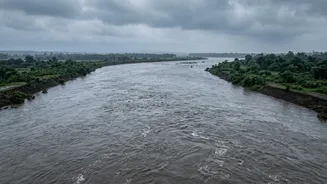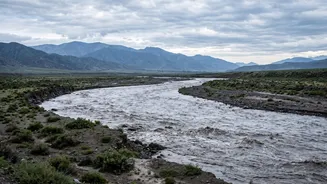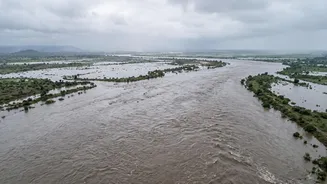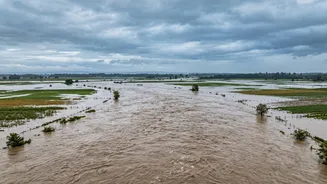









Understanding the 'Flood Pulse'
The term “flood pulse” refers to the seasonal rise and fall of water levels in a river system. It's a natural phenomenon, especially during the monsoon, where a large volume of water moves downstream like a wave after heavy rainfall or, in some cases,
glacial melt in the Himalayas. While this pulse is a vital part of the river's ecological health, it becomes a significant hazard when the volume of water threatens to overwhelm man-made defences like levees and embankments. This year, a combination of intense monsoon downpours and a catastrophic flash flood in Nepal on August 26 has sent a massive pulse towards India, particularly threatening states like Bihar and Uttar Pradesh.
The Situation on the Ground
The immediate concern stems from a devastating ice-rock avalanche and glacial collapse on the Nepal-Tibet border, which unleashed a torrent into the Bhote Koshi and Trishuli river systems. This water is now flowing into the Gandak river, which enters India through Bihar and Uttar Pradesh. Authorities have sounded an alert for districts along the Gandak corridor, as the pulse moves downstream. This event compounds an already severe monsoon season across the country. In states like Assam, floods have already caused widespread damage this year, with breached embankments and submerged villages highlighting the constant vulnerability.
How Embankments Are Assessed
Assessing whether an embankment will hold is a critical and continuous process for officials. Teams from departments like the Central Water Commission and state water resources divisions conduct 24-hour surveillance. They patrol the lengths of earthen and concrete walls, looking for signs of weakness such as seepage, where water begins to percolate through the structure. They also watch for erosion at the base and any visible cracks or slumping. In vulnerable spots, identified based on past breaches and river dynamics, response teams are put on standby with materials like sandbags, nylon crates, and geo-bags to conduct emergency reinforcement work. After previous floods, such as those in Delhi, special committees have been formed to conduct longer-term assessments of embankment efficiency and the impact of siltation and encroachment on river flow.
The Official Response and Precautionary Measures
In response to the current threat from Nepal, the Bihar government has ordered officials in vulnerable districts to be on high alert. This includes continuous inspection of embankments, strengthening weak points, and intensifying night patrols. Teams from the National Disaster Response Force (NDRF) and State Disaster Response Force (SDRF) have been deployed pre-emptively. The strategy is to anticipate the flood's impact rather than just reacting to it. This involves warning residents in low-lying and sensitive areas to be prepared for potential evacuation. The goal is to use the travel time of the flood pulse to ensure all safety measures are in place before the water level peaks.
What This Means for Residents
For people living in the districts on alert, this is a period of heightened vigilance. Authorities have urged residents not to panic but to stay informed through official channels and be prepared. This includes keeping emergency kits ready, securing important documents, and knowing the location of the nearest designated relief centres. Officials are using loudspeakers and local communication networks to disseminate warnings. The primary advice is to follow all instructions from the local administration, especially if evacuation orders are issued. The integrity of the embankments is the main line of defence, but community preparedness is the crucial final step in preventing loss of life and minimizing damage during a major flood event.