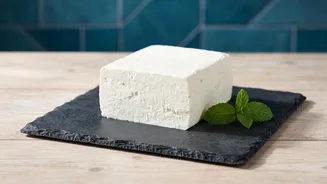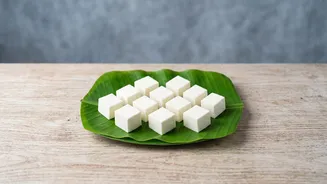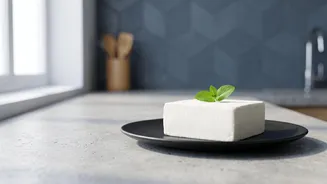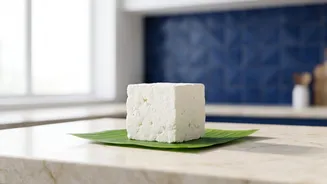






The Heart of the Matter: What is 'Analogue' Paneer?
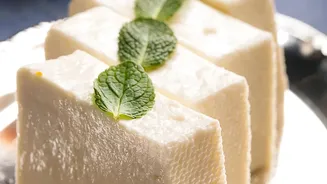
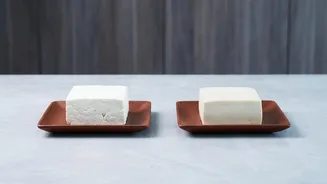
The controversy centres on what is known as 'analogue' or 'synthetic' paneer. Unlike traditional paneer, which is made by curdling fresh milk, analogue versions are created using cheaper substitutes. These products replace natural milk fat and protein
with ingredients like vegetable oils (such as palm oil), starch, and milk powder. The result is a product that looks and feels like paneer but lacks its nutritional value and authenticity. This practice has become widespread, driven by the economic incentive to produce a cheaper alternative to a high-demand product. The issue isn't necessarily that these products exist, but that they are often sold and marketed simply as 'paneer', misleading consumers who believe they are buying a pure dairy product.
FSSAI's Proposed Nationwide Action
In response to growing concerns and actions already taken by several states, the Food Safety and Standards Authority of India (FSSAI) has stepped in with a significant proposal. In late September 2026, the regulator issued a draft amendment to the Food Safety and Standards (Prohibition and Restrictions on Sales) Regulations, 2011. This proposal seeks to prohibit any product not made from milk constituents from using the term 'paneer' on its packaging, marketing, or menus. If finalized, any product currently licensed under the 'Analogue in Dairy Context' category would have to drop the word 'paneer' from its branding entirely. FSSAI has invited feedback from stakeholders for 60 days before making a final decision, signalling a major shift towards national standardisation.
Why This Matters for Your Health and Wallet
The difference between real and analogue paneer goes beyond just truth in labelling. Nutritionally, paneer is a crucial source of protein and calcium for many Indian families, especially vegetarians. Analogue versions, with their lower protein content and use of vegetable fats, do not provide the same benefits. Economically, consumers are often paying a premium for a product they believe is pure dairy, when it is in fact a cheaper substitute. More alarmingly, the adulteration can pose serious health risks. Seizures of 'fake' paneer have revealed the use of harmful substances like detergents, urea, and the preservative formalin, which can lead to digestive issues, liver and kidney damage, and other long-term health problems.
How to Spot the Difference: A Consumer's Guide
While FSSAI's regulations will help at the retail level, consumers can also learn to identify fake paneer. Here are a few simple tests you can perform: Check the texture; real paneer is soft and crumbles easily, while fake paneer often feels rubbery, dense, or unnaturally smooth. Real paneer has a mild, milky aroma; a chemical or sour smell is a red flag. When cooked, authentic paneer will soften without becoming rubbery. You can also perform an iodine test at home by boiling a small piece of paneer, letting it cool, and adding a few drops of iodine. If it turns blue or black, it indicates the presence of starch, a common adulterant.
The Road Ahead for Manufacturers and Restaurants
The proposed regulations will have a significant impact on food businesses. Manufacturers of analogue products will need to rebrand and relabel, ensuring they do not use the term 'paneer'. Restaurants and caterers will also be affected, as the rules would require them to be transparent on their menus if they are using a non-dairy substitute instead of traditional paneer. This move follows actions already taken by at least eight states, including Maharashtra, Karnataka, and Gujarat, which have implemented their own bans or restrictions on analogue paneer. FSSAI's proposal aims to create a clear, unified standard across the country, removing any grey areas and ensuring that when a consumer asks for paneer, that is exactly what they get.